



10 Tips for Buying Construction Equipment?
Buying construction equipment is a major decision, whether you run a small contracting crew or manage a busy jobsite. The right machine can improve daily productivity, while a poor fit may sit unused or strain your budget. Start with the work itself: typical materials, ground conditions, lifting needs, travel distance, and available storage. On a muddy site, traction and clearance may matter more than a polished cab. On a tight urban project, machine width and turning space can shape the choice.
Purchase price is only one part of ownership cost. Fuel use, routine servicing, wear parts, transport, insurance, and likely resale value all deserve attention. Check the machine’s capacity against real tasks, not just the best-case figures in a brochure. Small details count. Controls should feel intuitive, visibility should suit the work area, and attachments should fit both the machine and your regular jobs. For used equipment, review service records and inspect key components with a qualified technician when possible. Ask the dealer about parts availability, service response, warranty terms, and operator training. Get important details in writing.
No checklist removes every uncertainty. A machine that looks economical today may become costly if it is poorly matched to your workload. These ten tips offer a practical framework for comparing options, asking sharper questions, and spotting trade-offs before committing. Revisit your assumptions, too; project schedules and crew needs can change. A careful purchase is not always the cheapest one, but it should make sense for the work you actually expect to do.
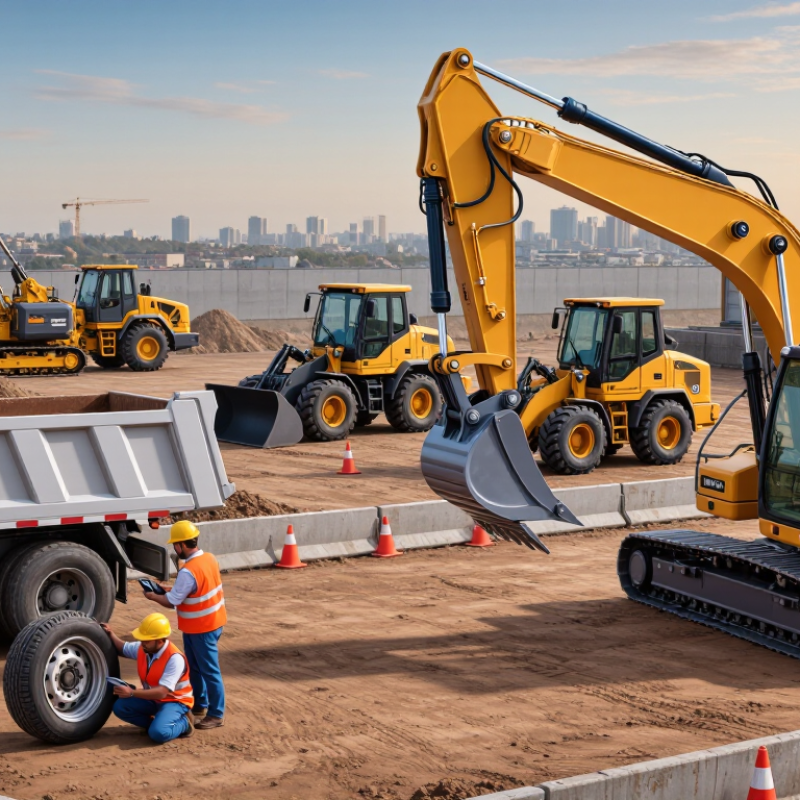
Define Project Requirements and Equipment Specifications
Before comparing machines, write down what the job actually demands. Measure trench depth, haul distance, gate width, ground slope, and working hours. A compact excavator may fit through a narrow entrance yet struggle with repeated deep cuts. Include material type and expected daily volume; wet clay and loose gravel behave very differently. Keep a simple site sketch. It can reveal turning-space problems that a spreadsheet misses.
Translate those details into specifications: operating weight, digging depth, bucket capacity, reach, travel speed, and lift capacity. Check lift charts at the actual working radius, not just the maximum figure in a brochure. Note transport limits, attachment needs, fuel access, and service intervals. Small details matter. A machine that meets the headline numbers may still be awkward beside a wall or beneath a low structure. It is easy to focus on digging depth and overlook how often the machine must move between work areas. Avoid that mistake. Ask the operator to review the figures against real tasks, then allow some capacity for changing conditions. Extra weight can damage soft ground and complicate delivery. Record uncertainties, such as how soil strength may change after rain, and check them before buying.
10 Tips for Buying Construction Equipment? - Define Project Requirements and Equipment Specifications
| Tip | Project Requirement | Equipment Specifications to Define | What to Verify Before Buying |
|---|---|---|---|
| 1 | List the work the machine must perform | Identify tasks such as excavation, lifting, grading, compaction, or material transport, and estimate how often each task will occur. | Match the machine and attachments to the actual work. One machine may perform several tasks, but attachments and changeover time can affect productivity. |
| 2 | Estimate the required capacity | Determine the expected load, bucket or tool capacity, lift height, reach, or hourly output needed for the project. | Compare requirements with the manufacturer’s rated specifications and load charts. Rated capacity can vary with configuration, reach, ground conditions, and attachment. |
| 3 | Measure site access and working space | Record gate width, route restrictions, overhead clearance, turning space, working radius, and the dimensions of the work area. | Check the machine’s transport and operating dimensions, including attachments. Confirm that delivery vehicles can reach the site safely. |
| 4 | Assess ground and terrain conditions | Describe slopes, soil type, soft or wet areas, uneven surfaces, and any limits on ground pressure or surface damage. | Review operating weight, tire or track configuration, ground clearance, and relevant ground-pressure information. Ask a qualified site professional to assess uncertain ground conditions. |
| 5 | Set the work cycle and utilization target | Estimate operating hours per day, days per week, project duration, idle periods, and expected peak workload. | Use realistic utilization estimates when comparing machine size and ownership costs. Avoid selecting capacity solely for occasional peak demand without considering alternatives. |
| 6 | Confirm power and operating needs | Define required power, travel speed, hydraulic flow and pressure for attachments, fuel or energy access, and expected duty cycle. | Check that the machine’s available hydraulic and power specifications are compatible with the tools and operating conditions specified for the job. |
| 7 | Plan transport between sites | Establish the machine’s transport weight and dimensions, permitted route limits, loading method, and frequency of relocation. | Verify applicable road, permit, and load-securing requirements with the relevant authorities or a qualified transport provider before moving equipment. |
| 8 | Account for environmental and site limits | Identify noise restrictions, emissions rules, indoor or enclosed work, dust controls, and any local operating-hour limits. | Confirm that the proposed machine configuration complies with current site rules and applicable local regulations. Requirements differ by location and project. |
| 9 | Define operator and safety requirements | Specify operator visibility, cab or canopy needs, access and egress, protective features, and any required operator qualifications. | Review the equipment’s operating and safety documentation, confirm that guards and safety devices suit the task, and arrange training where required. |
| 10 | Set maintenance and support expectations | Estimate daily and scheduled service needs, expected operating hours, parts availability, service access, and acceptable downtime. | Review the maintenance schedule and warranty terms, inspect service records for used equipment, and confirm that routine checks can be completed safely. |
Related Posts
-
2026 Best Heavy Construction Equipment for Efficient Project Management?
-
China Top Plant Machinery Suppliers for Global Buyers
-
Top Heavy Construction Equipment to Boost Your Global Business?
-
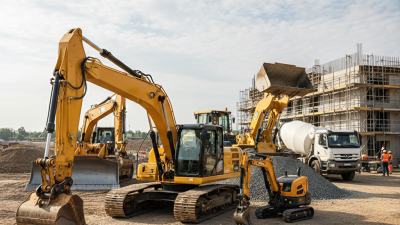
Top 10 Best Construction Machines for Every Project?
-

Why Heavy Construction Equipment Is Essential for Modern Infrastructure?
-
Heavy Construction Equipment Tips for Global Buyers?