

...

2026 Top Helium Expander Suppliers for Global Buyers

Choosing a Helium Expander supplier in 2026 calls for more than comparing headline efficiency or brochure claims. Buyers need equipment matched to their actual process, including gas composition, inlet pressure, flow range, target temperature, and operating cycles. A small mismatch can affect performance across an entire refrigeration or liquefaction system. Details matter.

This guide introduces suppliers for global buyers and the practical questions that help distinguish a suitable partner from a promising name. Compare stated capacity and efficiency under equivalent operating conditions, then examine bearing design, seals, control systems, vibration monitoring, and maintenance access. Ask for clear technical documentation, relevant project references, commissioning support, and realistic spare-parts lead times. A polished specification sheet is useful, but it cannot show how promptly a service team responds when a system stops at an inconvenient hour.

International purchasing adds another layer. Confirm who handles installation guidance, operator training, remote troubleshooting, and local service coordination in your region. Check whether the supplier can explain performance limits plainly, rather than treating every application as standard. Fit comes first.

Supplier capabilities and published data may change, and test conditions are not always directly comparable. That makes independent verification important: request operating-point data and clarify assumptions before making a shortlist. This overview is a starting point, not a universal ranking. Even experienced buyers can miss a practical constraint; reviewing the full system with qualified engineers can help expose it before procurement begins.
2026 Top Helium Expander Suppliers for Global Buyers

What Is a Helium Expander and How Does It Work?

What Is a Helium Expander and How Does It Work?

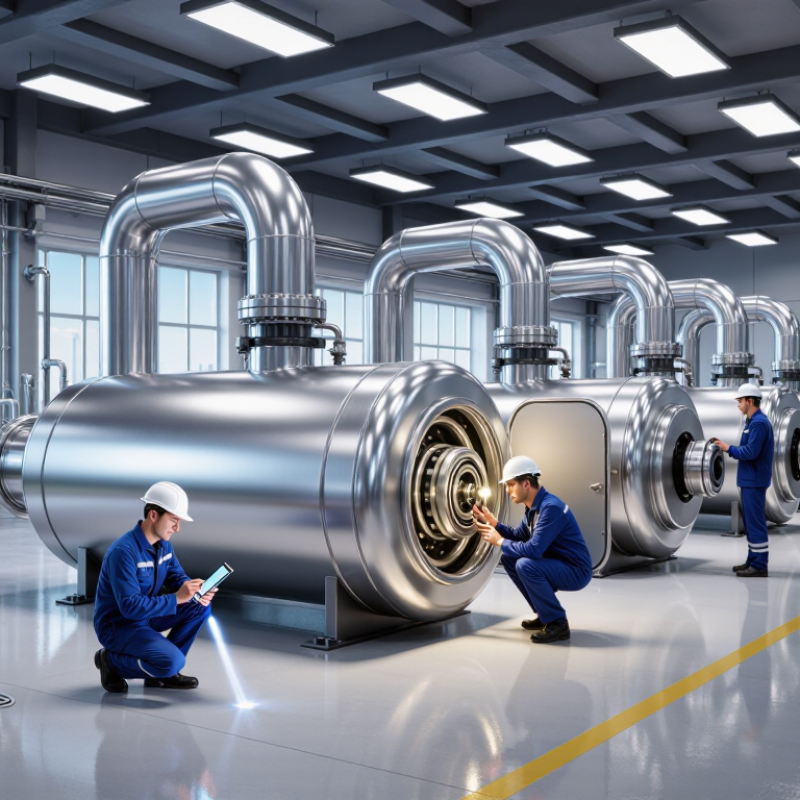
A helium expander is a machine that cools helium by allowing pressurized gas to expand through a turbine or piston. In a turbine expander, flowing helium spins a wheel and transfers some of its energy to a shaft. The gas leaves at a lower temperature. Very cold helium can then absorb heat in a heat exchanger, helping cool more incoming gas. This process supports cryogenic refrigeration and helium liquefaction systems. Think of a small metal turbine spinning inside insulated equipment, with carefully controlled gas flow. The exact cooling performance depends on pressure, temperature, flow rate, and system design.

Tips: Check operating limits, helium purity requirements, and expected maintenance intervals before selecting equipment. Ask suppliers for performance data at your actual operating conditions. Small differences matter.

Real systems are less tidy than diagrams. Heat leaks, vibration, and changing process loads can affect performance. Operators should monitor temperatures, pressures, and shaft behavior against the equipment’s specifications. Bearing design and control systems also influence reliability, but neither can compensate for poor installation or unsuitable operating conditions. A clear service plan helps prevent avoidable downtime. It is worth noting that published efficiency figures may use different test conditions, so comparisons need care.

Where Helium Expanders Are Used Across Industry

2026 Top Helium Expander Suppliers for Global Buyers
Where Helium Expanders Are Used Across Industry

Helium expanders sit inside cryogenic systems, where they help produce the very low temperatures helium requires. Their most visible role is supporting superconducting magnets in MRI and NMR equipment. They also serve research facilities, particle-physics installations, and helium liquefaction plants. In these settings, a turbine wheel expands cold, pressurized gas and extracts energy, helping the refrigeration cycle reach lower temperatures. Small design details matter. A vibration that seems minor can affect stable operation over time.

Industrial use extends to aerospace and materials testing, where equipment must reproduce cold conditions reliably. Semiconductor and specialist manufacturing sites may also use helium refrigeration for processes requiring controlled cryogenic environments. System needs vary: some installations prioritize continuous duty, while others need compact equipment or straightforward maintenance access. Buyers should compare operating temperature, flow rate, pressure range, bearing design, instrumentation, and service support. Supplier claims are useful, but operating data and references from similar applications are more convincing. Actual performance depends on the whole refrigeration system, not the expander alone.

Tips: Ask for performance maps across your expected load range, not just a single rated point. Confirm vibration limits, inspection intervals, and spare-part lead times before purchase. Keep room for uncertainty; site conditions can differ from test-bench results.

2026 Top Helium Expander Suppliers for Global Buyers - Where Helium Expanders Are Used Across Industry

Industry or Facility Typical Application Helium Expander’s Role System Context Key Specification Considerations
Helium liquefaction plants Production of liquid helium for research, healthcare, and industrial users Expands high-pressure helium and provides refrigeration as part of a cryogenic liquefaction cycle Integrated with compressors, heat exchangers, purification equipment, and liquefaction stages Required refrigeration duty, inlet conditions, flow range, turndown, efficiency, and compatibility with the plant cycle
Superconducting magnet facilities Cooling superconducting magnets used in research and other specialized systems Supports the helium refrigerator or liquefier that removes heat from the cryogenic system May serve a closed-cycle helium refrigeration system; the expander is one component of the overall cold-producing plant Cooling load, operating continuity, temperature stability, system redundancy, and integration with the cold box
MRI and NMR infrastructure Helium refrigeration and liquefaction systems associated with superconducting medical or analytical magnets Provides expansion refrigeration in equipment designed to cool or reliquefy helium Application depends on the magnet and cryogenic-system design; not every installation uses an on-site helium expander Available installation space, service access, noise and vibration limits, operating schedule, and compatibility with the existing system
Particle accelerators and research laboratories Large-scale cryogenic cooling for superconducting cavities, magnets, and related equipment Contributes refrigeration within helium refrigerators or liquefiers serving the cryogenic distribution system Often part of a multi-component plant connected to a distributed helium cooling network Heat-load profile, variable operating conditions, availability targets, controls integration, and maintainability
Space simulation and aerospace testing Cryogenic cooling for test equipment, components, or specialized thermal-vacuum facilities Can provide refrigeration in a helium cryogenic plant when the facility design calls for helium-cycle cooling Selected according to the required temperature, cooling load, test duration, and facility configuration Transient load response, operating envelope, cleanliness requirements, instrumentation, and commissioning support
Industrial gas and cryogenic process plants Helium recovery, purification, cooling, or liquefaction processes Recovers useful refrigeration through expansion in a process-specific helium cycle Usually integrated with upstream gas handling and downstream recovery or storage equipment Helium purity, pressure ratio, flow capacity, process conditions, materials, and protection against contamination
Semiconductor and advanced-materials facilities Specialized low-temperature processes or research systems that use helium refrigeration Supplies expansion refrigeration where helium-cycle cooling is specified by the process design Use is application-specific; many facilities rely on other cooling technologies for routine process cooling Required temperature range, cooling capacity, facility utilities, cleanliness, controls, and service response

Application and operating requirements vary by plant design. A helium expander is typically selected as part of a complete cryogenic cycle; confirm duty, inlet conditions, flow range, controls, and service requirements with the system designer.

What Capabilities Define a Leading Helium Expander Supplier?

A leading helium expander supplier understands the full operating envelope, not just the turbine wheel. Helium systems demand careful control of temperature, pressure, flow, and rotor speed. Ask how the supplier models start-up, turndown, and off-design conditions. These details matter. A unit may perform well at its design point yet struggle when plant loads change.

Strong engineering shows up in practical choices. The supplier should explain bearing design, sealing, materials, vibration monitoring, and control logic in clear terms. Request test records, inspection procedures, and traceable manufacturing documentation. Good data beats confident promises. Check whether the expander can integrate with the existing cold box, instrumentation, and maintenance plan. Commissioning support matters, too; small control mismatches can delay stable operation.

Service capability is another defining measure. Look for technicians who can interpret operating trends, investigate abnormal vibration, and recommend maintenance based on evidence. Spare-parts availability and realistic response times deserve direct questions. No design removes every trade-off. A compact machine may simplify installation but make access harder. Suppliers should admit such limitations rather than present every choice as ideal. Clear answers, documented performance, and support after delivery help buyers judge fit—not just price.

How to Compare Helium Expander Suppliers in 2026

How to Compare Helium Expander Suppliers in 2026

Compare suppliers against your actual operating envelope, not headline capacity. Request performance maps showing flow, inlet pressure, temperature, and efficiency across expected loads. Ask how each design handles start-up, turndown, vibration, and unplanned trips. USGS Mineral Commodity Summaries 2025 estimated global helium production at about 190 million cubic meters in 2024. That supply figure is not a measure of expander quality, but it highlights why buyers should check a supplier’s commissioning capacity and spare-parts plan. A polished brochure proves little.

Check evidence. Request anonymized references from plants with similar duty, plus factory-test procedures and acceptance limits. Compare bearing and seal arrangements, inspection intervals, warranty exclusions, and response times. Ask for measured performance at your specified conditions, not only a model result. Small print matters. A supplier may offer strong efficiency yet leave the buyer exposed to long service delays. That trade-off deserves a candid review.

Tips: Send every bidder the same process data sheet. Include helium flow, pressure, temperature, required capacity, and site conditions. Ask each to state assumptions and guaranteed values in writing. Compare lifecycle costs, not just purchase prices. Verify who will perform commissioning and how quickly critical parts can reach your site. If data are missing, pause before ranking offers.

What Should Global Buyers Consider Before Purchasing?

Before selecting a helium expander supplier, define the actual duty point. Share inlet pressure, temperature, flow range, expected outlet conditions, and operating hours. A machine sized only for peak capacity may perform poorly during routine operation. Ask for performance curves covering your full operating range, not just one attractive data point. Check the proposed materials, seals, bearings, and lubrication approach against your process conditions. Small details matter.

Tips: Request a clear test plan and sample acceptance report. Confirm what measurements will be recorded, such as vibration, temperature, and flow. Ask who handles commissioning and how quickly critical spare parts can be shipped. Get answers in writing.

Compare suppliers on more than purchase price. Review their experience with similar helium service, technical documentation, quality controls, and references you can verify. Clarify warranty limits, maintenance intervals, and the availability of remote troubleshooting across time zones. For international delivery, confirm packaging, transport requirements, and realistic lead times. One point is easy to miss: site utilities and piping can affect performance, too. Have the supplier review these interfaces before finalizing the specification. If your operating data is incomplete, say so; a cautious sizing discussion is better than false precision.

Helium Expander Buying Context: Key Helium-4 Reference Temperatures

Use these physical reference points to frame discussions about an expander’s operating envelope. They are helium-4 properties, not supplier performance ratings.

Reference values: lambda transition at approximately 2.177 K, normal boiling point at approximately 4.222 K (at 1 atm), and critical temperature at approximately 5.195 K. When comparing suppliers, also verify the specified inlet and outlet conditions, capacity, efficiency, materials, controls, service support, and documented test conditions. Sources: NIST Chemistry WebBook and NIST reference data for helium.