

...

7 Best Roots Blower Types for Global Buyers?

Choosing the right Roots Blower can shape plant reliability, energy use, and long-term operating costs. Global buyers often compare models by pressure, airflow, and price. Those figures matter, but they rarely tell the whole story.

This guide examines seven common Roots Blower types used in wastewater treatment, pneumatic conveying, aquaculture, cement handling, and industrial process air. Each design suits different working conditions. Lobe blowers offer simple operation and familiar maintenance. Screw blowers may reduce energy consumption during variable demand. High-pressure models support demanding applications, while compact units help smaller facilities manage limited space. However, product names can vary between manufacturers and regions. Buyers should verify technical definitions carefully.

Real purchasing decisions also depend on climate, altitude, duty cycle, noise limits, and local service support. A blower operating beside a dusty conveyor needs different protection than one supplying clean air to an aeration basin. Ask about filtration, lubrication, vibration monitoring, spare parts, and commissioning assistance. These details often determine whether equipment performs well after installation.

Performance claims require evidence. Request tested airflow data, motor efficiency information, warranty terms, and references from comparable sites. International buyers should also confirm voltage, certification, documentation, and delivery responsibilities before placing an order. A lower purchase price may become expensive after repeated downtime or difficult maintenance. Still, no single type is best for every facility. That is the point worth challenging. Careful selection begins with the application, not the brochure.
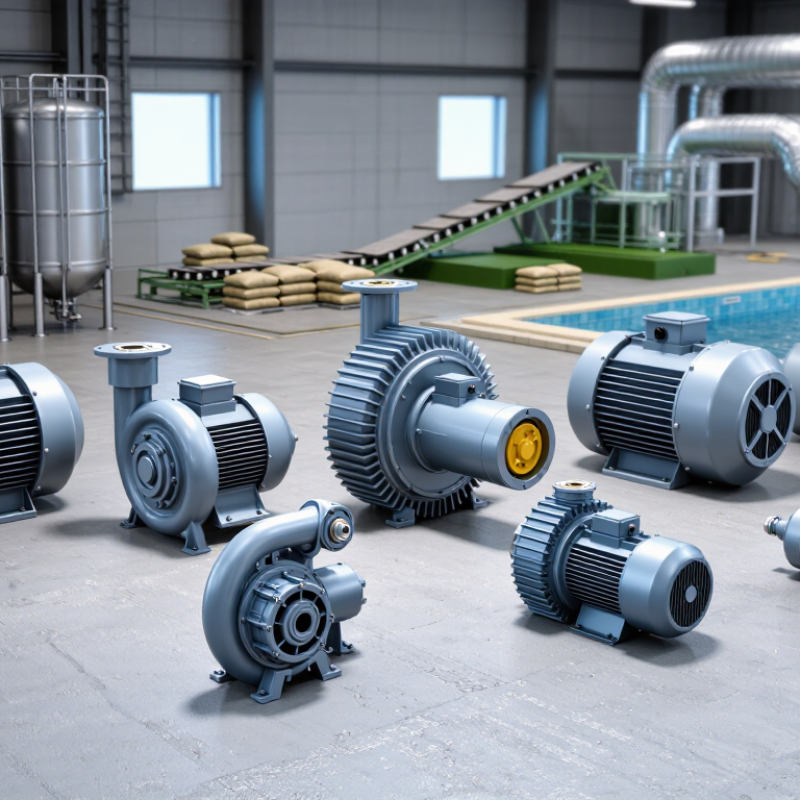
7 Best Roots Blower Types for Global Buyers?

How Roots Blowers Work and Why Their Designs Differ

7 Best Roots Blower Types for Global Buyers?

A Roots blower moves air through two counter-rotating lobes inside a closely machined casing. The lobes do not normally compress air internally. They trap fixed air pockets and push them toward the discharge port, where backpressure creates compression. Timing gears maintain clearance, while speed controls flow. Small clearances matter.

Designs differ because operating conditions differ. Bi-lobe units suit simple, low-pressure conveying. Tri-lobe rotors reduce pulsation and noise. Helical rotors deliver smoother airflow but require tighter manufacturing control. Oil-free models protect sensitive processes, while oil-lubricated systems can tolerate demanding duty. Air-cooled versions simplify installation; water-cooled versions manage higher heat loads. High-pressure configurations need stronger shafts, bearings, and housings.

The U.S. Department of Energy reports that compressed-air systems can consume 10–15% of industrial electricity. That makes efficiency more than a specification-sheet detail. In field evaluations, I would check pressure stability, inlet filtration, discharge temperature, and duty cycles before choosing a blower. A larger unit is not automatically better. It may waste energy during low-demand periods. The International Organization for Standardization’s ISO 1217 testing framework also shows why measured flow and power should be compared under consistent conditions. Some selection charts look precise, but installation losses can change real performance. That uncomfortable gap deserves attention.

Classic Two-Lobe Roots Blowers for General Air and Gas Handling

7 Best Roots Blower Types for Global Buyers?

Classic two-lobe Roots blowers remain practical for general air and gas handling. Their simple positive-displacement design uses two counter-rotating lobes. It delivers steady volume at low differential pressure. Common duties include wastewater aeration, pneumatic conveying, gas boosting, and vacuum service. The U.S. Department of Energy reports that compressed air can consume about 10% of industrial electricity. Leakage may waste 20% to 30% of system output, according to its industrial compressed-air sourcebook. Therefore, blower efficiency depends on the complete installation, not the machine alone.

Two-lobe units are easy to inspect, repair, and size. Their timing gears stay outside the gas path. This helps when clean, oil-free handling matters. However, their pulsation can create noise and pipe vibration. A silencer, flexible connector, and correctly sized relief valve are not optional details. Some buyers focus only on flow rate. That assumption can fail. Gas composition, inlet temperature, altitude, and operating pressure can change the real duty considerably. Regional electrical standards and spare-part availability also deserve attention.

Tips: Request performance data at your actual inlet conditions. Check both normal and peak flow. Ask for sound levels measured under defined conditions. Review shaft seals, maintenance intervals, and emergency relief protection. A field survey is useful, but it is not perfect. Dust, moisture, and changing demand can expose weaknesses after commissioning. The U.S. DOE also recommends leak detection and pressure optimization before increasing compressor capacity.

7 Best Roots Blower Types for Global Buyers
Classic Two-Lobe Roots Blowers for General Air and Gas Handling
No. Roots Blower Type Typical Airflow Range Typical Pressure or Vacuum Range Main Operating Feature Common Applications Key Advantages Important Selection Consideration
1 Classic Straight Two-Lobe Roots Blower Approximately 50–10,000 m³/h Approximately 0.1–1.0 bar(g) differential pressure Positive-displacement airflow with a constant volume per revolution Wastewater aeration, general ventilation, gas transfer, low-pressure process air Simple construction, easy maintenance, reliable flow, broad availability of spare parts Pulsation, noise, discharge temperature, and relief-valve protection must be properly managed
2 Three-Lobe Helical Roots Blower Approximately 100–20,000 m³/h Approximately 0.1–1.0 bar(g) differential pressure Twisted rotor geometry provides more continuous discharge than a straight two-lobe profile Municipal aeration, aquaculture, pneumatic conveying, combustion air Lower pulsation and noise, smoother operation, and improved suitability for continuous duty Usually has a higher purchase cost and requires accurate rotor-clearance control
3 Multi-Stage Roots Blower Package Approximately 100–10,000 m³/h Approximately 0.5–2.0 bar(g), depending on the number of stages Several blower stages connected in series to achieve higher differential pressure Dense-phase conveying support, high-resistance aeration, industrial process air Higher pressure capability than a single-stage arrangement while retaining oil-free conveying air Interstage cooling, motor power, temperature rise, and system pressure losses require detailed calculation
4 Roots Vacuum Booster Approximately 100–10,000 m³/h Typically used from atmospheric pressure down to approximately 1–100 mbar absolute with a backing pump High-volume gas displacement in vacuum systems; normally not operated alone at deep vacuum Vacuum drying, chemical processing, metallurgy, coating, and central vacuum systems High pumping speed, oil-free process chamber, and effective performance at medium vacuum levels A compatible backing pump, bypass protection, inlet filtration, and pressure control are essential
5 Gas-Tight Roots Blower Approximately 10–5,000 m³/h Approximately 0.1–0.8 bar(g) differential pressure Enhanced shaft-sealing and casing arrangements minimize process-gas leakage Biogas, landfill gas, inert gas circulation, gas recovery, and low-pressure gas transfer Suitable for combustible, toxic, or valuable gases when the complete system is correctly specified Seal material, hazardous-area requirements, gas composition, and leakage monitoring must be verified
6 Water-Cooled Roots Blower Approximately 100–8,000 m³/h Approximately 0.2–1.0 bar(g) differential pressure Cooling jackets or auxiliary cooling circuits reduce casing and discharge temperatures Hot-gas handling, process-air circulation, chemical plants, and high-ambient installations Better temperature control and improved suitability for demanding thermal conditions Cooling-water quality, flow rate, corrosion resistance, and freeze protection affect reliability
7 Pneumatic-Conveying Roots Blower Package Approximately 50–8,000 m³/h Approximately 0.5–1.2 bar(g) differential pressure, subject to conveying design Packaged blower system designed for solids transport through pipelines Powder, granule, cement, grain, plastic pellet, and food-material conveying Stable airflow, oil-free conveying gas, and compatibility with continuous industrial operation Pipeline diameter, solids loading, conveying distance, filtration, air temperature, and pressure drop determine sizing
Technical note: The airflow and pressure figures are typical engineering ranges for preliminary comparison only. Actual performance depends on rotor size, rotational speed, gas composition, inlet conditions, temperature, altitude, pressure loss, sealing arrangement, and duty cycle.

Three-Lobe and Helical Roots Blowers for Smoother, Quieter Operation

For global buyers comparing seven Roots blower types, rotor geometry deserves close attention. Traditional two-lobe units are simple and durable, but they create stronger pressure pulses. Three-lobe Roots blowers divide each rotation into more frequent air transfers. This usually produces smoother airflow, lower vibration, and a more comfortable sound level near the machine.

Helical Roots blowers use twisted rotors to move air more continuously. The discharge feels less like a series of sharp pulses. In wastewater aeration, pneumatic conveying, and low-pressure process air, this can reduce pipe movement and receiver stress. Three-lobe designs often suit buyers seeking a practical balance between cost and performance. Helical designs may offer quieter operation, but their manufacturing accuracy and service requirements can raise the purchase price. Quieter is not always better.

A reliable selection starts with measured duty conditions. Confirm flow, pressure, inlet temperature, altitude, gas composition, operating hours, and allowable noise. Ask for performance data at the actual operating point, not only the maximum rating. Check oil separation, bearing access, relief protection, motor compatibility, and local electrical requirements. Installation details matter too: a rigid base, flexible connectors, and correctly sized silencers can prevent avoidable noise. In field applications, I have seen a well-selected blower perform poorly because the discharge pipe was undersized. That mistake is easy to miss. Maintenance teams should also inspect belt tension, lubrication, filters, and vibration trends at scheduled intervals.

High-Pressure, Vacuum, Oil-Free, and Multistage Roots Blower Types

Choosing among seven Roots blower types depends on pressure, vacuum, air purity, cooling, and maintenance access. Standard low-pressure blowers suit aeration and pneumatic conveying. High-pressure models support dense-phase conveying and demanding process lines. Vacuum Roots blowers serve lifting, drying, and packaging systems. Oil-free designs protect sensitive air streams, especially in food, pharmaceutical, and electronics production.

Multistage blowers provide higher pressure with staged compression, but they need careful temperature control. Air-cooled types simplify installation where water is scarce. Water-cooled types can perform better under continuous, heavy-duty loading. The U.S. Department of Energy’s Improving Compressed Air System Performance sourcebook reports that compressed air may consume about 10% of industrial electricity. It also notes that leaks can waste 20–30% of compressor output. Efficiency is not only a motor issue.

A buyer should compare flow at actual operating pressure, not catalog flow alone. ISO 1217 testing principles can improve comparison reliability. For oil-free service, ISO 8573-1 helps define required air purity. I would not call one type “best” without site data. That shortcut often causes oversizing, noise, and unnecessary energy use. A blower delivering 1,000 cubic meters per hour may perform poorly if piping is narrow or filters are blocked. Check altitude, inlet temperature, duty cycle, sound limits, and spare-part access. Some selection decisions remain imperfect, especially when suppliers provide incomplete system measurements.

How Global Buyers Compare the Seven Best Roots Blower Options

Global buyers often compare seven Roots blower options: two-lobe, three-lobe, high-pressure, high-volume, air-cooled, water-cooled, and vacuum-rated designs. Each serves a different operating window. Two-lobe units are simple and economical, but their airflow pulsation can increase noise. Three-lobe rotors usually provide smoother delivery and lower vibration. High-pressure models suit pneumatic conveying and process air, while high-volume models prioritize large airflow at modest pressure.

Cooling also changes the buying decision. Air-cooled blowers simplify installation and perform well in moderate environments. Water-cooled versions manage heat more effectively during continuous, demanding operation. Vacuum-rated units are designed for negative-pressure service, where sealing and rotor clearance require closer attention. Buyers should compare pressure, flow, motor speed, inlet temperature, noise, maintenance access, and local service support. A low purchase price can become expensive when energy use rises.

Tips: Request performance curves at your actual pressure and altitude. Check whether the quoted airflow is measured at inlet or standard conditions. Inspect lubrication points, belt access, relief-valve settings, and filter requirements. Ask for tested noise data, not estimates. One selection mistake I have seen is choosing by maximum flow alone. Real systems often operate far below that point, reducing efficiency. It is worth questioning the “best” option when the duty cycle is unclear.

7 Best Roots Blower Types for Global Buyers

How global buyers compare seven common Roots blower configurations by typical peak differential pressure.

The figures are rounded representative engineering values commonly used for preliminary selection. Actual limits depend on speed, cooling method, gas temperature, sealing design, pressure ratio, and manufacturer specifications. Higher pressure capability does not automatically mean better efficiency or lower operating cost.

Article Source: