Buying surplus machinery from China can reduce capital costs, but price alone should never drive the decision. Global buyers need clear equipment records, realistic condition reports, and suppliers who communicate accurately. This guide examines China’s leading surplus machinery suppliers through practical purchasing factors, including product quality, inspection support, export experience, and after-sales reliability.
Reliable suppliers usually provide detailed photographs, serial numbers, production dates, maintenance histories, and operating videos. A serious buyer may inspect a used CNC machine, packaging line, generator, or construction unit before shipment. Oil leaks, worn bearings, missing manuals, and outdated control systems can change the total cost quickly. Small details matter.
Verification takes patience. It is not perfect.
Some suppliers have strong factories but limited English support. Others respond quickly but provide incomplete technical documents. That difference can affect installation, customs preparation, and future maintenance. Buyers should request independent inspections, confirm specifications in writing, and review payment and delivery terms carefully. Export compliance, safe packaging, and accurate product declarations also deserve attention. The best surplus machinery partner is not always the cheapest supplier. It is the company that offers traceable information, practical technical guidance, and dependable communication when problems appear. Mistakes can still happen, even with experienced teams. A careful process simply makes them less costly and easier to manage.
In China’s industrial equipment market, surplus machinery usually means usable equipment sold outside its original project plan. It may come from overproduction, canceled orders, factory relocation, demonstration lines, or idle capacity. Some machines are nearly new. Others have worked for years. The label alone proves little. Buyers should ask why the asset became surplus, not only how much it costs. This question can reveal storage damage, missing accessories, or changed production demand.
Reliable suppliers provide serial records, manufacturing dates, operating hours, maintenance history, and clear photographs. They should explain whether the machine was refurbished, tested, or sold as-is. A serious inspection includes power-up checks, noise review, safety guards, hydraulic leaks, electrical cabinets, and output accuracy. For large equipment, request a live video test or appoint an independent inspector in China. Keep the report. Small details matter. A clean exterior can hide worn seals or obsolete control parts. Buyers often focus on purchase price and underestimate removal, packing, inland transport, installation, and spare-part costs.
Surplus machinery can reduce lead time and capital spending, but it demands disciplined verification. Confirm voltage, safety standards, manuals, software access, and export documentation before payment. Check whether local technicians can maintain the system after arrival. A low-cost machine may become expensive when one unavailable component stops production. Supplier communication also matters. Vague answers are a warning. Even experienced buyers make mistakes when urgency replaces inspection. Leave room for uncertainty, and record every agreed condition in the contract.
China Best Surplus Machinery Suppliers for Global Buyers
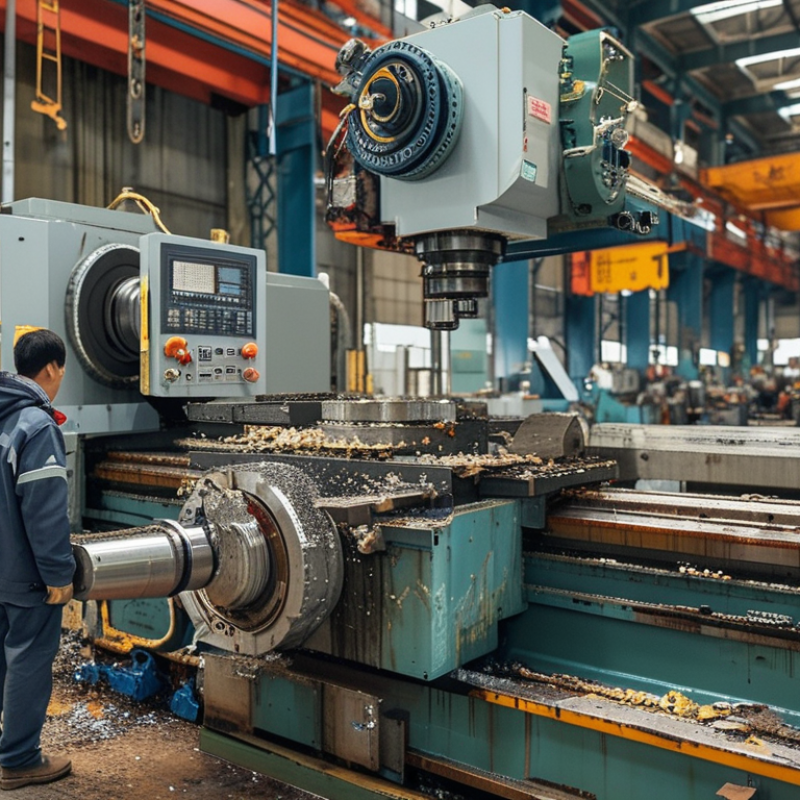
Chinese suppliers offer surplus machinery across several industrial categories. Metalworking equipment often includes CNC lathes, milling machines, hydraulic presses, cutting systems, and conventional drills. Many units come from canceled projects, factory upgrades, or excess inventory. Some are unused. Others have visible operating history.
Plastic processing machinery is also common. Buyers may find injection molding machines, extrusion lines, mixers, and cooling systems. Packaging equipment includes filling machines, labeling units, sealing machines, and carton forming equipment. Construction and agricultural machinery can include compact loaders, generators, compressors, and processing units. Each category requires different inspection standards.
Condition matters more than appearance.
A clean control panel does not prove accurate machining. Ask for test videos, production samples, maintenance records, electrical specifications, and a detailed condition report. Check spindle noise, hydraulic pressure, motor temperature, and software compatibility. Small details matter.
Surplus machinery can reduce capital costs, but low prices may hide missing parts or outdated controls. This is where sourcing becomes less comfortable. A supplier may describe equipment as “ready to run,” while installation still requires skilled technicians. Independent inspection is useful, especially for large equipment. Confirm voltage, frequency, dimensions, spare parts, manuals, and export packaging before payment. My own checklist would never replace a physical inspection. There is always some uncertainty. Reliable suppliers acknowledge it instead of promising perfection.
Global buyers should evaluate Chinese surplus machinery suppliers through evidence, not attractive prices alone. A dependable supplier provides clear company details, export experience, equipment history, and responsive technical communication. Ask for the machine’s model, production year, serial plate, dimensions, weight, and power requirements. These details expose gaps quickly.
Request recent videos showing the machine starting, running, and stopping under normal conditions. Check unusual noise, oil leakage, rust near bearings, damaged cables, and unstable vibration. Service records are useful, but they should match the machine’s visible condition. An independent inspection can verify performance before shipment. Confirm voltage, safety features, documentation, packaging, and destination-country compliance. Do not rely on translated promises alone. Technical drawings and test records matter more.
Tips: Compare at least three suppliers. Ask for itemized quotations. Use secure payment terms. Require photos with visible dates. Keep every specification in writing. A practical lesson is simple: “fully tested” can mean different things to different sellers. Clarify the test duration and operating load. Perfect information is rarely available. That is not a reason to rush. Suppliers who accept detailed questions usually show stronger process control, though this is not proof by itself. Check references carefully, and reconsider any seller who avoids serial numbers, inspection access, or realistic delivery details.
Buying surplus machinery requires more than comparing prices. Experienced buyers inspect the machine, its history, and the supplier’s records. Request serial details, service logs, operating hours, and clear photos of critical parts. Ask for a live video test under normal load. Watch for unusual vibration, oil leaks, unstable controls, or excessive noise. A clean exterior can hide neglected maintenance. I learned this after trusting polished photographs once. That mistake was expensive.
During an inspection, check the frame, wiring, hydraulic lines, safety guards, and emergency controls. Measure wear where possible, rather than relying on visual judgment. Confirm voltage, dimensions, weight, and included accessories before signing a purchase agreement. A local technician can provide an independent report. The report should list defects, estimated repair costs, and remaining service value. Payment terms should connect with inspection milestones. Keep every document, including invoices, test records, packing details, and export classification. Requirements differ by destination, so verify customs, safety, and environmental rules with qualified authorities.
Tips: Use a checklist and photograph each finding. Compare the machine’s stated capacity with a real test result. Leave room in the budget for repairs, inland transport, insurance, and port handling. Do not rush because a seller claims another buyer is waiting. I sometimes underestimate loading delays. Plan extra time. Before shipment, use suitable packaging, moisture protection, and clearly marked lifting points. Confirm the buyer’s import permissions and arrange professional freight support. A careful process costs more at the start, but it reduces unpleasant surprises.
The chart compares the 2023 overall Logistics Performance Index scores of selected major machinery-trading economies. A higher score indicates stronger logistics conditions for activities such as supplier verification, inland transport, customs coordination, shipment tracking, and delivery planning. Buyers should combine this country-level reference with equipment inspections, maintenance records, export documentation, and container or break-bulk planning.
Source: World Bank, Logistics Performance Index 2023. Scores range from 1.0 to 5.0.
Buying surplus machinery from China can reduce capital costs, but condition risk remains significant. A polished video proves little. Ask for serial numbers, operating hours, maintenance records, and recent load-test footage. Inspect electrical standards, control-system compatibility, corrosion, and missing safety guards. Test it under load. The World Bank’s Logistics Performance Index 2023 compares reliability, customs, tracking, and timeliness across 139 economies, showing why transport visibility matters for international buyers.
Documentation should match the machine exactly. Request a commercial invoice, packing list, bill of lading, certificate of origin, export declaration, and correct HS classification. Include voltage, dimensions, net weight, gross weight, and crating details. Inaccurate data can create customs delays, unexpected duties, or storage charges. UNCTAD’s Review of Maritime Transport 2023 reports that over 80% of global merchandise trade by volume moves by sea. Small paperwork errors can therefore travel a long way. Paperwork matters.
After-sales support must be written into the purchase agreement. Define warranty duration, excluded wear parts, remote troubleshooting response times, spare-parts availability, and technician costs. Request wiring diagrams, software backups, operating manuals, and installation training. A low price is not always a saving. One overlooked controller may cost more than the original discount. Buyers should also confirm whether replacement parts remain commercially available. That assumption fails surprisingly often. A short acceptance test before final payment can expose vibration, overheating, unstable output, or unsafe operation.
| Evaluation Dimension | Typical Surplus-Machinery Situation | Risk Level | Documents or Evidence to Request | Verification Method for Global Buyers | After-Sales Support to Confirm | Recommended Buyer Action |
|---|---|---|---|---|---|---|
| Machine Identity and Specification | Used or surplus equipment may be listed with incomplete model numbers, altered configurations, or outdated technical specifications. | High | Manufacturer plate photographs, serial number, original specification sheet, equipment drawings, and configuration list. | Match the nameplate, serial number, photographs, control system, dimensions, voltage, frequency, and rated capacity against the quotation. | Written confirmation of the exact supplied configuration and replacement-part compatibility. | Make the serial number and complete technical specification part of the purchase contract. |
| Operating History | Operating hours, maintenance history, storage conditions, and previous production use may not be fully recorded. | High | Maintenance log, service invoices, operating-hour records, inspection history, and decommissioning statement. | Review dated records, inspect wear points, and request a live running test under representative load where practical. | Post-delivery inspection support and a defined process for reporting undisclosed defects. | Use an independent inspection before final payment, especially for high-value equipment. |
| Pre-Shipment Inspection | A visual inspection alone may not reveal electrical, hydraulic, pneumatic, alignment, software, or load-performance problems. | High | Signed inspection checklist, test video, calibration records, measured performance data, and photographic evidence. | Appoint an independent inspector or require a buyer-approved inspection protocol with acceptance criteria. | Remote troubleshooting during commissioning and correction of documented nonconformities. | Link balance payment to inspection approval and retain a complete inspection file. |
| Electrical Compatibility | Equipment designed for a different voltage, frequency, phase arrangement, control standard, or safety system may require modification. | High | Electrical diagrams, motor data, control-panel details, voltage and frequency ratings, conformity records, and modification list. | Compare the equipment rating with the destination-country power supply and local electrical-code requirements. | Remote electrical support, wiring diagrams, parameter backup, and replacement control components. | Obtain written approval for every electrical modification before shipment. |
| Safety and Regulatory Compliance | Older machinery may not meet the destination market's guarding, emergency-stop, noise, emissions, pressure, or lifting requirements. | High | Risk assessment, safety manual, emergency-stop test results, guarding details, pressure certificates, and available conformity documentation. | Have a local safety specialist review the machine against applicable workplace and import requirements. | Safety retrofit support, updated manuals, warning labels, and technical assistance for compliance upgrades. | Identify compliance responsibility in the contract and budget for required retrofits. |
| Export and Customs Documentation | Missing or inconsistent documents can delay customs clearance, create valuation disputes, or prevent lawful importation. | High | Commercial invoice, packing list, sales contract, bill of lading, certificate of origin where applicable, HS classification, and export declaration information. | Ask the customs broker to review the HS code, declared description, origin information, and required permits before shipment. | Prompt correction of document errors and coordination with the freight forwarder or customs broker. | Specify document deadlines and seller responsibility for errors in the purchase agreement. |
| Packaging and Preservation | Heavy machinery can suffer from corrosion, vibration damage, moisture ingress, or shifting if packing is not engineered for sea transport. | High | Packing method, center-of-gravity data, lifting points, cargo securing plan, moisture protection details, and package photographs. | Check that the packing method matches the machine weight, dimensions, transport route, and expected handling conditions. | Damage reporting procedure, spare packing materials, and support for insurance claims. | Require pre-loading photographs and verify cargo insurance coverage before dispatch. |
| Incoterms and Freight Scope | Responsibility for export clearance, loading, freight, insurance, destination charges, and unloading can be misunderstood. | Medium | Contract with the agreed Incoterms rule and named place, freight quotation, insurance terms, loading responsibility, and delivery schedule. | Confirm the selected Incoterms rule with the freight forwarder and calculate total landed cost before ordering. | Shipment tracking, document dispatch, and assistance with freight or damage claims. | Use the Incoterms rule exactly as published and state the named place precisely. |
| Payment and Counterparty Risk | Large advance payments can create exposure if the equipment is not available, the specification changes, or delivery is delayed. | High | Signed contract, pro forma invoice, legal seller information, bank-account confirmation, inspection milestones, and refund terms. | Verify legal identity, bank details through an independent channel, ownership or possession rights, and references from prior transactions. | Escalation contact, response-time commitment, and documented remedy for nonconforming goods. | Use staged payments tied to inspection, documentation, loading, and delivery milestones. |
| Spare Parts Availability | Obsolete components, discontinued drives, proprietary controllers, seals, sensors, or tooling may be difficult to source. | High | Parts list, component manufacturers and part numbers, recommended consumables, obsolete-part notice, and available stock list. | Check whether critical parts remain available in the destination region and identify technically compatible alternatives. | Spare-parts quotation, lead times, cross-reference information, and support for approved substitutes. | Purchase critical spare parts with the machine and maintain a minimum operating stock. |
| Manuals and Technical Records | Surplus machines may have missing manuals, incomplete software backups, or documentation only in the original language. | Medium | Operation manual, maintenance manual, electrical drawings, pneumatic or hydraulic diagrams, software backup, and parameter files. | Review the documents before shipment and confirm that they correspond to the actual serial number and configuration. | Technical translation, remote training, document replacement, and configuration backup support. | List every required document as a contractual delivery item. |
| Installation and Commissioning | Heavy or complex equipment may require foundation work, leveling, utilities, specialist tooling, and trained technicians. | High | Installation drawings, foundation requirements, utility specifications, rigging instructions, commissioning checklist, and acceptance-test procedure. | Conduct a site-readiness review covering floor loading, access, power, compressed air, water, ventilation, and lifting capacity. | Remote or on-site commissioning, operator training, start-up supervision, and performance acceptance testing. | Define commissioning scope, travel costs, response times, and acceptance criteria before shipment. |
| Warranty and Defect Remedy | Used-equipment warranties may be limited, excluded, or unclear regarding wear parts, transport damage, and pre-existing defects. | High | Warranty period, covered components, exclusions, claim procedure, remedy options, response time, and parts or labor responsibility. | Ensure warranty terms are written in the contract rather than relying on informal messages or verbal assurances. | Remote diagnosis, replacement parts, repair instructions, and defined remedies such as repair, replacement, or refund. | Record defects with photographs, test data, and dated notices immediately after receipt and commissioning. |
| Communication and Support Capacity | Time-zone differences, language barriers, and unclear technical ownership can slow down troubleshooting and production recovery. | Medium | Support contact list, escalation hierarchy, service hours, language capability, ticket procedure, and expected response times. | Test the support process with technical questions before placing the order and request a sample troubleshooting workflow. | Named technical contact, remote video support, service reports, and escalation for unresolved issues. | Include measurable response and resolution targets in the service agreement. |
| Environmental and Storage Condition | Long storage periods can degrade lubricants, batteries, seals, insulation, bearings, and electronic components even when equipment is unused. | Medium | Storage location, storage duration, preservation procedure, climate records where available, battery status, and pre-shipment maintenance report. | Inspect corrosion, leaks, insulation resistance, battery condition, lubricant quality, and seals before acceptance. | Start-up maintenance plan, consumables list, preservation removal instructions, and technical guidance after long storage. | Budget for recommissioning and replace age-sensitive consumables before production use. |
| Final Acceptance and Performance | A machine may arrive safely but fail to achieve the required output, tolerance, cycle time, or product quality. | High | Factory acceptance test, site acceptance test, output specification, tolerance requirements, test materials, and acceptance certificate. | Use measurable acceptance criteria and record results during installation and production trials. | Corrective-action plan, additional training, replacement of failed components, and follow-up performance verification. | Do not sign final acceptance until agreed performance criteria are demonstrated and documented. |