
In the ever-evolving construction industry, selecting the right construction machines is crucial for heavy-duty projects. Expert Tom Wilson, a renowned construction machinery specialist, once stated, "The right equipment can make or break a project." This wisdom holds true as efficiency and safety hinge on the machines chosen.
Heavy-duty projects require robust and reliable construction machines. These machines are designed to tackle tough tasks. For instance, excavators dig deep foundations while bulldozers clear vast terrains. Each machine plays a unique role in the construction process, contributing to the overall success of a project. However, choosing the wrong equipment can lead to delays and increased costs.
Moreover, maintaining these powerful machines is as essential as selecting them. Neglected equipment may break down, affecting productivity. It’s important for project managers to reflect on their choices and ensure they invest in quality construction machines. This reflection can save time and resources in the long run, proving Tom Wilson's insight valuable.
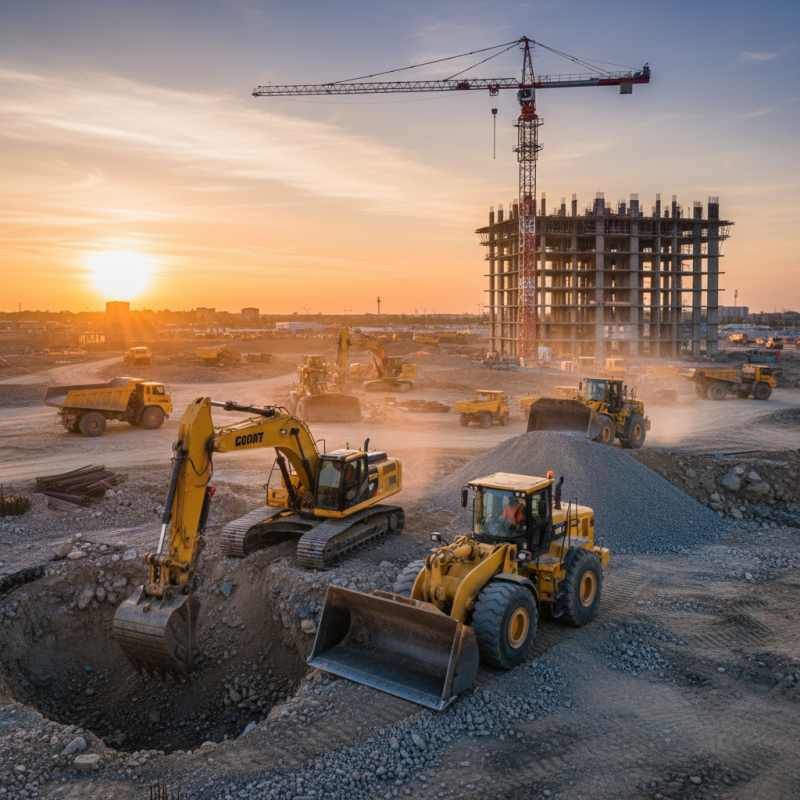
Heavy-duty construction machines play a vital role in large-scale projects. These machines are designed to handle substantial loads and challenging environments. According to industry reports, the global construction machinery market is projected to reach $230 billion by 2025. This growth reflects the increasing demand for efficient and robust equipment in construction.
Excavators, loaders, and bulldozers are essential for heavy-duty applications. Excavators are ideal for digging and demolition. They can reach depths up to 20 feet. Loaders help in transporting materials quickly, increasing productivity on-site. Bulldozers are used for earthmoving tasks, making them indispensable in grading operations. Each of these machines has specific attachments, enhancing versatility for different tasks.
Tip: When selecting machines, consider fuel efficiency and maintenance costs. High-performing machines can become costly if not maintained well. Sometimes, operators overlook basic checks, leading to unexpected downtimes. Investing in training can improve productivity and extend machine life. Frequent maintenance practices can prevent minor issues from turning into major failures. Always conduct a cost-benefit analysis before making purchases, as not all advanced technology is necessary for every project.
| Machine Type | Weight (lbs) | Power (HP) | Application | Approx. Cost ($) |
|---|---|---|---|---|
| Excavator | 22,000 | 150 | Digging, trenching | $100,000 |
| Bulldozer | 30,000 | 200 | Earthmoving | $150,000 |
| Backhoe Loader | 14,500 | 90 | Construction, landscaping | $75,000 |
| Skid Steer Loader | 7,000 | 70 | Material handling | $45,000 |
| Crane | 50,000 | 180 | Lifting heavy loads | $250,000 |
| Dump Truck | 30,000 | 400 | Hauling materials | $100,000 |
| Paver | 20,000 | 100 | Road-building | $150,000 |
| Forklift | 10,000 | 50 | Warehouse operations | $35,000 |
| Concrete Mixer | 12,000 | 80 | Concrete preparation | $40,000 |
| Road Roller | 25,000 | 130 | Compaction | $80,000 |
When selecting top construction equipment for heavy-duty projects, consider several key criteria. First, assess the machine's load capacity. Heavy-duty projects demand equipment that can handle substantial weight. Reports indicate that choosing machines with a load capacity exceeding 20 tons often improves efficiency by 30%.
Durability is another criterion. Machines in harsh conditions mean wear and tear is inevitable. Data shows that equipment with advanced materials last 25% longer. While focusing on durability, remember that maintenance is crucial too. A machine that is hard to maintain can lead to unexpected downtime. Regular maintenance checks often save 15% on repair costs.
[Image]
Tip: Look for equipment with easy access for maintenance tasks. Another point is the versatility of the machinery. A multifunctional machine can perform various tasks, thus reducing the need for multiple pieces. This not only saves costs but also frees up valuable space on-site.
Reflect on the operator's experience. Well-trained operators maximize the efficiency of the equipment. Investing in training can boost project productivity significantly. In the end, the right machinery and operators can make or break heavy-duty projects.
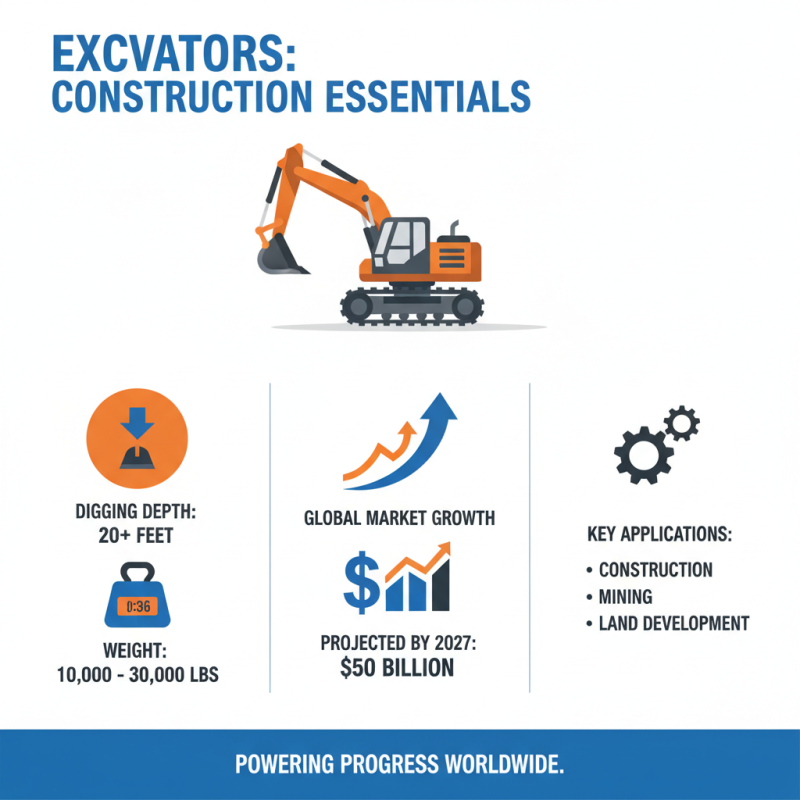
Excavators are crucial for heavy-duty construction projects. Their strength and versatility make them indispensable on job sites. A typical excavator can dig depths of 20 feet or more. They often weigh between 10,000 to 30,000 pounds. According to industry reports, the global excavator market is expected to reach $50 billion by 2027. This growth reflects their significance in construction, mining, and land development.
When choosing an excavator, look for key features. Hydraulic power is essential for efficiency. Performance metrics, such as digging force and swing speed, vary widely. A machine’s bucket capacity, often ranging from 0.5 to 2.5 cubic yards, impacts its effectiveness. Understanding these specifications can prevent project delays. Not every machine suits every job; adapt your choice based on project scale.
Tips: Always assess terrain and job size before selecting an excavator. Consider potential maintenance needs; some machines require more care than others. Heavy-duty projects demand machines that balance power with control. Investing in training can enhance operator skill, often overlooked in project planning. Proper training optimizes performance and safety.
When choosing between skid steer and track loaders, there are key differences to consider. Skid steers are nimble and compact. They excel in tight spaces. Their small turning radius makes them ideal for urban settings. However, their wheels can struggle with muddy or soft terrain. This can limit their versatility on certain job sites.
Track loaders, on the other hand, have a wider footprint. They provide better stability on uneven ground. This is crucial for heavy lifting tasks. The continuous tracks minimize ground disturbance. Yet, they can be slower than skid steers in some situations. They also have a higher initial cost, which could be a concern for budget-conscious contractors.
Each loader type has strengths and weaknesses. Skid steers can be more affordable and easier to transport. But they may require more frequent maintenance. Track loaders, with their robust designs, offer durability. Reflecting on your specific project needs will guide the choice. It's not just about power; it's about how each machine fits into your workflow.
Cranes play a crucial role in heavy construction. They are essential for lifting and moving heavy objects. Different types of cranes cater to various project needs.
Tower cranes, for instance, reach impressive heights, making them ideal for skyscrapers. Mobile cranes, on the other hand, offer flexibility and can be relocated easily on construction sites.
The load capacities of these cranes vary widely. Tower cranes can lift thousands of pounds, while smaller mobile cranes handle lighter loads. This range helps construction managers choose the right crane for specific tasks. However, selecting the appropriate crane isn't always straightforward. Misjudging the load limits can lead to serious accidents.
Construction crews must consistently assess their equipment. Overlooking minor details can result in costly mistakes. Sometimes, even experienced operators miscalculate the weight or height needed for a project. Regular training and evaluations can improve safety and efficiency. Understanding each crane's unique capabilities is key to successful heavy-duty projects.