

...

What is the Best Cup Inspection Machine for Quality Control?

The importance of quality control in manufacturing cannot be overstated. In industries where precision and quality are paramount, a reliable Cup Inspection Machine plays a crucial role. These machines are designed to detect defects and ensure that every cup meets the required standards. This not only enhances product reliability but also reinforces brand reputation.

Choosing the best cup inspection machine requires understanding specific needs and technological advancements. Various models offer different features, from automated inspections to advanced imaging systems. Each machine presents its advantages and limitations. While some machines excel in speed, others may focus on accuracy. It's essential to align the machine's capabilities with production goals and quality expectations.

There are challenges in selecting the right equipment. Many manufacturers may not fully grasp how to evaluate these machines. Some might prioritize cost over quality, risking long-term efficiency. Therefore, reflecting on the specific requirements and the machine's performance history is vital. Ensuring that the cup inspection machine fits seamlessly into the production process can significantly enhance overall quality management.
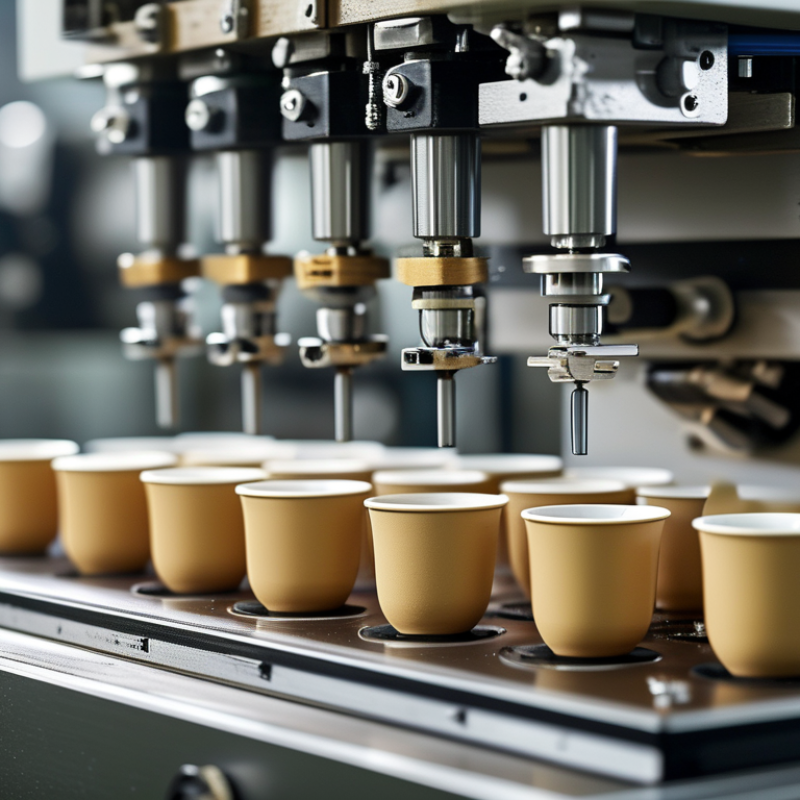
What is the Best Cup Inspection Machine for Quality Control?

Types of Cup Inspection Machines Available in the Market

When it comes to ensuring product quality, the type of cup inspection machine you choose can make all the difference. Various models are available, each designed with specific functionalities. Optical inspection machines use advanced cameras to detect surface defects on cups. They can identify scratches, cracks, and other imperfections with high accuracy. This technology minimizes manual inspections, boosting efficiency.

Another option is dimensional inspection machines. These machines ensure that dimensions meet the required specifications. They can measure diameter, height, and thickness precisely. This type is essential for maintaining uniformity in production. However, setting up these machines can be complex and may require training.

Tip: When selecting an inspection machine, consider the scope of your product line. A versatile machine may save costs in the long run. Assess your quality standards and choose accordingly.

There are also automated inspection systems that streamline operations. These machines can handle high-volume production. However, they might overlook minor defects. Regular maintenance is crucial to keep them functioning effectively.

Tip: Always document the inspection process. This builds reliability and reinforces quality control measures. Reflect on the data collected for continuous improvement.

What is the Best Cup Inspection Machine for Quality Control?

Machine Type Key Features Inspection Speed (Cups/min) Accuracy (%) Price Range (USD)
Automatic Vision Inspection High-resolution cameras, real-time analysis 150 99.5 15,000 - 30,000
Manual Inspection Station Visual checks, optional lighting setup 50 90 2,000 - 5,000
Automated Mechanical Inspection Mechanical arms, standardized measurements 100 98 10,000 - 20,000
Laser Inspection System Laser measurement, non-contact evaluation 200 99.8 20,000 - 40,000

Key Features to Look for in a Quality Control Cup Inspection Machine

When selecting a cup inspection machine for quality control, it is essential to consider specific features. Start with the accuracy of measurement. A high-precision machine can detect even minor defects in cup design or material. Look for models equipped with advanced sensors. They can identify irregularities in real time, reducing the risk of flawed products reaching consumers.

Automation is another critical feature. A machine that combines speed with accuracy can significantly boost production efficiency. The setup should allow for easy adjustments, cutting down on downtime during product changes. User-friendly interfaces can simplify operation. This is important in fast-paced manufacturing environments.

Consider the machine's ability to perform multiple inspections. These may include visual checks, dimensional measurements, or weight assessments. A versatile machine provides comprehensive quality control.

It's worth reflecting on the need for training personnel as well. Overreliance on technology can lead to oversight. Ultimately, a balanced approach enhances both quality and efficiency.

How Cup Inspection Machines Improve Product Quality and Consistency

Cup inspection machines play a vital role in improving product quality and consistency. These machines rigorously check for defects, ensuring that every cup meets high standards. They can detect issues like cracks, misprints, and irregular shapes that human eyes might miss. By using advanced technology, manufacturers can maintain uniform quality throughout production, preventing costly recalls or customer complaints.

Tips: Regular calibration of inspection machines is essential. This helps ensure accuracy and reliability. Additionally, training staff to understand inspection data can enhance quality control processes.

Employing cup inspection machines reduces waste and increases productivity. Mistakes caught early in the production line save time and resources. However, over-reliance on automation may lead to less human oversight. Balancing machine checks with human inspections can create a robust quality assurance strategy.

Tips: Establish a feedback loop for quality control teams. This keeps everyone informed about inspection findings and fosters continuous improvement. Remember, technology complements human expertise but cannot replace it entirely.

Product Quality Analysis: Cup Inspection Machine Efficiency

Comparative Analysis of Leading Brands for Cup Inspection Machines

When choosing a cup inspection machine, a comparative analysis reveals critical insights about the leading brands. Recent industry data shows that nearly 75% of manufacturers prioritize quality control in their production line. Efficiency and precision are essential in minimizing defects. A reliable inspection machine can reduce waste by up to 30%, which directly impacts the bottom line.

Key features to consider include speed, accuracy, and technology integration. Some inspection machines utilize advanced imaging systems for real-time defect detection. According to reports, machines with automated optical inspection (AOI) capabilities boast a 90% accuracy rate in identifying flaws. However, some users note that the calibration process can be complex and time-consuming. Regular maintenance is crucial; neglecting this may lead to performance variability.

Additionally, the user interface impacts operational efficiency. Operators often prefer machines with intuitive controls, reducing training time. But, not all machines offer this advantage. Feedback indicates that complex interfaces can hinder productivity. The industry should continuously address these challenges. Investing in technology that balances performance with ease of use is vital for maintaining competitive edge.

Cost Considerations and Budgeting for Cup Inspection Solutions

Setting a budget for cup inspection machines is crucial for effective quality control. These machines can range significantly in price. Factors that impact the cost include technology, capacity, and precision levels. Investing in advanced optical systems may improve accuracy but at a higher cost. Balancing quality with expenditure is essential.

Consider the long-term benefits of these machines. Cheaper options may save money upfront but may lack durability. They may also require more frequent maintenance. This could lead to hidden costs over time. Assessing the total cost of ownership is vital before making a decision.

It's also important to reflect on how inspection machines fit into the production line. The right machine should enhance efficiency and minimize waste. Regular evaluations of quality standards can lead to necessary upgrades. Your initial investment should align with your commitment to maintaining product quality.