

...

Best Hammer Mill Machine for Your Industrial Needs?

In the industrial sector, choosing the best Hammer Mill Machine is crucial. It can significantly impact productivity and efficiency. This machine is designed to crush materials into finer particles. Its versatility allows it to handle various materials, from grains to spices.

When selecting a Hammer Mill Machine, consider your specific needs. Factors include the type of material, desired particle size, and production volume. Each aspect influences the machine's performance. Some users make decisions based mainly on price, which can lead to regrets later. Investing in quality is essential for long-term reliability.

Understanding the features of different hammer mills can be overwhelming. However, industry expertise can guide you in making an informed choice. Look for machines with strong customer reviews and a reputable brand. This can provide peace of mind. A reliable Hammer Mill Machine is an investment in your operation's future.
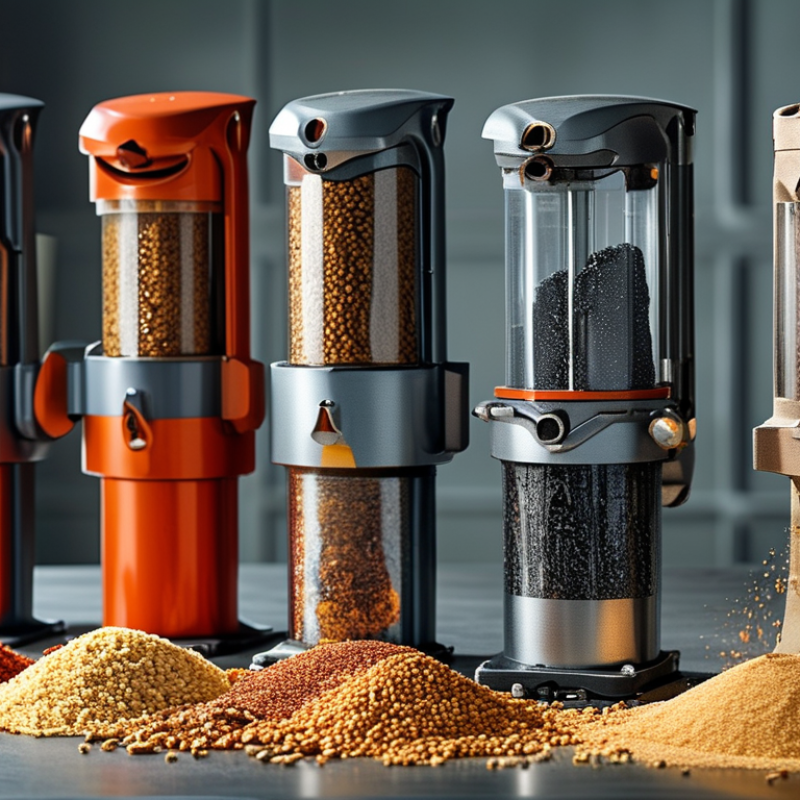
Best Hammer Mill Machine for Your Industrial Needs?

Types of Hammer Mill Machines and Their Applications

When choosing a hammer mill, understanding its types is crucial. There are several types of hammer mill machines, each designed for specific industrial needs. The most common type is the gravity discharge hammer mill. This machine is ideal for processing wood, corn, and grains. It operates by allowing materials to fall through the hammers, ensuring efficient shredding and grinding.

Another popular variant is the pneumatic discharge hammer mill. This type uses air pressure to push ground materials away from the mill. It's very effective for fine grinding and is used in industries like pharmaceuticals. Additionally, there are hammer mills designed for coarse grinding, suitable for materials like minerals and animal feed. Each hammer mill type has its unique applications, reflecting the diverse needs of industries. Choosing the right type requires assessing factors such as material size, desired fineness, and production volume.

Selecting the best machine is not always straightforward. Operators must consider aspects like maintenance and operational efficiency. Some machines may require more frequent repairs, leading to downtime. Evaluating various options will enhance decision-making. Understanding the specific requirements of your industry is essential. This knowledge allows for a tailored approach in selecting a machine that aligns with your goals. Each type of hammer mill offers distinct advantages, yet careful consideration is necessary to optimize performance.

Best Hammer Mill Machine for Your Industrial Needs? - Types of Hammer Mill Machines and Their Applications

Type of Hammer Mill Application Material Processed Typical Capacity (kg/h)
Industrial Hammer Mill Comminution of bulk materials Grains, wood 500 - 3000
Feed Hammer Mill Animal feed production Corn, soybean meal 1000 - 5000
Wood Hammer Mill Wood waste recycling Wood chips, sawdust 800 - 4000
Micro Hammer Mill Fine powder milling Herbs, spices 200 - 1000
Hammer Mill with Cyclone Dust-free milling Grains, powders 1000 - 3000

Key Features to Consider When Choosing a Hammer Mill

Choosing the right hammer mill machine for industrial use can significantly impact production efficiency. Key features to consider include grinding capacity, maintenance ease, and size reduction type. According to a study by the Institute of Food Technologists, capacity can vary widely among machines, typically ranging from 1 to 100 tons per hour. Understanding your specific needs is crucial for optimal performance.

Another critical aspect is the type of material being processed. Different materials, like grains or wood, may require tailored hammer mill designs. The National Renewable Energy Laboratory highlights that energy consumption varies based on material characteristics. An inefficient choice could lead to unnecessary energy costs, impacting the bottom line.

Maintenance is often overlooked but should be prioritized. Regular upkeep can extend machinery lifespan and enhance productivity. A report from the American Society of Mechanical Engineers suggests that up to 15% of downtime can stem from poor maintenance practices. Investing in a user-friendly design can pay off in time saved during repairs. Choose wisely and be mindful of these factors when making a decision.

Performance Comparison of Different Hammer Mill Machines

Factors Affecting Hammer Mill Efficiency and Performance

When considering the efficiency of hammer mills, several key factors come into play. Energy consumption is critical. According to a study by the Institute of Agricultural and Biological Engineering, energy costs can account for up to 30% of operational expenses in grain processing. Reducing energy usage can significantly enhance overall profitability.

Particle size distribution is another essential factor. Achieving the optimal size affects the uniformity and quality of the final product. Research shows that a finer particle size leads to better digestibility in animal feed, which is crucial for enhancing livestock growth rates. Striking the right balance is vital; excessively fine particles may lead to increased wear on equipment.

Screen design and feed rate also influence performance. A study published by the American Society of Agricultural and Biological Engineers indicates that an improperly designed screen can reduce throughput by up to 50%. Adjusting the feed rate can mitigate this issue, but it requires constant monitoring to avoid bottlenecks. Reflecting on these factors can lead to improved efficiency and output in hammer mill operations.

Maintenance Tips for Your Hammer Mill to Ensure Longevity

Regular maintenance of your hammer mill is crucial. Ensuring its longevity requires attention and care. Start by checking the screen regularly. A worn screen can lead to inefficient grinding. Replace it as needed to maintain optimal performance.


Lubrication is another key aspect. Keep all moving parts properly lubricated. This reduces friction and prevents unnecessary wear. Pay attention to the hammer blades. Inspect them for signs of damage or dullness. Sharpen or replace blades to ensure effective processing.


Monitor vibration levels during operation. Excessive vibration can indicate underlying issues. Address these promptly to avoid major repairs. Cleaning the machine frequently is important, too. Accumulated debris can affect efficiency and lead to breakdowns. Regular inspection and cleaning will save money in the long run.

Comparative Analysis of Popular Hammer Mill Brands in the Market

When choosing a hammer mill, a comparative analysis of popular brands reveals notable differences. A recent industry report indicates that the size of the global hammer mill market is projected to reach over $300 million by 2025. This growth reflects increasing demand across various sectors, including agriculture, food processing, and pharmaceuticals. Key features to evaluate include grinding efficiency, power consumption, and ease of maintenance.

Several top-performing brands show significant variations in output capacity. Some hammer mills can process up to 2 tons of material per hour, making them ideal for large operations. In contrast, smaller units may handle only 200 kg per hour, suitable for craft applications. Users often report challenges with noise levels and dust generation, which can affect workplace conditions.

When selecting a hammer mill, consider your specific needs. Assess the volume of material you need to process. Examine the energy consumption rates of different models; efficiency can significantly impact operating costs. Ensure that the mill meets your durability requirements. It's essential to check reviews for reliability and performance.