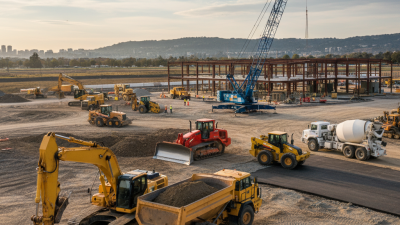

Choosing the best heavy equipment from China depends less on brand popularity than on the worksite itself. A crawler excavator may suit muddy foundations, while a wheel loader can move gravel quickly across a paved yard. This distinction matters. Buyers should compare operating weight, engine output, hydraulic response, fuel use, and attachment support before comparing prices. A low purchase cost means little if parts arrive slowly or the machine struggles under daily loads.
Reliable evaluation begins with evidence. Check factory certifications, production records, warranty terms, and dealer service coverage. Ask for maintenance schedules and inspect service points around the engine, filters, pins, and hydraulic lines. If possible, test the machine with local soil and familiar attachments. A short demonstration cannot reveal everything. That limitation deserves attention.
Chinese manufacturers now offer equipment for construction, mining support, roadwork, agriculture, and material handling. Their strengths often include broad model ranges, competitive pricing, and increasingly refined control systems. Yet quality varies between factories and product lines. The best choice is not automatically the newest or cheapest machine. It is the model that matches working hours, terrain, operator skill, and long-term support. This guide will compare practical equipment types, ownership risks, and selection criteria. It will help buyers make a defensible decision based on verified specifications and real operating needs. Manufacturer claims still require careful checking.
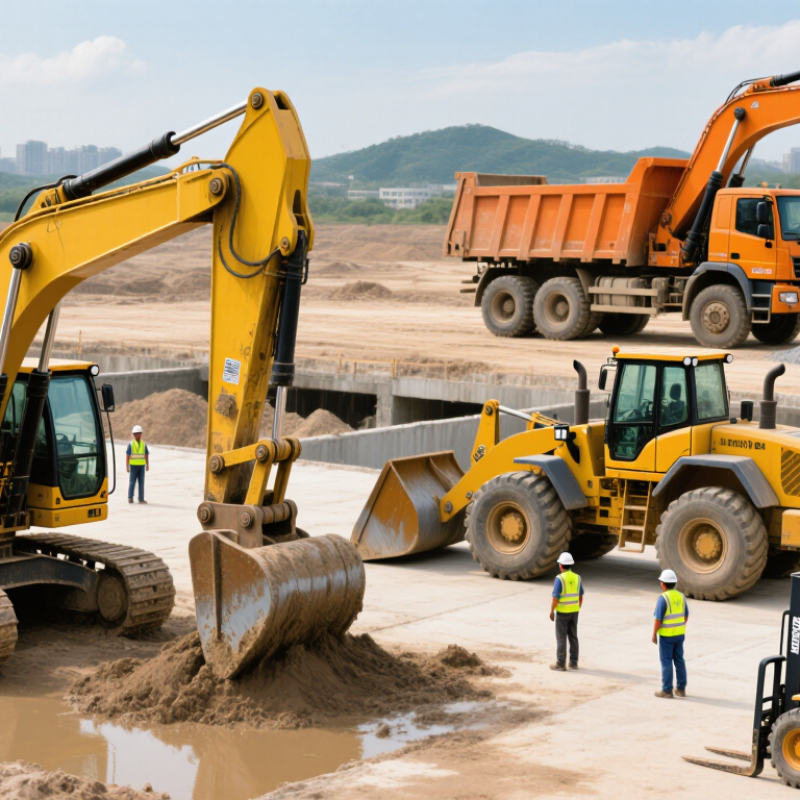
What Is the Best Heavy Equipment Type from China?
The best heavy equipment type from China is defined by job fit, not purchase price. A 20-ton excavator suits urban foundations, drainage, and medium quarry work. A compact loader works better in narrow yards and recycling facilities. The machine must match soil, lifting depth, duty cycle, and transport limits.
Industry data supports careful selection. The KHL Yellow Table 2024 recorded about 1.2 million construction equipment units sold worldwide in 2023. China remains a major production base, but volume does not prove suitability. The China Construction Machinery Industry Association reported 195,018 excavators sold in 2023, including strong export activity. Buyers should therefore examine factory quality records, hydraulic efficiency, fuel use, and parts availability. Numbers matter.
Field checks reveal more. Inspect weld consistency around the boom and frame. Test cold starting, joystick response, braking, and hydraulic leakage. Ask for maintenance intervals and verified operating-hour records. Telematics can reveal idle time and abnormal temperatures, according to common fleet-management practices reported by construction equipment research firms. Safety functions also deserve inspection, including visibility, alarms, guarding, and emergency controls.
A low price can hide costly downtime.
Service support is often the real test. Confirm local filters, seals, hoses, technician training, and response times before ordering. The best type may still disappoint when operators lack training. No scorecard is perfect. Weather, attachments, and operator habits can change the result.
The best Chinese heavy equipment depends on the worksite, not the largest engine. For urban foundations, a hydraulic excavator offers precise digging, narrow-tail options, and useful attachment flexibility. China Construction Machinery Association data recorded 195,018 excavator sales in 2023, including domestic and export deliveries. This volume reflects strong production depth, but it does not guarantee the right machine for every project.
For road building, motor graders and tandem rollers usually deliver better value than excavators. Graders shape drainage slopes and subgrades, while rollers control soil and asphalt density. A wheel loader is more suitable for quarries, aggregate yards, and concrete plants. It moves loose material quickly, especially when loading cycles are short. Fit beats size.
Port work and large earthmoving projects may require crawler cranes, rough-terrain cranes, or rigid dump trucks. Selection should consider lifting radius, ground pressure, payload, and transport limits. Off-Highway Research’s 2024 market analysis identifies China as one of the world’s largest construction equipment markets, but also highlights demand cycles and uneven regional conditions. That warning matters. A low purchase price can lose its advantage when parts, operator training, fuel use, or downtime are ignored.
In practical evaluations, compare hourly output rather than catalogue horsepower. Check hydraulic response under load. Measure actual fuel consumption. Also review service coverage and documentation before ordering. The comparison is not perfect. Soil, climate, and operator skill can change the result dramatically.
What Is the Best Heavy Equipment Type from China?
Key Factors for Evaluating Chinese Heavy Equipment
The best equipment depends on your site, workload, and maintenance capacity. A crawler excavator suits soft ground and uneven construction areas. A wheel loader works better on paved yards and material-handling sites. Fit matters more than advertised horsepower. Check operating weight, bucket capacity, ground clearance, fuel use, and lifting stability against your daily tasks.
Inspect the hydraulic response under real pressure. The boom should move smoothly without unusual noise or sudden delay. Test the machine cold, not only after the seller warms it. Review engine emissions data, safety controls, lighting, and operator visibility. Confirm that the equipment meets local standards and can be legally registered for your work.
Supplier support deserves equal attention. Ask for service records, spare-parts availability, warranty terms, training, and response times. A low purchase price can become expensive when a small seal stops production. Check parts compatibility before signing. Independent inspection is wise, especially for used equipment. No checklist is perfect. I have seen clean-looking machines hide worn pins and neglected cooling systems. Photos can mislead. Arrange a practical test with a qualified technician, and record performance on your actual soil, slopes, and working cycle.
| Equipment Type | Typical Operating Weight | Typical Power Range | Typical Capacity or Output | Best-Fit Applications | Key Evaluation Factors | Overall Suitability |
|---|---|---|---|---|---|---|
| Hydraulic Excavator | 1.5–50 tonnes | 15–300 kW | Bucket capacity: approximately 0.04–3.0 m³ | Digging, trenching, quarrying, demolition, and material handling | Hydraulic efficiency, breakout force, cycle time, attachment compatibility, undercarriage quality, and parts availability | Best all-round choice |
| Wheel Loader | 5–35 tonnes | 50–300 kW | Bucket capacity: approximately 0.8–6.5 m³ | Loading aggregates, stockpile management, mining, agriculture, and construction sites | Rated load, tipping load, breakout force, fuel consumption, transmission performance, tire cost, and operator visibility | Best for loading and yard work |
| Crawler Bulldozer | 8–75 tonnes | 75–560 kW | Blade width: approximately 2.5–5.5 m | Earthmoving, site grading, land clearing, road construction, and landfill operations | Drawbar pull, blade control, final-drive durability, track wear, ground pressure, and slope performance | Best for pushing and grading |
| Motor Grader | 10–25 tonnes | 100–220 kW | Moldboard width: approximately 3.0–4.9 m | Road shaping, ditch cutting, fine grading, and maintenance of unpaved surfaces | Moldboard articulation, hydraulic response, steering accuracy, frame strength, and control ergonomics | Best for precision grading |
| Articulated Dump Truck | 15–60 tonnes | 180–500 kW | Payload: approximately 15–45 tonnes | Mining, quarrying, large earthworks, and hauling on rough or steep terrain | Payload-to-weight ratio, axle durability, hydraulic dump time, traction, turning radius, and brake performance | Best for off-road hauling |
| Mobile Crane | 10–100 tonnes | 120–350 kW | Rated lifting capacity: approximately 10–100 tonnes | Structural erection, infrastructure projects, industrial installation, and equipment handling | Load charts, boom reach, stability, safety systems, certification, road regulations, and inspection support | Best for lifting operations |
| Road Roller | 3–20 tonnes | 25–160 kW | Drum width: approximately 1.0–2.3 m | Compaction of asphalt, soil, gravel, foundations, and road surfaces | Static linear load, vibration frequency, centrifugal force, water-spray system, drum alignment, and serviceability | Best for road compaction |
| Concrete Pump Truck | 15–55 tonnes | 180–400 kW | Concrete output: approximately 60–180 m³/h; boom reach: up to about 60 m | High-rise construction, bridges, foundations, dams, and large concrete pours | Pumping pressure, valve durability, boom stability, pipeline wear, cleaning system, and local technical support | Best for continuous concrete placement |
The best equipment type depends on your worksite, soil, budget, and service access. Chinese excavators are strong choices for earthmoving, trenching, and quarry preparation. A 20-ton crawler excavator can handle wet ground with stable tracks and useful digging depth. Wheel loaders suit aggregate yards and road projects. Their large buckets move sand, gravel, and broken concrete quickly. Articulated dump trucks add value where haul roads are uneven.
Cranes support steel erection, factory construction, and infrastructure work. Their main strengths include lifting capacity, transport options, and adaptable boom designs. Bulldozers perform well during site grading and land clearing. Concrete machinery can improve pouring speed when projects require consistent output. Still, no category wins every site. A powerful excavator may waste fuel on a small urban project. That is an easy mistake to make.
Tips: Match machine size to daily workload, not imagined peak demand. Check hydraulic response, weld quality, safety systems, and operator visibility. Request load charts and maintenance records. Compare local parts availability and technician training. A low purchase price can become expensive after repeated downtime. Test the machine under realistic conditions, including slopes, dust, and full payloads. Then review the results honestly. Your first choice may need adjustment.
Selecting the right Chinese heavy equipment type starts with the job, not the advertised price. A wheel loader suits paved yards and material handling. An excavator works better for trenches, foundations, and uneven ground. For road projects, graders and compactors offer more precise surface control. Match the machine to your soil, daily workload, and required lifting capacity.
Measure twice. Order once.
Check operating weight, engine output, bucket size, fuel use, and attachment compatibility. A small excavator may reduce transport costs, but it can struggle with dense clay or deep rock. A larger model may finish faster, yet require stronger access roads and higher maintenance spending. Review hydraulic performance under continuous use, not only brochure figures. Ask for service records, parts availability, operator manuals, and warranty terms in writing. Confirm that the equipment meets the safety and emissions rules in your country.
Inspect welds, hydraulic lines, tires, tracks, controls, and warning systems before payment. Request a cold start and a working demonstration. Independent inspection is worth the expense. I would also calculate total ownership cost over three years, including fuel, filters, transport, and downtime. This step is often skipped. That mistake can make a low purchase price expensive. Leave room for doubt, especially when translated specifications appear unusually perfect.
Equipment selection should match the jobsite, required mobility, digging or loading capacity, terrain, and transport limitations. The chart compares representative mid-range specifications commonly found across Chinese heavy-equipment categories. Exact specifications vary by configuration and application.
Selection guide: Choose an excavator for digging and trenching, a wheel loader for fast material handling, a crawler dozer for grading and pushing on difficult terrain, a motor grader for precise road finishing, and an articulated dump truck for transporting large loads over uneven ground.