

...

10 Best Lavatory Drain Suppliers for Global Buyers

When sourcing a Lavatory Drain, a small component can shape the performance and appearance of an entire washroom. It must fit the basin, connect properly to the plumbing, and suit the expected use. Details matter. Finish options, overflow compatibility, dimensions, and maintenance needs can differ between suppliers. A product photo alone rarely answers every installation question.

Global buyers also weigh practical concerns beyond product design. Lead times, communication, packaging, order quantities, and technical support may affect a project’s schedule. Supplier capabilities vary, and information that works for one market may not suit another. This comparison of ten Lavatory Drain suppliers offers a starting point, not a universal ranking. The right choice depends on your basin specifications, project volume, target finish, and delivery requirements.

The profiles focus on factors buyers can verify, including product range, available specifications, manufacturing information, and customer support. Before placing an order, request current drawings, material details, finish samples, and written confirmation of compatibility. Check shipping terms and ask how the supplier handles quality concerns. These steps take time. They can prevent expensive surprises, though no checklist removes every risk. Some supplier details may change, so confirm them directly. And comparisons are imperfect: public information can be incomplete, and a polished catalog does not prove consistent performance. Use this guide to narrow your options, then evaluate each supplier against your actual project needs.
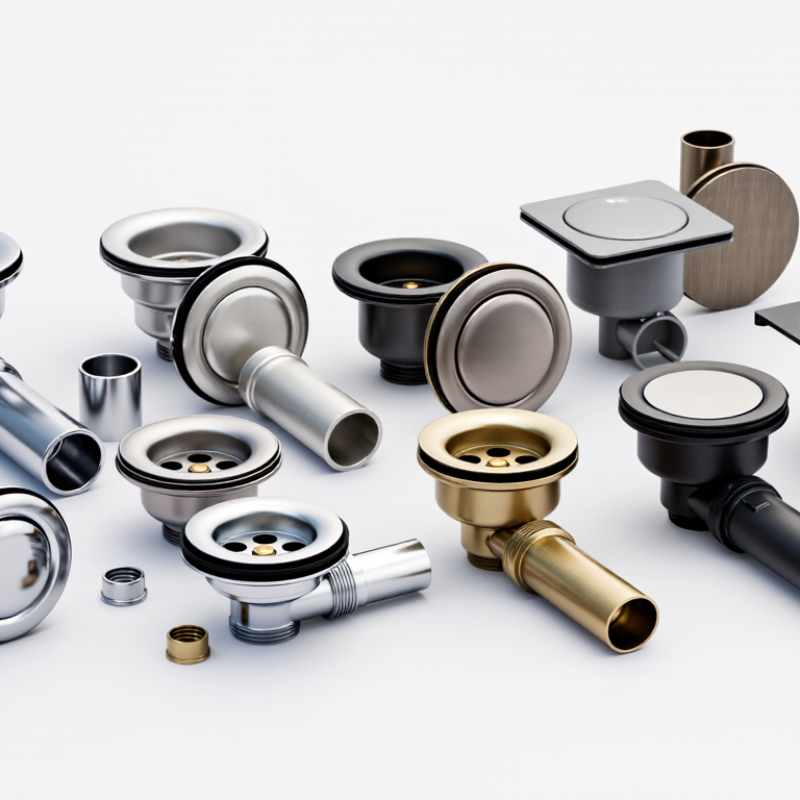
10 Best Lavatory Drain Suppliers for Global Buyers

Understanding Lavatory Drain Types and Global Buyer Needs

Lavatory drains differ in operation, basin fit, and maintenance needs. A pop-up drain opens with a lift rod, while a push-button model works directly at the stopper. Grid drains allow water to pass continuously and suit basins without a closing mechanism. Small details matter: a basin with an overflow needs a compatible drain opening, while a vessel basin may require a longer body.

For global buyers, confirm dimensions before comparing prices. Measure the drain hole, basin thickness, tailpiece length, and available space above the trap. Plumbing connections and installation habits can vary by market, so request a dimensioned drawing and check the thread specification with the local installer. A polished product photo can hide a poor fit. Ask for a sample when tolerances are unclear.

Material and finish affect service life, not just appearance. Stainless steel is often chosen for its corrosion resistance; plated finishes need careful handling during installation. Check whether the drain includes seals, mounting hardware, and clear instructions. Packaging matters, too: a bent tailpiece can delay an otherwise sound order. There is no single best drain for every project. Even experienced buyers may overlook overflow compatibility when ordering quickly.

Criteria for Selecting the Top 10 Suppliers

A useful supplier review starts with product fit, not catalog size. Check drain dimensions, outlet type, overflow configuration, and compatibility with common basin openings. Ask for technical drawings and material specifications before comparing prices. A stainless-steel body, for example, should have clearly stated grade and finish; vague descriptions are difficult to verify. Small details matter. Review test records for leak resistance, corrosion performance, and repeated stopper operation, while noting that test methods may differ between suppliers.

For global purchasing, assess production capacity, quality controls, packaging, and communication. Request a sample and inspect the threads, gasket seating, surface finish, and stopper movement yourself. A polished sample is useful, but it cannot prove every production batch will match. Ask how defects are recorded and corrected, and whether inspection reports can be shared. Confirm lead times, minimum order quantities, spare-part availability, and export documents for the intended shipment. Compare total delivered cost, including packaging and freight, rather than unit price alone. No scorecard is perfect. Weight each criterion against the project’s actual installation conditions and service expectations.

10 Best Lavatory Drain Suppliers for Global Buyers - Criteria for Selecting the Top 10 Suppliers
No. Selection Criterion What to Evaluate Verification Evidence Suggested Weight
1 Product range and application fit Check availability of drain types and configurations suitable for the intended lavatory, such as pop-up, grid, or click-clack designs, and confirm whether an overflow connection is required. Product catalogue, technical drawings, and written confirmation of the selected configuration. 15%
2 Material and component specifications Review the stated material for each component, including the drain body, flange, stopper, and seals. Confirm material grades and any coating or plating details rather than relying on appearance alone. Bill of materials, material declarations, and product data sheets identifying component materials. 12%
3 Dimensional compatibility Match drain dimensions and connection details to the basin and plumbing installation. Check opening size, tailpiece dimensions, thread type, and available adjustment range against the project drawings. Dimensioned drawings, installation instructions, and sample-fit approval where needed. 12%
4 Market-specific standards and compliance Confirm the requirements for the destination market and product category. Relevant standards may include EN 274 in markets where it applies, or ASME A112.18.2/CSA B125.2 where applicable; requirements vary by jurisdiction and product scope. Current certificates or test reports that identify the exact product model, applicable standard, issuing body, and scope. 12%
5 Corrosion and finish durability Assess suitability for the expected bathroom environment, cleaning practices, and water conditions. Compare finish specifications and confirm how exposed surfaces are protected. Finish specifications, care instructions, and relevant corrosion or coating test reports, if available. 10%
6 Leakage and functional testing Check how the supplier tests sealing, stopper operation, drainage, and repeated use. Test procedures should correspond to the product design and stated performance claims. Quality-control plan, inspection records, and test reports with methods and acceptance criteria. 10%
7 Quality management and traceability Review the supplier’s production controls, incoming-material checks, nonconformance handling, and ability to trace finished goods to production batches. Quality-system documentation, sample inspection records, and batch or lot identification procedures. Verify any ISO 9001 certificate and its current scope with the issuer. 8%
8 Production capacity and order flexibility Assess whether the supplier can support the required order volume, repeat orders, packaging needs, and any agreed product variations. Written capacity and production schedule, confirmed minimum order quantity, and a sample order plan. 8%
9 Lead time and export readiness Compare quoted production and shipping lead times, packaging protection, export documentation support, and the proposed delivery terms. Written quotation, shipment schedule, packaging specification, and confirmation of documents required for the destination country. 7%
10 Warranty, spare parts, and support Review warranty coverage and exclusions, the availability of replacement seals or other service parts, and the process for resolving quality claims. Written warranty terms, spare-parts list, claim procedure, and stated response process. 6%
Total suggested evaluation weight 100%

Scoring guide: Score each criterion from 1 (does not meet requirements) to 5 (fully meets verified requirements). The weights are a suggested buyer evaluation framework, not supplier performance ratings or a ranking of named companies.

Profiles of 10 Leading Lavatory Drain Suppliers

Profiles of ten leading lavatory drain suppliers should compare capabilities, not just catalog depth. The group includes high-volume brass casters, stainless-steel specialists, precision-machining workshops, private-label producers, custom-design teams, and suppliers focused on pop-up assemblies. Other profiles may emphasize overflow drains, corrosion-resistant finishes, rapid sampling, export packaging, or stringent inspection. These are useful distinctions. Buyers should request drawings, material declarations, dimensional tolerances, and batch inspection records before comparing quotations.

Fit is unforgiving. Check the drain body against basin thickness, overflow position, and trap connection; then test the stopper with wet hands. A polished sample can hide rough threads or uneven plating. Ask suppliers how they control these defects, and verify claims with production samples. One weakness in this comparison: published supplier data rarely uses consistent quality measures, so a neat profile is not proof of factory performance.

Environmental durability also deserves attention. The United Nations Environment Programme’s Global Status Report for Buildings and Construction 2024/2025 reports that buildings and construction account for 32% of global energy use and 34% of CO₂ emissions. Those figures are sector-wide, not specific to drains. Still, they make material life, repairability, and packaging reasonable questions. Compare warranty terms, spare-part availability, finish testing, and shipping protection across all ten profiles. A drain that arrives scratched or leaks at the seal is no bargain.

Comparing Quality, Compliance, and Customization

For global buyers, a lavatory drain is a small part with several failure points: thread fit, gasket compression, finish durability, and overflow alignment. Check the body material and machining, then compare a production sample with the supplier’s drawings. A glossy finish can look convincing while concealing rough edges or a poor seal. Fit matters.

Demand is shaped by building activity, but forecasts need context. Global Construction Perspectives and Oxford Economics’ Global Construction 2030 report projected an 85% rise in worldwide construction output from 2015 to 2030, reaching $15.5 trillion. That was a forecast, not a current measurement. For compliance, ask which exact product models were tested against applicable requirements, such as ASME A112.18.2/CSA B125.2 or EN 274. A certificate for a different model proves little. Request dated test reports, material specifications, and batch traceability.

Customization can mean more than changing the finish. Confirm outlet diameter, tailpiece length, overflow design, thread type, and packaging language in a signed drawing. Ask whether tooling changes affect lead time, minimum order quantity, or replacement-part availability. I would also compare samples from different production batches; one good sample does not establish consistent control. Still, buyers sometimes skip that check when deadlines tighten. A practical scorecard should weigh dimensional consistency and documentation alongside price, not treat customization as a substitute for verified quality.

Suggested evaluation priorities for global buyers

These proposed weights reflect common purchasing considerations for lavatory drains; they are not audited supplier scores or a ranking of specific companies. Buyers should verify product certifications, material specifications, and customization capabilities directly with each supplier.

Assessing Pricing, Shipping, and After-Sales Support

For global buyers, a lavatory drain quote should be compared by landed cost, not unit price alone. Request a written breakdown covering product, packaging, freight, insurance, and any destination handling charges. The World Bank’s 2023 Logistics Performance Index assessed 139 economies across six areas, including timeliness, tracking, and logistics competence. These measures offer useful context, but they do not guarantee a supplier’s delivery record. Ask for recent shipment references and a sample packing list. Small details matter.

Shipping terms can change the real cost. UNCTAD’s Review of Maritime Transport 2024 reports that more than 80% of global goods trade by volume moves by sea. For drains, confirm carton dimensions, gross weight, pallet configuration, and whether mixed models can share a shipment. Ask for a realistic production lead time and a separate transit estimate. A neat quotation can still hide a long wait.

After-sales support deserves the same scrutiny as price. Confirm the warranty period, claim process, response hours, and availability of replacement grates or seals. Request installation guidance and clear photos of connection details before ordering. Keep the answers in writing. That gap matters. Some buyers focus on unit savings and overlook the cost of one missing fitting or a delayed reply. Evaluate support using specific commitments, not broad promises.

Article Source: