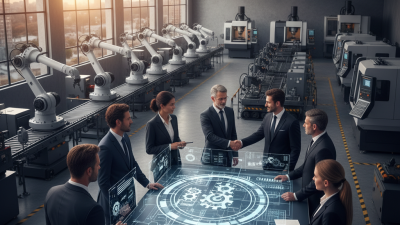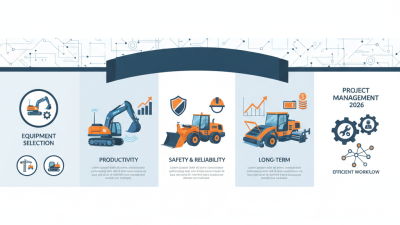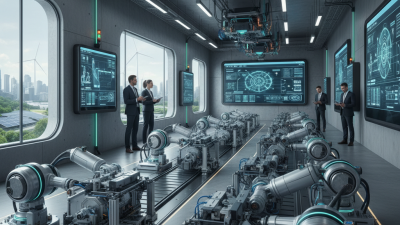

In the fast-evolving world of manufacturing, innovation drives success. The latest reports show that modern manufacturing machines can boost production efficiency by up to 30%. These machines integrate advanced technologies, such as automation and AI, transforming traditional workflows. Companies that invest in innovative manufacturing machines see improved output and reduced operational costs.
As we look to 2026, the manufacturing landscape will continue to change. New technologies are reshaping how factories operate. For instance, intelligent robotics can work alongside human workers, enhancing productivity. Yet, some companies struggle to adapt to these advancements. It is crucial to embrace change rather than resist it.
Exploring the best manufacturing machine innovations is vital for future growth. By understanding current trends and their impact, businesses can prepare for what's next. The challenge lies in finding the right balance between investment and adaptation. It’s not just about purchasing new equipment; it’s about rethinking processes for maximum efficiency.
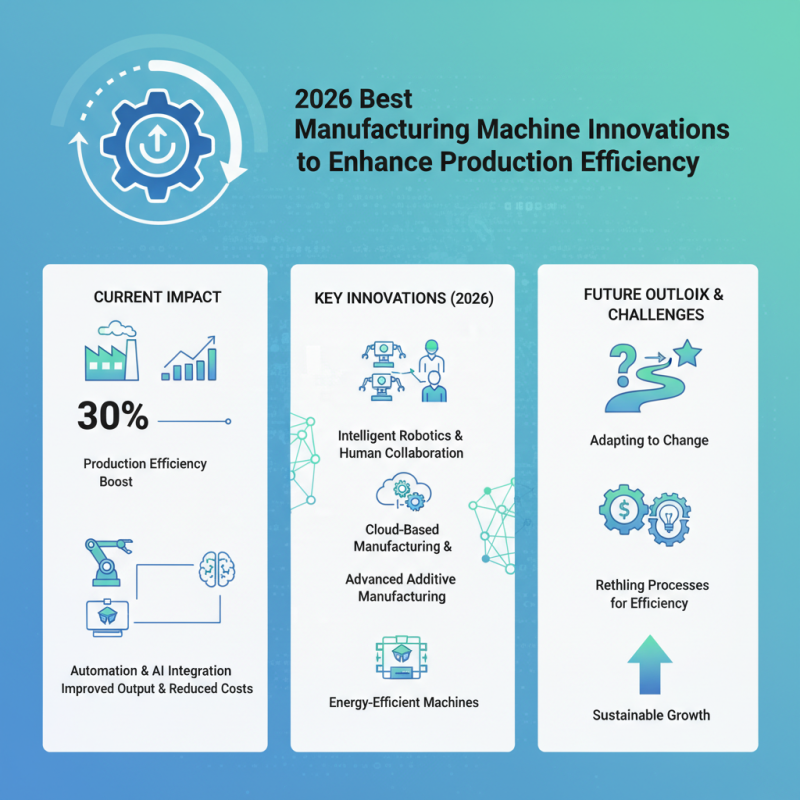
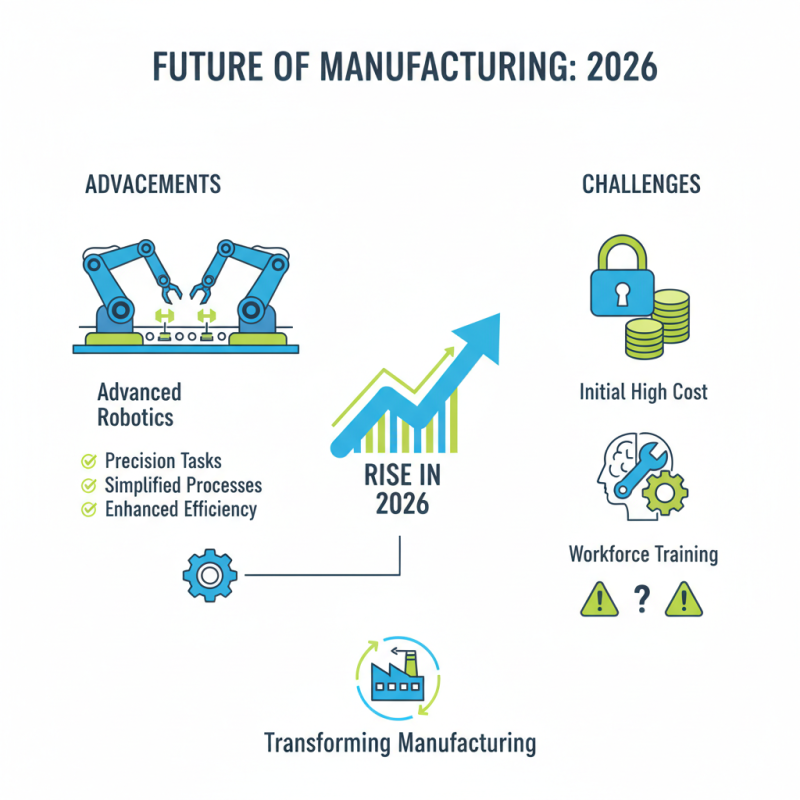
Emerging technologies are transforming manufacturing. In 2026, we may see a rise in advanced robotics. These robots can perform tasks with precision. They simplify complex processes and enhance efficiency. However, some concerns arise. The initial cost of implementation can be high. Also, workforce training is essential. Not every worker is ready for such changes.
Another promising area is the Internet of Things (IoT). By connecting machines, IoT enables real-time data analysis. This leads to better decision-making and reduced downtime. but it can also create security vulnerabilities. Manufacturers must invest in cybersecurity. Proper measures are crucial to protect sensitive information.
Artificial intelligence (AI) will play a pivotal role. AI can optimize production schedules and inventory management. It reduces waste and improves product quality. Yet, reliance on AI may lead to unforeseen complications. Human oversight remains necessary. The balance between technology and human input is vital as we move forward in the manufacturing landscape.
The landscape of manufacturing is rapidly evolving. Automation is at the forefront of this change. With advancements in robotics and AI, machines are becoming smarter and more adaptable. These innovations lead to fewer errors and higher output. However, the transition can be challenging for many businesses.
Many manufacturers face hurdles when integrating new technologies. Employees need training to work alongside automated systems. Some may resist change, fearing job losses. A balance must be found to ensure a smooth transition. Regular feedback from the workforce can ease these fears. Engagement is key to a successful implementation.
Automation also raises questions about quality control. While machines enhance speed, they may overlook nuances in quality. It’s essential to maintain human oversight to ensure high standards. Regular audits and checks can help identify potential issues. Embracing automation means recognizing its limits while leveraging its strengths.
The integration of artificial intelligence (AI) in manufacturing has been transformative. According to a recent industry report, AI can boost production efficiency by up to 20%. This is a significant increase that many manufacturers cannot ignore. Smart machines equipped with AI can analyze data in real-time. They can predict maintenance needs, reducing downtime dramatically.
Despite these advancements, challenges remain. For instance, the implementation of AI requires substantial investment. Many small to medium-sized enterprises struggle with the costs associated with technology upgrades. Additionally, the need for skilled personnel to manage these systems is crucial. Industry reports indicate that 40% of manufacturers face skill shortages, hindered by rapid technological advancements.
Smart machines can also enhance quality control processes. They are capable of detecting defects on the production line quicker than human workers. Yet, over-reliance on technology might lead to oversight in traditional quality assurance methods. Balancing AI's capabilities with human expertise is essential. As manufacturers strive for greater efficiency, they must remain vigilant about the human element in production.
Sustainable practices are reshaping the manufacturing landscape. Innovations in manufacturing machines contribute significantly to sustainability. According to a recent report from the International Energy Agency, energy-efficient machines can reduce energy consumption by 30%. This directly impacts operational costs and environmental footprints.
Implementing eco-friendly technologies remains a challenge. Many manufacturers face high initial investment costs. Yet, studies indicate that sustainable machines can lead to long-term savings. The Carbon Trust estimates that improving equipment efficiency can cut carbon emissions by up to 25%. This highlights the importance of embracing sustainable innovations.
Disruption in supply chains also presents hurdles. Sustainable materials may not always be available. Manufacturers must adapt to these inconsistencies. As they strive for efficiency, they balance cost and sustainability. This ongoing struggle emphasizes the need for careful planning and reflection in adopting new technologies.
Integrating IoT solutions in production processes can significantly enhance efficiency. Factories equipped with smart devices collect real-time data. This data allows for quick adjustments in production lines. Managers can monitor equipment status remotely. This instant access to information creates a responsive environment.
However, not all implementations succeed. Sometimes, incompatible systems create confusion. Teams may struggle to analyze vast amounts of data effectively. Training staff to use new technology is often overlooked. This leads to frustration and underutilization of resources. Small setbacks can impede production goals. Yet, these challenges present opportunities for growth and learning.
Adoption of IoT doesn't guarantee perfection. It requires constant evaluation and adaptation. Regular updates and employee feedback are essential. A culture of innovation encourages teams to experiment. Embracing the imperfections in integration can lead to breakthrough improvements in efficiency. Small changes today may yield significant benefits tomorrow.
| Innovation | Description | Efficiency Gain (%) | Integration of IoT |
|---|---|---|---|
| Smart Robotics | Advanced robots equipped with AI for precision tasks. | 25 | Yes |
| Predictive Maintenance Systems | Systems that anticipate machine failures for timely maintenance. | 40 | Yes |
| 3D Printing Technologies | On-demand production of parts reducing waste and lead time. | 30 | Limited |
| Automated Quality Control | Real-time monitoring systems to ensure product standards. | 20 | Yes |
| Energy Management Solutions | Systems optimizing energy usage throughout the manufacturing process. | 15 | Yes |