10 Best Pneumatic Punching Machines for Global Buyers
Choosing a Pneumatic Punching Machine is not simply a matter of comparing prices. Global buyers must examine punching force, throat depth, cycle speed, air consumption, tooling compatibility, and service support. A compact workshop may value a 20-ton frame, while a production line may require faster cycling and stronger guides.
Details matter.
A reliable machine should deliver clean holes without excessive burrs, vibration, or pressure loss. Buyers should also inspect cylinder construction, foot-pedal safety, emergency stopping, and the availability of replacement seals. These features affect daily output and long-term maintenance. However, catalog figures can be incomplete. Actual performance may change with material thickness, compressed-air quality, and operator technique.
Manufacturing author John G. Bralla emphasized, “Good design balances performance, reliability, and ease of manufacture.” This principle suits pneumatic punching equipment. The strongest-looking model is not always the most practical choice. Sometimes, a simpler machine performs better because technicians can maintain it easily. That point deserves more attention.
This guide reviews ten pneumatic punching machines for international buyers. It considers workshop use, factory production, tooling flexibility, operating safety, and after-sales dependability. The comparison is practical, but not flawless. Supplier data may vary, and some claims require direct verification. Buyers should request test samples, technical drawings, warranty terms, and delivery details before ordering. A machine must fit the whole process, not just one impressive specification.
What Pneumatic Punching Machines Are and How They Work
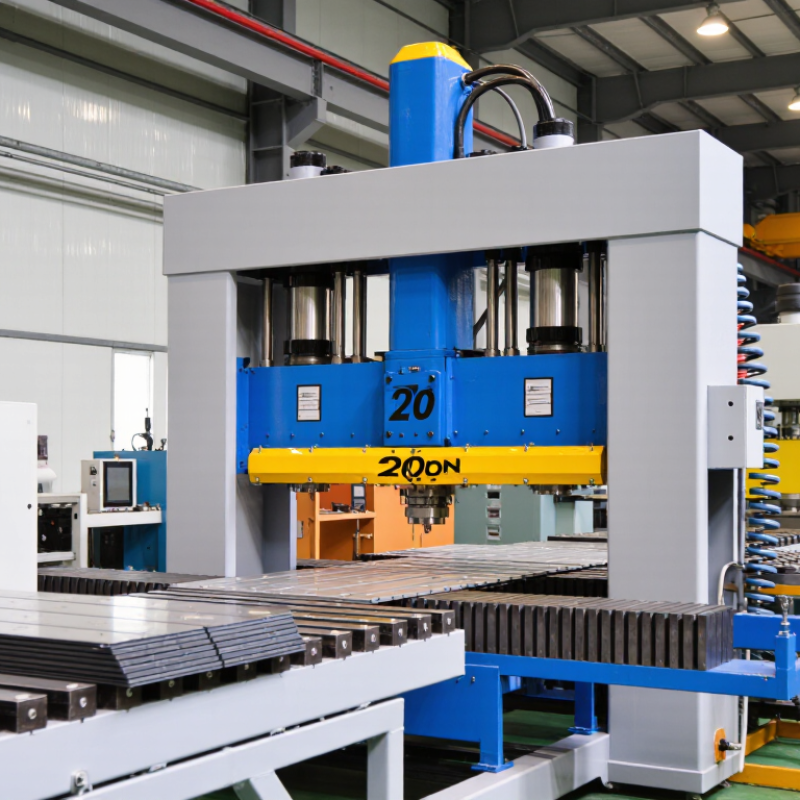
Pneumatic punching machines use compressed air to drive a punch through sheet material. They typically include an air compressor, filter-regulator-lubricator unit, control valve, cylinder, punch, and die. The compressor supplies air, while the valve directs pressure into the cylinder. The piston then moves the punch downward at high speed.
The basic force estimate is simple: cylinder area multiplied by air pressure. A 63-millimeter cylinder at 6 bar can theoretically generate about 1,870 newtons. Real output is lower. Pressure losses, friction, tooling clearance, and poor alignment reduce performance. The calculation is clean. Production is not.
During operation, the punch enters the sheet and shears a slug against the die edge. A return spring or reverse air stroke resets the tool. Correct clearance matters. Excessive clearance creates burrs; insufficient clearance increases wear. The U.S. Department of Energy reports that compressed-air leaks can waste 20–30% of compressor output in poorly maintained systems. That makes leak testing a practical purchasing concern, not a minor maintenance detail. The same guidance recommends checking pressure at the machine, because the compressor gauge may hide line losses. Industry data also shows steel remains a major manufacturing material, with global crude-steel production reaching about 1.89 billion tonnes in 2023, according to World Steel Association figures. Pneumatic punching suits repetitive light- and medium-duty work, but cycle speed should never replace guarding, two-hand controls, and documented risk assessment. A faster machine is not automatically a better machine.
Key Features for Comparing Pneumatic Punching Machines
When comparing pneumatic punching machines, begin with force, stroke length, and working speed. Rated tonnage should match the material, thickness, and hole diameter. A machine operating near its limit may overheat, deform sheets, or shorten tool life. Leave practical capacity margin.
Air quality is equally important. ISO 8573-1 helps buyers specify particle, water, and oil levels. Moisture inside the circuit can mark finished metal and damage valves. The U.S. Department of Energy reports that compressed-air leaks can consume 20–30% of compressor output. Check fittings, hoses, and pressure stability before judging machine performance. Small leaks become expensive.
Safety and service details deserve close inspection. Look for guarded dies, two-hand controls, emergency stopping, and clear access around the work area. Ask for cycle-life data, spare-part availability, and documented testing. A useful comparison includes noise, energy use, footprint, and changeover time. In my experience, a fast machine is not always productive if operators need frequent adjustments. Some published specifications also use ideal laboratory conditions. That weakness matters. Test real sheet samples, measure cycle time, and record air consumption before purchase.
The 10 Best Pneumatic Punching Machines for Global Buyers
The 10 Best Pneumatic Punching Machines for Global Buyers
The 10 best pneumatic punching machines for global buyers are not identical. Each suits a different production need. A compact bench model fits small sheet parts and repair shops. A C-frame machine offers better access for repeated punching. Straight-side designs provide stronger support for thicker materials. Tube, angle, and multi-station models serve more specialized work. Foot-pedal control improves speed, while guarded PLC control supports safer, repeatable cycles. Buyers should compare punching force, throat depth, stroke length, die compatibility, and air consumption before choosing.
The U.S. Department of Energy reports that compressed-air systems can consume about 10% of industrial electricity. Leakage may waste 20% to 30% of compressor output. This makes air efficiency important, not cosmetic. Check the required pressure, flow rate, regulator quality, and recovery time. A machine that punches quickly but demands unstable air can create uneven holes and frustrating downtime. Ask for cycle testing with your actual material.
Market research from Grand View Research places the global metal stamping market in the hundreds of billions of dollars, with continued growth expected through the decade. That growth increases pressure on smaller workshops and large factories alike. My practical concern is simple:
“best” specifications can look impressive on paper.
They may fail under dust, voltage changes, or poorly maintained compressors. Request videos, sample parts, spare-part lists, and service response details. Leave room for doubt. Reliability is often proven after installation, not during a showroom demonstration.
Performance, Safety, and Maintenance Factors to Evaluate
10 Best Pneumatic Punching Machines for Global Buyers
Performance, Safety, and Maintenance Factors to Evaluate
A strong pneumatic punching machine should deliver stable force, repeatable strokes, and clean holes. Check its rated punching capacity, working speed, stroke length, and adjustment range. A machine that runs quickly may still produce uneven holes when the material changes. Test several sheet thicknesses before making a purchase. Measure twice.
Safety deserves equal attention. Look for fixed guards, two-hand controls, emergency stops, and clear operating instructions. The foot pedal should resist accidental activation and remain stable during use. Noise, vibration, and compressed-air leakage also affect operator comfort. Requirements differ by market, so buyers should verify local workplace rules and electrical specifications. Never treat a safety label as a substitute for practical risk assessment.
Tips
Inspect the air filter and regulator every day. Drain moisture from the compressor system before it reaches the machine. Listen for a sharp hiss around fittings, then check seals and hoses. Lubricate moving parts according to the service manual, not guesswork. Keep punches and dies aligned, because small misalignment can damage edges and increase wear. Maintenance records may seem excessive, but they reveal recurring faults. I have found that many performance problems begin with poor air quality, not weak machine design. Still, inspection routines are not perfect; rushed shifts can leave hidden wear unnoticed. Rotate operators through brief safety checks, and review the process when defects or near misses appear.
10 Best Pneumatic Punching Machines for Global Buyers — Performance, Safety, and Maintenance Factors to Evaluate
The chart compares ten anonymized pneumatic punching machine profiles using a 100-point evaluation model. Performance combines punching force, rated strokes per minute, and repeatability; safety covers guarding, two-hand control, emergency stopping, and air-failure protection; maintenance reflects accessibility, lubrication needs, and recommended service intervals. Higher scores indicate a more favorable overall evaluation.
Benchmark basis: typical industrial pneumatic punch specifications, including 20–80 kN punching force, 40–180 strokes per minute, guarded tooling, emergency-stop requirements, and scheduled lubrication or inspection intervals. Scores are normalized for comparative procurement screening and should be verified against supplier test data before purchase.
How to Choose the Right Machine for Your Market and Materials
10 Best Pneumatic Punching Machines for Global Buyers
How to Choose the Right Machine for Your Market and Materials
Choosing a pneumatic punching machine starts with the material, not the advertised tonnage. Paper, leather, rubber, and thin metal each require different punching force and tooling. Test a real sample before ordering. A clean catalog photo cannot reveal tearing, edge deformation, or uneven holes.
Check the machine’s air requirement against your workshop compressor. A unit needing 0.6 MPa may perform poorly with unstable pressure. Confirm hole diameter, stroke length, cycle speed, and maximum sheet thickness. For humid markets, inspect cylinder seals and exposed metal surfaces carefully. Corrosion can shorten service life quickly.
Market conditions also influence the right configuration. Confirm electrical compatibility, spare-part access, operator training, and local machine-safety requirements. Ask for operating manuals, maintenance intervals, noise data, and documented performance tests. I have seen buyers choose higher speed, then lose production because the compressor could not keep up. More power is not always better. A smaller machine may deliver steadier results for light materials and limited workshop space. Still, sample testing should include the exact stack height, temperature, and daily workload. My first estimate is often too optimistic when material variation is high. Leave room for that mistake.