



How to Buy Second Hand Industrial Equipment from China?
Buying second hand industrial equipment from China can reduce capital costs, shorten project timelines, and support practical factory upgrades. Yet the lower price is not the whole story. A used CNC machine, packaging line, compressor, or injection molding system may look attractive in photographs, but its real value depends on condition, history, compatibility, and after-sales support.
This guide explains how to evaluate second hand industrial equipment with a professional and cautious approach. It covers supplier verification, machine records, operating hours, maintenance history, video inspections, spare parts, payment terms, and export preparation. Ask for the model plate, serial number, electrical specifications, and recent test footage. A clear video should show startup behavior, noise, vibration, temperature readings, and production performance. Small details matter. Rust around hydraulic fittings may signal deeper neglect. Missing guards can indicate poor maintenance or incomplete equipment.
Experienced buyers also compare total cost, not only the quoted price. Freight, insurance, dismantling, installation, rewiring, tooling, taxes, and technician visits can change the final budget quickly. Independent inspection is often worthwhile, especially for expensive or complex machinery. A supplier may be genuine, but genuine does not always mean suitable. That distinction is easy to miss.
Some decisions will remain imperfect. A machine may have limited records but excellent performance during testing. Another may appear clean yet hide expensive repairs. Reliable purchasing requires documented evidence, realistic risk assessment, and clear communication with the seller. With careful verification and responsible sourcing, second hand industrial equipment can become a dependable asset rather than an expensive experiment.
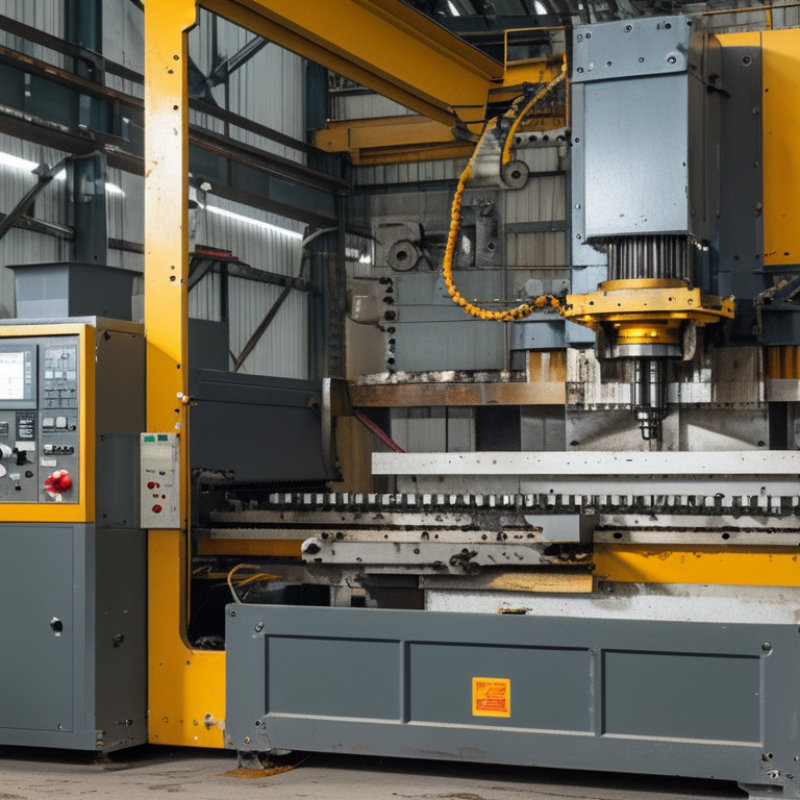
Define Your Equipment Needs and Buying Requirements
Before requesting quotations, define output, material, tolerance, cycle time, and expected annual hours. Record voltage, frequency, phase, air pressure, footprint, and floor load. A 380V, 50Hz machine may not suit a 60Hz workshop without approved engineering changes. Measure the doorway too.
Energy deserves attention. The International Energy Agency’s Energy Efficiency 2023 report states that motor-driven systems consume nearly half of global electricity. Therefore, compare motor ratings, standby consumption, and expected operating hours, not only the purchase price. Deloitte’s 2024 Smart Manufacturing and Operations Survey found that 86% of manufacturers consider smart manufacturing important to competitiveness. Specify control systems, software versions, data interfaces, and legally transferable licenses. Keep it measurable.
For a used machine, request the serial plate, maintenance records, running-hour evidence, and recent test videos. Ask the seller to demonstrate the machine under load, using your target material when possible. Inspect guideways for scoring, hydraulic fittings for fresh oil, and electrical cabinets for heat damage. A fresh repaint can hide corrosion. I have seen buyers overlook floor loading, then face expensive reinforcement work. That mistake is avoidable.
Write acceptance criteria before payment. Include dimensional accuracy, noise, temperature, accessories, spare parts, packaging, and commissioning support. Ask for photographs with a current date and a visible serial number. Consider a third-party inspection, especially when the equipment’s history is incomplete. Perfect records are rare. Clear evidence is not.
How to Buy Second Hand Industrial Equipment from China? - Define Your Equipment Needs and Buying Requirements
| Requirement Area | Equipment Data Dimension | Recommended Buyer Specification | Information to Request from the Seller | Verification Method Before Purchase | Priority |
|---|---|---|---|---|---|
| Application | Production process and intended use | Describe the exact process, material, product size, required output, and operating hours per day. | Original application, previous production material, operating history, and reason for sale. | Compare the equipment’s rated capability with the buyer’s process requirements and sample workpieces. | High |
| Capacity | Output rate and working range | Define target output, such as units per hour, tonnes per hour, cutting length, pressing force, or maximum workpiece dimensions. | Rated capacity, actual recent output, maximum and minimum working dimensions, and duty cycle. | Request production records and conduct a witnessed test using material similar to the buyer’s application. | High |
| Technical Configuration | Main machine type and operating principle | Specify the required equipment category, process method, automation level, and acceptable alternative configurations. | Complete technical description, machine layout, operating sequence, and included modules. | Match the specification sheet, photographs, video, and nameplate data with the physical equipment. | High |
| Dimensions | Overall size and installation footprint | Reserve space for the machine, maintenance access, material flow, ventilation, and safe operator movement. | Overall length, width, height, working height, foundation requirements, and maintenance clearance. | Use a verified dimensional drawing and measure critical points during inspection. | High |
| Weight and Handling | Net weight, gross shipping weight, and lifting points | Confirm the available lifting equipment, floor loading capacity, container limitations, and unloading method. | Machine weight, packed dimensions, center of gravity, lifting instructions, and dismantling requirements. | Compare the data with the site’s crane, forklift, loading dock, and floor specifications. | High |
| Electrical Compatibility | Voltage, frequency, phase, and connected load | Match the machine with the destination electrical supply. Equipment in China commonly uses 50 Hz power; voltage and phase must be confirmed for the destination. | Voltage, frequency, number of phases, rated current, motor power, control-panel details, and wiring diagrams. | Check the nameplate, test the electrical cabinet, and obtain confirmation from a qualified electrician. | High |
| Utilities | Compressed air, water, gas, hydraulics, or extraction | Define pressure, flow rate, temperature, cleanliness, connection size, and consumption limits for each utility. | Utility consumption, connection points, filtration requirements, cooling requirements, and included accessories. | Compare measured operating values with the buyer’s available utilities and installation drawings. | High |
| Condition | Age, operating hours, maintenance status, and wear level | Set an acceptable maximum age and operating-hour range according to the equipment’s duty, technology, and replacement cost. | Manufacturing year, serial or asset number, operating-hour counter, service history, repair records, and replaced parts. | Inspect high-wear components, guides, bearings, seals, electrical parts, hydraulic systems, and corrosion. | High |
| Performance | Accuracy, repeatability, speed, and product quality | State measurable acceptance limits, such as dimensional tolerance, cycle time, surface quality, or reject rate. | Previous inspection reports, calibration records, sample results, alarm history, and actual test performance. | Perform a pre-shipment inspection and compare test results with the agreed acceptance criteria. | High |
| Control System | Controller, software, interface, and data access | Specify required language, user access level, program backup method, data format, and compatibility with existing systems. | Software version, parameter backup, passwords or access policy, manuals, alarm list, and available communication interfaces. | Power on the system, test operating modes, back up parameters, and verify that essential functions work. | High |
| Safety | Guards, emergency stops, interlocks, and safety documentation | Require functioning guards, emergency-stop devices, warning labels, and safety instructions suitable for the destination workplace. | Risk information, safety manual, electrical diagrams, emergency-stop layout, and records of safety modifications. | Conduct a safety-function test and review compliance with applicable destination-country regulations. | High |
| Compliance | Import, electrical, environmental, and workplace requirements | Identify required customs documents, conformity documentation, emissions controls, and local installation obligations before ordering. | Commercial invoice, packing list, country of origin, equipment description, technical file, and available conformity documents. | Confirm requirements with the destination customs authority, freight forwarder, and qualified compliance professional. | High |
| Documentation | Manuals, drawings, parts lists, and maintenance records | Require complete operating, maintenance, electrical, pneumatic, hydraulic, and parts documentation in an understandable language. | Original manuals, wiring diagrams, hydraulic diagrams, parts catalogue, lubrication schedule, and inspection records. | Review the documents before payment and verify that document versions match the equipment being sold. | High |
| Spare Parts | Availability of wear parts and critical components | Prepare a start-up spare-parts list covering filters, seals, belts, tooling, sensors, fuses, lubricants, and other wear items. | Part numbers, current stock status, recommended quantities, lead times, and storage requirements. | Check whether critical parts are still commercially available and obtain prices before finalizing the purchase. | Medium |
| Inspection | Pre-purchase and pre-shipment inspection scope | Define inspection checkpoints, functional tests, documentation review, cosmetic condition, and acceptable defect limits. | Inspection location, available test materials, test duration, video evidence, and access for an independent inspector. | Use an independent inspection service or a qualified technical representative before shipment. | High |
| Commercial Terms | Price, payment stages, warranty, and remedies | Separate equipment price, refurbishment cost, packing, inland transport, export handling, freight, insurance, duties, and installation. | Detailed quotation, payment schedule, warranty period, exclusions, delivery time, and remedy for failed acceptance tests. | Put all technical specifications and acceptance conditions into the written purchase contract. | High |
| Shipping | Packaging, export preparation, and delivery term | Select an appropriate Incoterms® 2020 rule and define responsibility for export clearance, freight, insurance, unloading, and import clearance. | Packing method, moisture protection, fumigation or wood-packaging treatment information, shipment dimensions, and proposed delivery term. | Approve packing photographs and verify shipping documents before release of the final payment. | High |
| Installation | Assembly, commissioning, training, and site preparation | Define who is responsible for installation, alignment, calibration, operator training, utilities, tools, and travel costs. | Installation procedure, foundation drawing, commissioning checklist, training hours, and remote-support arrangements. | Use a signed commissioning report that records achieved performance and unresolved issues. | Medium |
| Risk Control | Payment security and dispute resolution | Use staged payments linked to document approval, inspection, successful testing, and shipment milestones. | Legal entity details, bank-account consistency, contract jurisdiction, dispute process, and refund or repair obligations. | Verify the seller’s legal and banking information through independent records and avoid undocumented payment changes. | High |
| Acceptance Criteria | Final definition of a conforming machine | Write measurable criteria for capacity, accuracy, safety, completeness, appearance, documentation, and delivery condition. | Signed technical annex, test protocol, defect classification, correction deadline, and final acceptance procedure. | Release final acceptance only after the equipment passes the agreed tests and all required documents are received. | High |
Note: Technical values should be adapted to the specific machine, destination-country regulations, site conditions, and intended production process before placing an order.
Related Posts
-

2026 Best Second Hand Industrial Equipment for Global Buyers?
-
Top 5 Second Hand Industrial Equipment Options for Your Business Needs
-
Best Recycling Machinery for Efficient Waste Management Solutions?
-

How to Find the Right Machinery Partner?
-

2026 How to Choose the Right Earth Moving Equipment?
-

Why Choose a Heavy Equipment Trader for Your Construction Needs?