



7 Tips for Buying at a CNC Machine Auction
Buying used production equipment can stretch a budget, but the auction price is only part of the decision. A CNC machine auction may offer machines with valuable capabilities, yet listings can leave important details unclear. A photograph cannot confirm spindle condition, control-system performance, or how consistently the machine was maintained. That gap matters. Review the specifications against the work you actually plan to run, including materials, tolerances, and production volume. Ask for service records, operating hours, and clear photos of the machine’s interior, controls, and tool holders. If an inspection is available, look for leaks, unusual wear, damaged covers, and signs of rough operation. Bring a qualified technician when practical. Small details matter.
Before bidding, calculate the full cost of getting the machine into service. Include the buyer’s premium, taxes, rigging, transport, installation, tooling, and any electrical or software work. Confirm what is included, and ask how the equipment can be tested before the sale. A running demonstration may reveal issues that a listing does not. Set a firm maximum bid based on condition and realistic repair estimates, not on excitement in the auction room. Do not assume that a low price means a good deal. No checklist removes every doubt. Even a careful inspection may miss a costly problem, so leave room in your budget for uncertainty. These seven tips can help you compare machines more carefully, ask better questions, and make a decision that fits your shop’s needs—not just the appeal of a winning bid.
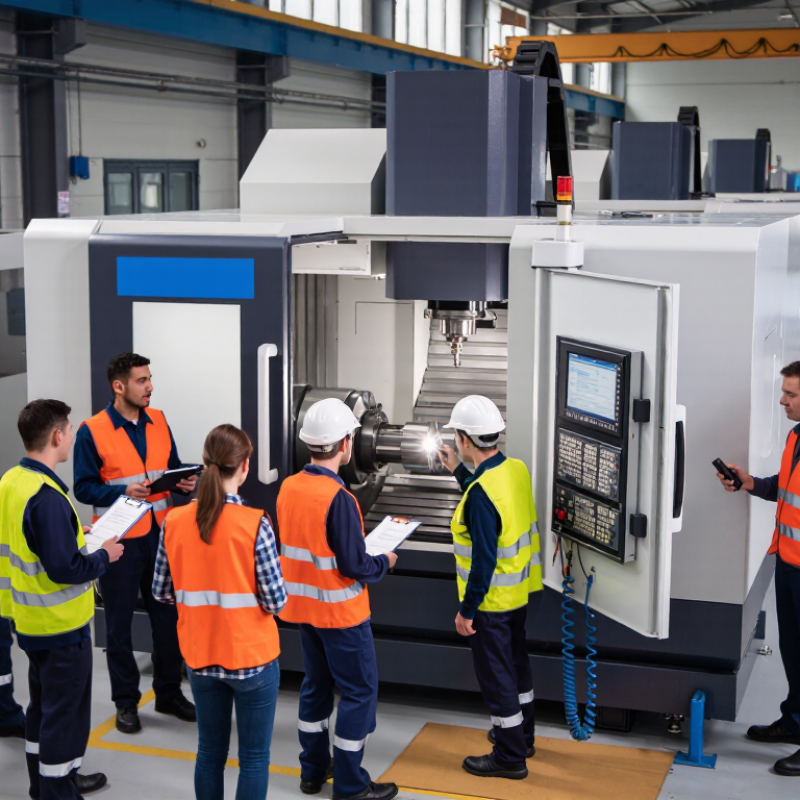
Define Your Production Needs and Set a Realistic Budget
Before bidding, write down what the machine must produce. Note the materials, part dimensions, tolerances, and expected weekly output. A machine that looks powerful may still lack the travel, spindle speed, or tool capacity your jobs require. Be specific. Bring a sample drawing or a list of representative parts, and compare it with the machine’s documented specifications. Auction descriptions can be brief, so verify details where possible.
Set a ceiling based on the total cost of getting the machine into production, not just the winning bid. Include buyer fees, inspection, rigging, freight, installation, tooling, and any electrical work. Then allow for repairs and unexpected delays. Leave room for them. A low purchase price can become expensive if a control fault or worn spindle keeps the machine idle. If service records are unavailable, treat that uncertainty as a cost, not a minor detail. Your estimates will not be perfect; mine wouldn’t be either. Revisit them after inspecting the machine and checking what your shop already owns. A realistic budget may also mean walking away when bidding passes your limit.
7 Tips for Buying at a CNC Machine Auction - Define Your Production Needs and Set a Realistic Budget
Use this planning table to match a machine to your actual work, estimate the full purchase cost, and prepare for inspection before bidding. Sample figures are illustrative; verify specifications, condition, and local costs for each listing.
| Tip | What to Define | Practical Planning Example | Auction Check |
|---|---|---|---|
| 1. List the parts you need to make | Material, part dimensions, tolerances, and expected part mix. | For aluminum housings up to 300 × 200 × 150 mm, confirm the machine can accommodate the workpiece, fixture, and tool clearance. | Compare the machine’s working envelope with the largest planned part and its required setup—not just the part’s bare dimensions. |
| 2. Estimate production volume | Monthly quantity, batch size, shifts, and acceptable cycle time. | At 400 parts per month and 20 production days, the average requirement is 20 parts per day. Include setup and inspection time in capacity estimates. | Ask for a demonstration or cycle-time records where available. Do not assume the seller’s stated rate matches your tooling, material, or process. |
| 3. Match machine type and capacity | Required operations, axes, spindle capability, tool capacity, and workholding. | A three-axis vertical machining center may suit many prismatic components; complex multi-side work may require additional axes or planned repositioning. | Verify axis travel, spindle taper, speed range, tool changer capacity, table load, and included accessories against your process plan. |
| 4. Check utilities and installation needs | Electrical supply, floor space, access, foundation, coolant, and compressed air requirements. | Record the machine’s nameplate voltage, phase, current, dimensions, and weight. Arrange a route for rigging and transport before bidding. | Confirm facility compatibility and obtain written estimates for disconnecting, lifting, loading, freight, and recommissioning. |
| 5. Inspect condition and service history | Operating status, maintenance records, control condition, and wear indicators. | Budget for an independent inspection if machine condition cannot be demonstrated under power. Check alarms, axis movement, spindle operation, and visible damage. | Review the auction’s inspection rules and sale terms. Treat “as-is” equipment as a condition risk unless tested and documented. |
| 6. Build a complete landed-cost budget | Hammer price plus buyer’s premium, taxes, rigging, freight, installation, tooling, and repairs. | Example planning worksheet: $30,000 bid + $3,000 premium + $2,000 transport + $4,000 installation = $39,000 before taxes, tooling, or repairs. | Use the auction’s actual premium and payment terms. Get current quotes and keep a contingency reserve based on inspection findings. |
| 7. Set a firm maximum bid | The highest bid that keeps total acquisition cost within your approved budget. | If the all-in budget is $40,000 and known non-bid costs are $9,000, the bid limit must be below $31,000 if additional fees or risk remain. | Calculate the bid ceiling before the auction, account for percentage-based fees, and stop when the ceiling is reached. |
Budget reminder: Auction prices and machine condition vary substantially. Confirm all specifications, fees, taxes, operating requirements, and removal deadlines directly from the sale documents before bidding.
Related Posts
-
7 Best CNC Machine Auction Sites for Global Buyers?
-
7 Tips for Finding the Best CNC Machine Auction
-
Top 5 CNC Machine Auctions in 2023: Unlocking Huge Savings and Opportunities
-
2026 How to Choose the Right Plastic Extruder Machine for Your Needs?
-

2026 How to Choose the Best Plant Machinery for Your Projects?
-
China Top Plant Machinery Suppliers for Global Buyers