

Choosing the right Galvanized Coil for your project can be challenging. With various options available, each has its unique benefits. Understanding how to differentiate between them is crucial for achieving your desired results.
Galvanized Coils are essential in many industries, from construction to manufacturing. Their corrosion resistance is a key feature, making them reliable for long-term use. Yet, not all galvanized materials are created equal. Some may not meet the specific standards required for your project. This can lead to unexpected complications.
To make an informed choice, consider your project’s needs carefully. Will the coil be exposed to harsh conditions? What thickness is required? These questions can guide you. Reflect on the potential impact of using the wrong type. It may cost more in the long run. Taking the time to research can save you trouble and financial loss. Your choice of Galvanized Coil matters greatly.
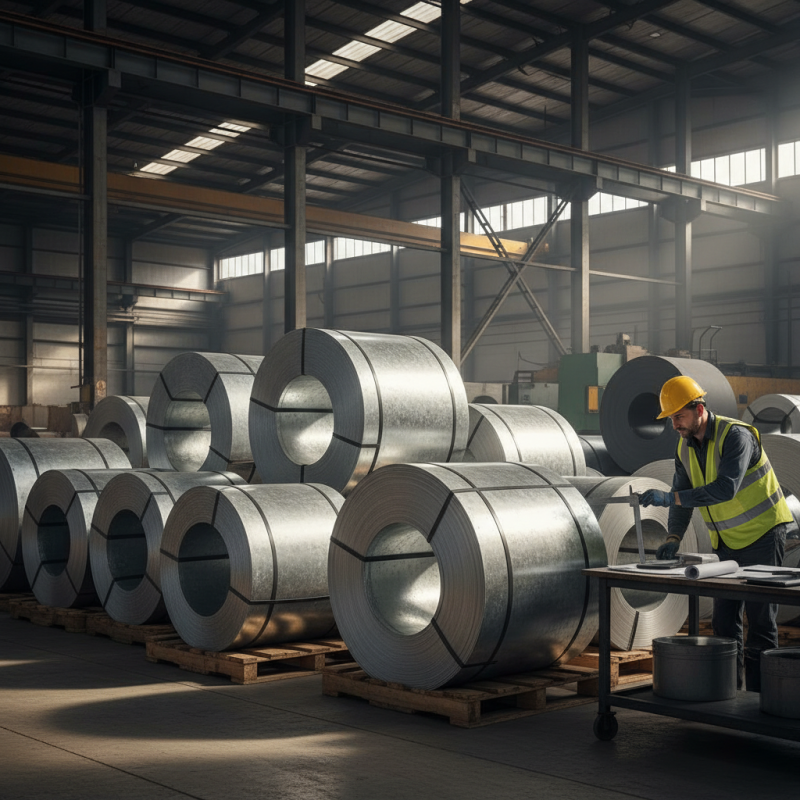
When selecting galvanized coils, it's important to understand their fundamental properties. Galvanized coils are coated with zinc to protect against corrosion. This makes them ideal for various applications, especially in outdoor environments. The thickness of the zinc layer affects durability and longevity.
Different grades exist in the market. Common types include electro-galvanized and hot-dipped galvanized coils. Electro-galvanized coils have a thinner zinc layer. They offer good protection but might not endure harsh conditions. Hot-dipped galvanized coils provide thicker protection; they can resist severe weathering but may be more costly.
It's crucial to know the intended use before choosing a coil. Consider environmental factors like humidity or exposure to chemicals. Evaluating these aspects could save time and money later. However, overthinking can lead to delays. Some projects may require a balance between cost and performance. Hence, understanding your project's specific needs is essential for making informed choices.

When selecting the best galvanized coil for your project, consider several key factors. Thickness is essential. It often determines the coil's durability and application suitability. Typically, galvanized coils range from 0.3 mm to 3 mm in thickness. Choose based on the project's structural requirements. A thinner coil may suffice for lightweight applications, while heavier duties demand thicker materials.
Surface finish is another critical aspect. Galvanized coils can have different finishes, from matte to shiny. The right finish affects corrosion resistance. According to industry data, a smooth finish often enhances paint adhesion, making it ideal for aesthetic projects. However, some rough finishes can offer better grip for mechanical applications.
Lastly, coating weight plays a role in longevity. Coating weight, measured in grams per square meter (g/m²), affects resistance to corrosion. Typically, a higher coating weight (like 275 g/m²) ensures better protection in harsh environments. It’s crucial to balance cost and performance. Sometimes, a lower coating might be economical but could lead to expensive repairs later. Always visualize the project’s long-term needs to make the best decision.
When selecting galvanized coils for your project, it's essential to understand key factors that affect their use, such as thickness, coating weight, and yield strength. The chart below illustrates the average performance metrics of different galvanized coils based on these factors.
When selecting galvanized coils for your project, evaluating thickness and coating is essential. The thickness of the steel determines its strength and durability. Typically, thicker coils can withstand harsher environments. Reports indicate that the most common thickness ranges from 0.40mm to 3.0mm. Choosing the right thickness impacts the coil's performance and lifespan.
Coating is equally important. Zinc coatings protect against corrosion. The coating thickness is measured in grams per square meter. Most standard coatings fall between 60 to 120 G/M². A thicker coating often means better corrosion resistance. However, it can also increase costs. Balancing these factors is crucial for project success.
Tips: Always consult technical data sheets. They provide vital information on coating standards and thickness recommendations. Think about your project’s specific environment when making decisions. Consider possible imperfections in coating applications. These considerations can come back to affect long-term performance. Always ponder if a thicker dimension truly fits your project requirements.
Choosing the right galvanized coil for your project is crucial. Understanding the application requirements helps make informed decisions. Consider the environment where the material will be used. Factors like humidity, temperature, and potential exposure to chemicals affect performance.
Tip: Analyze your project's specific needs. Do you need corrosion resistance? Identify the level of durability required. Different coatings and thicknesses are available. They vary in protection and longevity. Each application may demand a unique combination of features.
The dimensions of the coil also matter. Measure your project's specifications carefully. A common mistake is underestimating the size needed. Err on the side of caution; larger coils can be trimmed down. However, smaller coils may not meet your needs.
Tip: It’s wise to start with a sample. Testing a small section can reveal potential issues. Reflect on how the coil performs in your specific conditions. Sometimes, what looks good on paper fails in real life. Pay attention to these details for a successful project outcome.
When selecting galvanized coils, it’s vital to evaluate different suppliers. Not all suppliers offer the same quality or specifications. You may find variations in thickness, width, and the coating process. Some coils might be better suited for different applications.
Consider the specific needs of your project. Are you focused on durability or cost-effectiveness? Some suppliers might provide cost-effective options but compromise on quality. You should also think about the delivery time. Delays can disrupt your timeline.
Always request samples when possible. A physical inspection can offer insights that specifications may not reveal. It’s essential to reflect on the long-term implications of your choice. Does the chosen coil meet your project requirements? Keep in mind that not every option may be perfect; learning from experience is key.
| Supplier Type | Thickness (mm) | Width (mm) | Coating Weight (g/m²) | Price per Ton ($) | Lead Time (Weeks) |
|---|---|---|---|---|---|
| Domestic | 0.5 | 1000 | 275 | 950 | 4 |
| International | 0.6 | 1200 | 300 | 880 | 6 |
| Recycled | 0.4 | 800 | 150 | 720 | 5 |
| Premium | 0.8 | 1500 | 350 | 1000 | 3 |
