

...

How to Choose the Best Silicone Heat Shrink Tube for Your Needs?

When it comes to selecting the right silicone heat shrink tube, an informed decision is essential. Silicone heat shrink tubes are versatile components used in various applications. They provide electrical insulation, protection, and strain relief. However, not all products are created equal. Choosing the wrong type can lead to performance issues.

Consider factors such as temperature rating, size, and shrink ratio. The right silicone heat shrink tube should fit snugly over the application. It's important to assess the environment it will be exposed to. This includes extreme temperatures, moisture, or chemicals. Using subpar products can result in premature failure.

It's also worth noting that while many options exist, quality varies widely. Some tubes may not offer the advertised benefits. Researching reputable brands can save you time and money. Always read reviews and consider expert recommendations. By being thoughtful and discerning, you can make a sound choice that meets your needs.
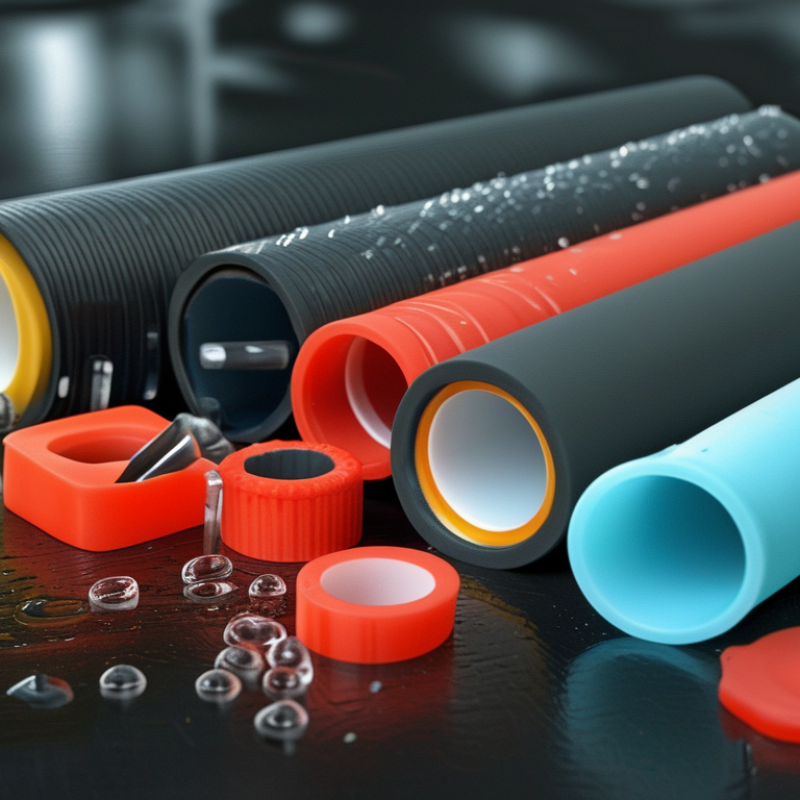
How to Choose the Best Silicone Heat Shrink Tube for Your Needs?

Understanding Silicone Heat Shrink Tubes and Their Applications

Silicone heat shrink tubes are essential in various applications. They provide insulation and protection to wires and cables. Their flexibility and durability make them suitable for harsh environments. Silicone tubes can withstand extreme temperatures and resist moisture. This makes them ideal for both automotive and electronic applications. They help prevent wear and damage, extending the lifespan of components.

When selecting silicone heat shrink tubes, consider the specific needs of your project. Think about the temperature range and the environment. For instance, marine applications may require high resistance to saltwater. Additionally, check the inner diameter of the tube before purchase. A snug fit is crucial for effective shrinkage.

Tips: Always test the shrinkage rate of a sample tube before committing to a bulk order. This ensures that the tube will fit your needs perfectly. Keep in mind that not all silicone tubes have the same properties, so read the specifications carefully. Don't overlook the importance of thickness; a thicker tube may provide better insulation and protection in some cases.

Factors to Consider When Selecting Silicone Heat Shrink Tubes

When selecting silicone heat shrink tubes, several factors play a vital role. One key consideration is temperature rating. Silicone materials typically withstand temperatures ranging from -50°C to 200°C. Knowing the temperature requirement of your application is essential for durability. Many reports suggest using tubes with higher maximum temperatures for improved reliability.

Another factor is the shrink ratio. Most silicone heat shrink tubes feature a shrink ratio of 2:1 or 3:1. For intricate applications, a smaller ratio might provide a better fit. Choosing the appropriate shrink ratio can prevent issues such as overheating or insufficient insulation. In fact, up to 30% of installation failures are attributed to improper sizing, so measurements should not be overlooked.

Additionally, consider compatibility with various chemicals. Silicone tubes resist many solvents and oils, which enhances their versatility. However, they may not stand up to certain aggressive chemicals. According to industry data, using tubes incompatible with fluids can lead to significant failures. Regularly evaluating the specific needs of your projects ensures optimal performance and reliability.

Different Types of Silicone Heat Shrink Tubes Explained

Silicone heat shrink tubes come in various types, catering to different applications. One key type is the standard heat shrink tube. It offers excellent electrical insulation and is widely used in electronics. This type shrinks when heated, forming a tight seal around wires and connections. However, not all standard tubes are the same. They vary in thickness and diameter, so selecting the right size is crucial.

Another type is the adhesive-lined heat shrink tube. This variety contains adhesive that melts when heated, providing a waterproof seal. It is ideal for outdoor applications or anywhere moisture is a concern. Yet, be cautious; if overheat, the adhesive can leak out, leading to mess or reduced protection. Proper temperature control during application is essential to avoid such mishaps.

You might also encounter dual-wall heat shrink tubing. It combines a standard layer with an inner adhesive layer. This offers both insulation and sealing properties, ideal for complex wiring setups. However, it can be tricky to work with; excessive heat can cause distortion. Understanding these nuances will help in choosing the right product for your project.

Sizing Guidelines for Silicone Heat Shrink Tubes

Choosing the right size of silicone heat shrink tube is crucial for effective protection and insulation. The right sizing ensures that the tube fits snugly over the wire or component, providing a reliable barrier against moisture, dust, and corrosion. Industry studies show that oversized tubes can lead to poor heat retention, while undersized tubes may not properly shrink, compromising protection.

When selecting silicone heat shrink tubing, consider the diameter and shrink ratio, which typically ranges from 2:1 to 4:1. According to the IEC 60216-1 standard, the minimum shrink percentage must be achieved for optimal performance. Accurate measuring is essential; using calipers can enhance precision. Commonly, a good rule of thumb is to choose a tube with a diameter 20-30% larger than the wire diameter.

Additionally, the length of the tube should account for the coverage area. Ensuring adequate overlap at both ends helps prevent exposure. Misjudging the length can result in inadequate insulation, exposing components to environmental factors. Selecting the right size involves multiple factors, requiring careful consideration and sometimes trial and error.

Evaluating Quality and Performance of Silicone Heat Shrink Tubes

When evaluating the quality and performance of silicone heat shrink tubes, several factors come into play. The material should be flexible, durable, and resistant to extreme temperatures. Look for tubes that maintain their integrity after repeated exposure to heat. Consider how the tubing behaves under stress or when tightly shrunk around different components. If a tube cracks or loses its shape easily, it might not meet your needs.

Another aspect to assess is the shrink ratio. A higher shrink ratio means greater versatility in applications. A tube that shrinks down to a smaller diameter can accommodate various wire sizes. Additionally, the clarity of the tubing plays a role in visibility and inspection of the housed components. Many users find that transparent tubes aid in troubleshooting.

Test some samples to see how they perform under actual conditions. Pay attention to how they react when exposed to moisture or oil. These real-world applications can reveal potential weaknesses that may not be apparent during initial evaluation. It’s essential to reflect on your specific requirements to make the best choice.

How to Choose the Best Silicone Heat Shrink Tube for Your Needs? - Evaluating Quality and Performance of Silicone Heat Shrink Tubes

Diameter (mm) Shrink Ratio Operating Temperature (°C) Material Properties Applications
2.0 2:1 -55 to 125 Flexible, good insulation Wire harnessing, electronic components
4.0 3:1 -55 to 135 Flame retardant, chemical resistant Automotive, marine
6.0 2:1 -40 to 125 High elasticity, UV resistant Electrical insulation, DIY projects
10.0 4:1 -55 to 150 Excellent adhesion, durable Heavy-duty applications, aerospace
12.0 3:1 -40 to 130 Waterproof, anti-aging Submarine cables, outdoor installations