

...

How to Choose the Best Aluminum Composite Panel Factory?

Choosing the right Aluminum Composite Panel Factory can shape a project’s safety, appearance, and long-term maintenance costs. A polished website is not enough. The factory should demonstrate consistent production, transparent communication, and verifiable technical capability.

Look beyond product photographs. Ask how aluminum coils are inspected, how core materials are controlled, and how coating thickness is measured. A reliable manufacturer can provide technical data sheets, sample panels, inspection records, and relevant test reports. Factory experience also matters. Projects involving curtain walls, signage, interior partitions, and exterior façades require different performance considerations. Speaking with technical staff may reveal more than a sales brochure.

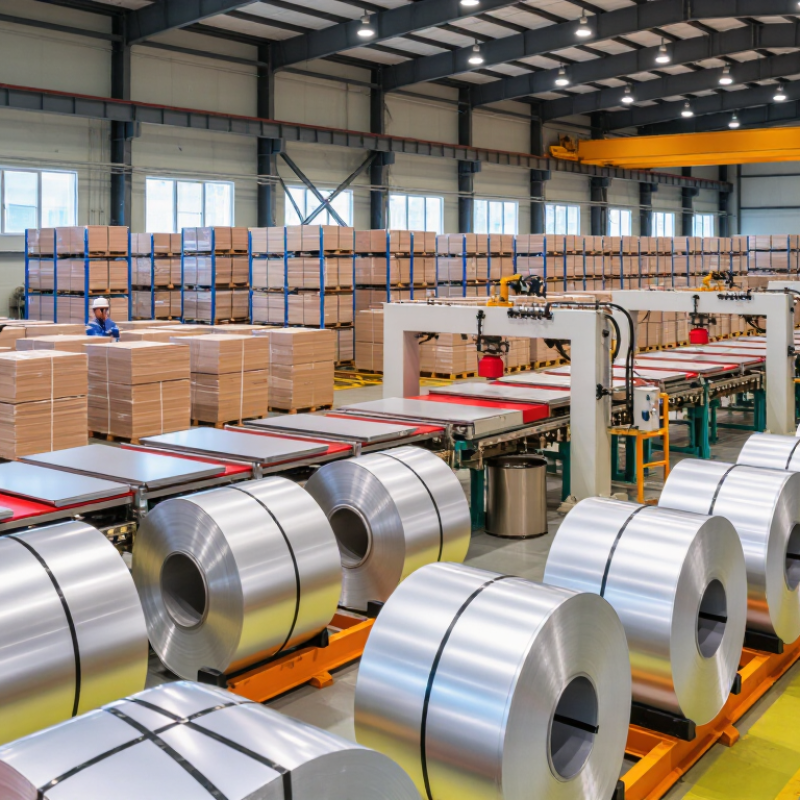
Visit the production line when possible. Notice whether raw materials are labeled, storage areas are dry, and finished panels are protected from scratches. Check the coating equipment, lamination process, cutting accuracy, and packaging methods. Small details often expose larger weaknesses. No factory is perfect. Even experienced suppliers may have delayed responses, inconsistent samples, or unclear quality responsibilities. These issues deserve careful questioning, not automatic rejection.

A dependable Aluminum Composite Panel Factory should explain its quality controls in practical language. It should also acknowledge product limitations instead of promising universal performance. Confirm lead times, customization capabilities, warranty terms, and after-sales support before signing an agreement. Independent testing and clear contractual specifications add further confidence. The final decision should balance price, proven experience, material performance, and communication reliability. Cheap panels can become expensive when color variation, peeling, or dimensional errors appear on site. Careful evaluation protects both the project and the reputation of everyone involved.
How to Choose the Best Aluminum Composite Panel Factory?

Define Your Aluminum Composite Panel Project Requirements

Before contacting an aluminum composite panel factory, define where and how panels will perform. Record building height, facade area, panel lengths, joint layout, and substrate conditions. Measure twice.

Note climate exposure, wind loads, humidity, salt, temperature changes, and cleaning routines. A coastal wall needs different protection than an interior retail display. Specify the core, skin thickness, coating system, color tolerance, gloss level, surface texture, and expected service life. Request product data, fire-performance reports, coating test results, and installation guidance from recognized laboratories or authorities. Requirements should match local building codes and the project engineer’s calculations.

Draw a simple elevation showing corners, reveals, windows, bends, and access points. List standard and custom panel sizes separately. This helps a factory estimate material yield, lead time, packaging, and replacement panels. Include acceptable flatness, color variation, protective-film limits, and inspection procedures. Small details prevent arguments later. Do not choose by price alone. A lower quote may exclude testing, edge treatment, or safe packing. Ask for a physical sample, not just a digital image. Screens can hide texture differences. Allow realistic tolerances. Perfect alignment is rarely achieved on uneven structures. I once underestimated installation access; the panels were correct, but handling became slow and expensive. Review that risk before approval. Share drawings, quantities, schedule, and maintenance expectations with shortlisted factories. Clear requirements make technical comparisons fairer and factory advice more dependable.

Compare Factory Materials, Core Options, and Production Standards

When selecting an aluminum composite panel factory, examine materials before discussing prices. Start with the aluminum alloy, thickness, and surface coating. Ask for batch records and technical data sheets. Surface coating matters. Inspect panels under natural light. Uneven color, pinholes, or rough edges indicate weak process control. A glossy sample can mislead. Compare coating thickness, color consistency, and protective film adhesion. Request test reports from independent laboratories, not only internal documents.

Core selection should match the building’s use and risk level. Polyethylene cores may suit general applications, while fire-retardant or mineral cores offer stronger fire performance. Confirm core density, bonding strength, moisture resistance, and dimensional stability. Production standards also deserve close attention. Check whether the factory follows documented procedures for lamination, curing, cutting, and quality inspection. Verify the referenced standards and their current editions. Ask how rejected panels are recorded and corrected. Small gaps in records can reveal larger reliability problems. I would not rely on a certificate alone.

Tips: Visit the production line if possible. Watch how materials are stored, labeled, and protected from dust. Request samples from different batches and compare their dimensions. Ask workers how they handle coating defects. Their answers may expose practical weaknesses. Also, allow room for doubt; even a well-organized factory can make occasional mistakes. Reliable suppliers explain those mistakes clearly and show corrective evidence.

Evaluate Manufacturing Equipment, Quality Control, and Certifications

Choosing the best aluminum composite panel factory requires more than comparing product photos. Examine the production line in person, if possible. Check whether coil coating, lamination, trimming, and curing equipment are maintained regularly. Clean rollers and stable temperature controls often reveal more than impressive showroom samples. Ask for maintenance records and recent production data.

Quality control should be visible at each stage. Inspect incoming aluminum, core material, coating thickness, panel flatness, color consistency, and peel strength. A reliable factory should use calibrated gauges and retain test results by batch.

Request sample panels from different production dates. One perfect sample proves little. Ask how defects are isolated, recorded, and corrected. Small scratches can become major installation problems.

Certifications add confidence, but they are not automatic proof of quality. Verify the certificate number, issuing body, scope, and expiration date. Confirm that the documents cover the actual factory and relevant panel products. Fire performance, environmental management, and quality management certifications may matter for different projects.

During audits, compare paperwork with floor practices. A missing label or handwritten inspection note deserves a question, not an accusation. No factory operates perfectly. However, honest corrective actions usually indicate stronger management than polished promises.

Require clear specifications, traceable batches, and realistic delivery commitments before approving production.

Verify Factory Experience, Customization, Capacity, and Delivery

Choosing the best aluminum composite panel factory requires evidence, not polished photographs. Ask how long the factory has produced ACP, which projects it has completed, and whether similar panel thicknesses are still in production. The International Aluminium Institute reported about 70 million tonnes of primary aluminum production in 2023. That scale makes raw-material traceability important. Request coil certificates, coating specifications, fire-test reports, and batch records. ISO’s 2023 Survey recorded 1,265,216 ISO 9001 certificates worldwide, but certification alone proves little without current audit records and corrective-action evidence.

Customization should be tested with a real drawing, not a verbal promise. Check available core materials, alloy grades, coating systems, panel sizes, colors, edge treatments, and tolerances. Ask for a sample made on the same production line. Measure its flatness, color consistency, and protective film adhesion. Standards such as EN 13501-1 and ASTM E84 may support fire-performance evaluation, but the report must match the proposed structure. Small details matter.

Capacity figures also need verification. Request monthly output, active orders, line utilization, and backup equipment. Then compare those numbers with your required quantity and delivery window. A factory may claim fast delivery while relying on overloaded subcontractors. Ask for the last twelve months of on-time delivery data, packaging photographs, and a written escalation process. No factory is perfect. I would treat vague answers as a risk, even when the price looks attractive. A staged pilot order can reveal defects, slow approvals, and weak communication before the full contract begins.

How to Choose the Best Aluminum Composite Panel Factory

This illustrative supplier-audit model scores four practical selection criteria from 0 to 100. Verify documented operating experience, available finishes and fabrication options, production capacity, and historical on-time delivery performance before placing an order.

Review Pricing, Samples, Service, and Long-Term Reliability

How to Choose the Best Aluminum Composite Panel Factory?

Price should be compared against usable performance, not only the invoice total. A 2024 MarketsandMarkets report forecasts the aluminum composite panel market to grow at about 6.8% annually through 2028. Growing demand can encourage aggressive quoting and weaker cost controls. Request a detailed quotation showing alloy grade, panel thickness, coating system, core type, packaging, testing, and delivery terms. Ask for evidence. A factory should provide recent production samples, not only polished showroom pieces. Check surface flatness, color consistency, edge quality, coating thickness, and peel strength. For exterior projects, request weathering and fire-performance documentation from recognized laboratories. Samples can still mislead. Test samples from different production batches when the project is large.

Service becomes visible after the purchase order. Measure drawing response times, technical clarification quality, replacement procedures, and communication during delays. I have seen inexpensive suppliers become costly after unclear fabrication drawings caused rework. Long-term reliability deserves more attention than a short warranty. The 2023 World Bank Commodity Markets Outlook reported continuing volatility across industrial material prices, so transparent adjustment clauses matter. Review five-year project references, batch traceability, inspection records, and maintenance guidance. Ask whether the factory keeps coating and core records for each shipment. No factory is perfect. A careful supplier admits limitations and explains controls. Visit the production line if possible. Observe coil storage, protective-film application, panel curing, and final inspection. Those details often reveal more than a sales presentation.