

Choosing the right laser cutting machine is vital for your projects. With various types available, understanding your needs can be overwhelming. Each machine comes with unique features and specifications.
Consider the materials you will use. Different machines excel at cutting metals, wood, or plastics. Your goals matter too. Are you focused on speed, precision, or versatility? Some machines fulfill multiple functions but may compromise on specific tasks.
Budget is another crucial factor. High-end machines offer advanced capabilities but require significant investment. Reflect on your requirements before making a decision. It’s easy to get distracted by flashy features. A machine that's popular might not suit your needs. Take time to research and evaluate.
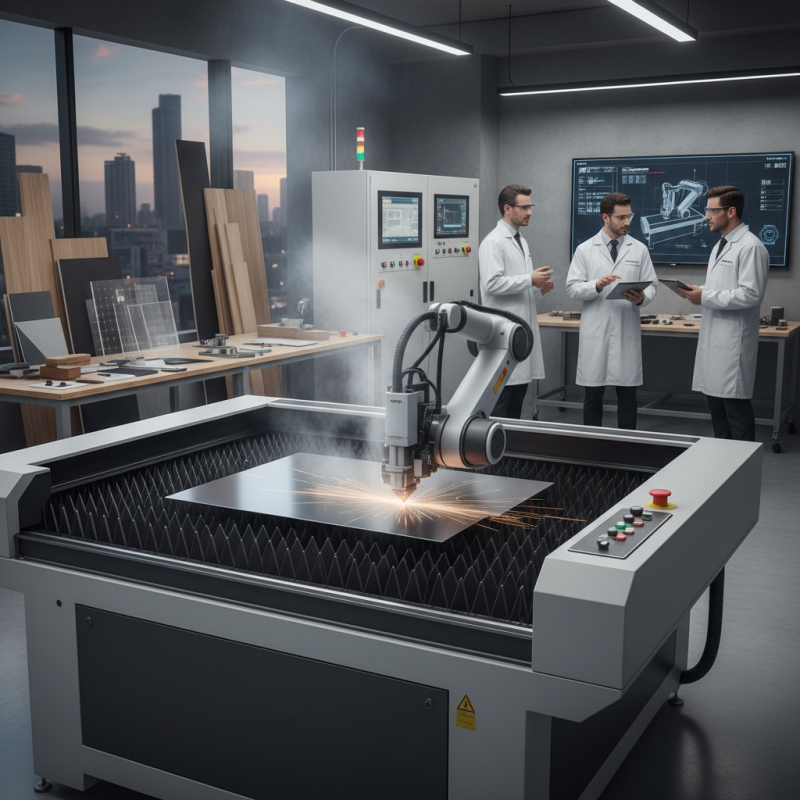
When selecting a laser cutting machine, understanding your specific cutting needs and the types of materials you work with is crucial. Different materials require different laser types. For instance, CO2 lasers are ideal for cutting non-metal materials like wood and acrylic. They perform exceptionally well, delivering clean cuts and intricate designs. In contrast, fiber lasers are more suitable for metals, providing faster cutting speeds. According to a recent industry report, fiber lasers can cut through steel ten times quicker than CO2 lasers, which is a significant advantage for high-production environments.
It’s essential to think about thickness as well. For example, a laser capable of cutting 1/8 inch wood may struggle with 1/4 inch or metal materials. Understanding the material's thickness helps in choosing a machine with adequate power. Additionally, consider the machine's speed. A faster machine may seem appealing, but if it sacrifices quality, it may create more waste. Industry studies show that poor cut quality can increase overall costs by up to 30% in some cases. Hence, it’s a delicate balance between speed and precision.
Reflect on how often you change materials, as versatility might be necessary. Machines that can handle a variety of materials can save money in the long run. But, they may not excel in any single area. It's wise to evaluate your unique needs, as the cutting process significantly impacts productivity and cost efficiency.

Choosing the right laser cutting machine requires careful consideration of key features. The power of the laser, for instance, affects both cutting speed and material thickness capability. Machines typically range from 40W to over 400W. A common recommendation is a 100W laser for general-purpose cutting. However, this might not be sufficient for thicker materials.
The type of laser also matters. CO2 lasers are versatile for organic materials, while fiber lasers excel for metals. According to the Laser Institute of America, the market for laser systems is expected to reach $5 billion by 2025. This reflects growing demand and innovation in laser technology.
Size and space requirements should not be overlooked. Some machines require substantial work areas. A compact design can save space but may limit material size. Maintenance aspects include the ease of lens cleaning and parts replacement. Reports indicate that poor maintenance can decrease cutting quality by up to 30%. Ultimately, evaluating these features in line with specific project needs is essential for maximizing efficiency.
When choosing between CO2 and fiber lasers, consider the materials you plan to cut. CO2 lasers excel with organic materials. They perform well with wood, plastic, and acrylic. Fiber lasers, on the other hand, shine with metals like steel, aluminum, and brass. Each technology has its strengths, making the choice dependent on your specific needs.
Performance also varies. CO2 lasers typically offer a gentler process, which can minimize heat damage on sensitive materials. This is crucial when working with intricate designs or delicate cuts. Fiber lasers, however, can cut through thicker materials faster, thanks to their high power density. The speed may come with the risk of burn marks on some materials. Weigh these factors carefully.
Budget is another important aspect. CO2 machines tend to be less expensive but might incur higher maintenance costs. In contrast, fiber lasers have a higher upfront cost but require less maintenance over time. Assess not just the initial investment but the long-term operational costs as well. Reflecting on these details can guide you to the right choice.
When choosing a laser cutting machine, budgeting is crucial. The initial purchase price can range from a few thousand to tens of thousands of dollars. Research indicates that businesses often overlook maintenance costs. These costs can add another 5-15% to the total annual budget for laser equipment.
Maintenance needs can vary widely. For instance, lenses and mirrors require regular cleaning. Over time, you may also need to replace parts like belts and focusing lenses, which can be costly. Some studies suggest that neglecting regular maintenance can lead to efficiency losses of up to 20%.
Tips: Consider setting aside a maintenance fund. A budget of 10% of the initial purchase price is a good starting point. Additionally, research possible hidden costs. Running a laser cutter could also mean increased electricity bills, sometimes by as much as 30%.
Evaluate your production needs carefully. If you're using the machine frequently, factor in downtime for repairs. Understand that unexpected issues may arise, disrupting your workflow. Prioritizing a good balance between the upfront cost and ongoing operational expenses can help ensure a smart investment.
When choosing a laser cutting machine, user reviews play a vital role. They illustrate real experiences with various models. Reliable feedback can help identify potential issues before making a purchase. Look for reviews that describe the machine's performance in detail. Users often share insights about cutting speed, precision, and ease of use.
Additionally, consider the reputation of the brand. Research brands that consistently deliver quality. A well-reviewed brand might still have a model that underperforms. It's essential to read both positive and critical reviews. This balanced approach will give a clearer picture of what to expect. Some users might complain about customer service, which is crucial to know.
Investigate specific features users appreciate or dislike. Some may find certain machines lacking power for complex cuts. Others might highlight the importance of software compatibility. These details can be telling. Real-life examples can prevent costly mistakes. Use this wealth of information to guide your decision-making process.
| Model | Cutting Area (mm) | Laser Power (W) | Material Compatibility | User Rating (out of 5) | Price (USD) |
|---|---|---|---|---|---|
| Model A | 600 x 400 | 80 | Acrylic, Wood, Leather | 4.5 | 1500 |
| Model B | 1200 x 800 | 150 | Metal, Acrylic | 4.8 | 2500 |
| Model C | 900 x 600 | 100 | Wood, Cardboard | 4.2 | 1800 |
| Model D | 1000 x 700 | 60 | Leather, Fabric | 4.0 | 1200 |
