

...

How to Choose the Right Bent-axis Motor for Your Needs?

Choosing the right Bent-axis Motor is crucial for optimizing performance in various applications. As industries evolve, the demand for efficient and reliable motors grows. According to a recent industry report, the global market for Bent-axis Motors is projected to reach $1.2 billion by 2026, driven by advancements in technology and automation.

When selecting a Bent-axis Motor, one must consider factors like torque, speed, and application compatibility. Reports indicate that inefficient motor choices can lead to a 20% increase in operational costs. These choices can affect productivity and energy use. The specifics of your application will guide you in making the right selection.

However, even with the wealth of data available, businesses often struggle to choose the optimal solution. Often, insufficient analysis of needs leads to mismatched motors. Companies should invest time in understanding their operational requirements, rather than relying solely on existing specifications. A deeper comprehension of these factors can significantly improve the selection process and overall efficiency.
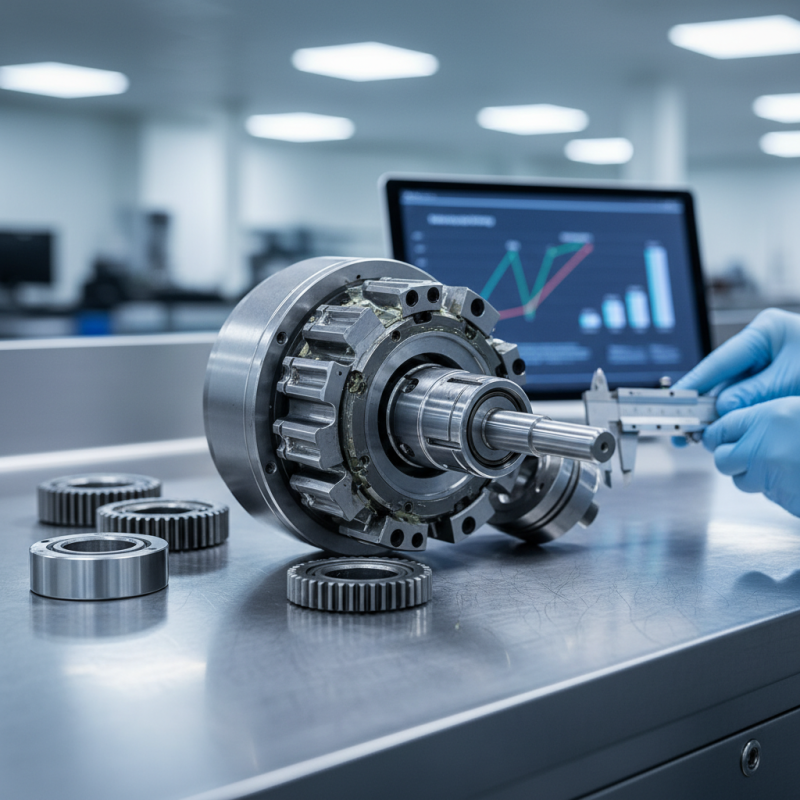
How to Choose the Right Bent-axis Motor for Your Needs?

Understanding the Basics of Bent-axis Motors

Bent-axis motors are vital components in many applications. Understanding their basics helps in making an informed choice. These motors operate by converting hydraulic energy into mechanical energy. They offer high power density and compact designs. However, they are not without limitations.

When selecting a bent-axis motor, consider its efficiency and operating conditions. These motors perform best under specific loads and speeds. Always think about the torque output needed for your application. The choice may depend on whether you need high speed or high torque.

Tips: Assess the application requirements carefully. Understand how environmental factors affect performance. Recognizing these variables can save time and money. Don't overlook the maintenance needs. Regular checks ensure longevity and optimal functionality. Remember, an ideal choice isn't just about numbers but also about real-world application.

Key Specifications to Consider in Bent-axis Motor Selection

When selecting a bent-axis motor, key specifications can influence your decision greatly. Start with the displacement. It defines the motor's capacity. Small displacements are suitable for lower torque applications. Larger displacements, on the other hand, offer more power but might require bigger systems. Think about your performance requirements carefully.

Next, consider the peak pressure rating. This is crucial for understanding the motor's limits. A higher rating usually means better efficiency. However, pushing a motor close to its peak can lead to overheating. It's essential to balance between performance and durability. Also, look at the efficiency curves. They provide insights into how the motor performs across various speeds and loads.

Don't forget about mounting styles. Available configurations can affect installation ease and system layout. Some motors may require specific orientations. Lastly, check for auxiliary functions. Sometimes, additional features can enhance performance. However, they may complicate the setup. Reflect on whether you truly need these options.

Evaluating Performance Requirements for Your Application

When evaluating performance requirements for a bent-axis motor, several factors come into play. Key parameters include pressure, flow rate, and efficiency. A study from the Hydraulics Institute indicates that fluid pressure can significantly impact motor performance. For instance, motors typically operate best between 1500 to 4000 psi. Beyond this range, efficiency may drop, leading to overheating or reduced lifespan.

Flow rate also plays a critical role. Systems requiring high speeds often need larger flow rates. Data shows that motors can deliver optimal flow rates around 30 to 250 L/min for various applications. It is essential to match flow rates with operational needs to avoid underperformance.

Not all applications are the same. Some may prioritize torque over speed or vice versa. It's crucial to assess your specific application demands. For instance, operations in construction machinery may require different specifications than those in agricultural equipment. A mismatch could lead to inefficiencies or technical failures. Take time to reflect on these variables when selecting a motor for your needs.

How to Choose the Right Bent-axis Motor for Your Needs?

Parameter Details
Displacement Range 10 - 250 cm³/rev
Pressure Rating Up to 350 bar
Efficiency > 90%
Operating Temperature -20°C to 80°C
Mounting Configuration ISO 3019
Weight 2 - 20 kg
Speed Range 1000 - 4000 RPM
Control Type Manual/Proportional

Comparing Different Manufacturers and Models

When choosing a bent-axis motor, it’s crucial to compare different manufacturers and models carefully. Each model has unique specifications. Some may focus on efficiency, while others prioritize power output. Look closely at torque ratings and speed capabilities. These factors significantly impact performance. Remember to review the dimensions. Space can be a constraint in your application.

Different manufacturers use various materials and technologies. This can affect longevity and reliability. Some motors may have advanced features, while others might be more straightforward. Customer reviews can provide insight. They often highlight real-world performance and potential issues. Pay attention to common problems mentioned.

Understand your specific needs. A high-torque motor may be overkill for light applications. Conversely, an underpowered motor can hinder efficiency. It’s essential to match your requirements accurately. Don’t overlook the importance of support and service. Good support can save time and frustration later down the line. Comparing models can feel overwhelming; take your time to reflect on what matters most. Adjust your choices based on real feedback and needs.

Comparison of Bent-axis Motor Performance

Maintenance and Support for Bent-axis Motors

When selecting a bent-axis motor, maintenance and support are pivotal factors to consider. Regular maintenance routines can extend the life of these motors. It’s essential to understand the specific requirements for upkeep. This might include checking fluid levels and inspecting for wear and tear. Over time, dirt and debris can accumulate, impacting performance.

Consider the support options available. Some manufacturers provide extensive technical assistance. This can be invaluable when troubleshooting issues. However, not all support is created equal. Some may offer limited online resources or sparse documentation. It’s crucial to evaluate what kind of help you might need.

Finally, don’t underestimate the importance of training. Proper training can prevent misuse and help during repairs. Employees should be comfortable with the equipment. Oddly enough, many overlook this aspect. In the rush to get the job done, training can take a back seat. Reflect on your team's capabilities and the gaps in knowledge. Addressing these can lead to smoother operations and fewer headaches down the line.