

...

How to Choose the Right Mud Pump Piston Rod?

Choosing the right Mud Pump Piston Rod is a practical decision with serious equipment consequences. This small-looking component transfers repeated hydraulic force inside a demanding drilling system. Its surface may face abrasive mud, pressure changes, heat, and constant reciprocating movement. A poor match can damage seals, increase leakage, and shorten piston life.

Dr. H. Rabia, a respected drilling-engineering author, offers a useful principle: “A drilling system is only as reliable as its weakest component.” That idea applies directly here. The piston rod must match the pump model, piston design, stroke length, and manufacturer’s dimensional requirements. Diameter matters. Thread quality matters. Surface hardness matters even more when abrasive drilling fluid reaches the packing area.

Look closely at the chrome layer, rod straightness, shoulder finish, and sealing contact zone. A mirror-like surface may appear excellent, yet hidden fatigue can remain beneath it. Check the material certificate, heat-treatment records, and coating thickness before purchase. Confirm measurements against the original rod, not memory or an old catalog.

Field experience also shows that price alone can mislead. Cheap rods may fit initially but wear quickly under heavy-duty cycles. Still, even premium parts deserve inspection. I have seen reliable-looking components fail after poor alignment and careless installation. That detail is easy to overlook.

This guide explains how to compare materials, coatings, dimensions, suppliers, and maintenance requirements. It also considers operating pressure, mud chemistry, and replacement timing. The goal is simple: select a Mud Pump Piston Rod that performs consistently, protects surrounding components, and supports safer, more predictable drilling operations.
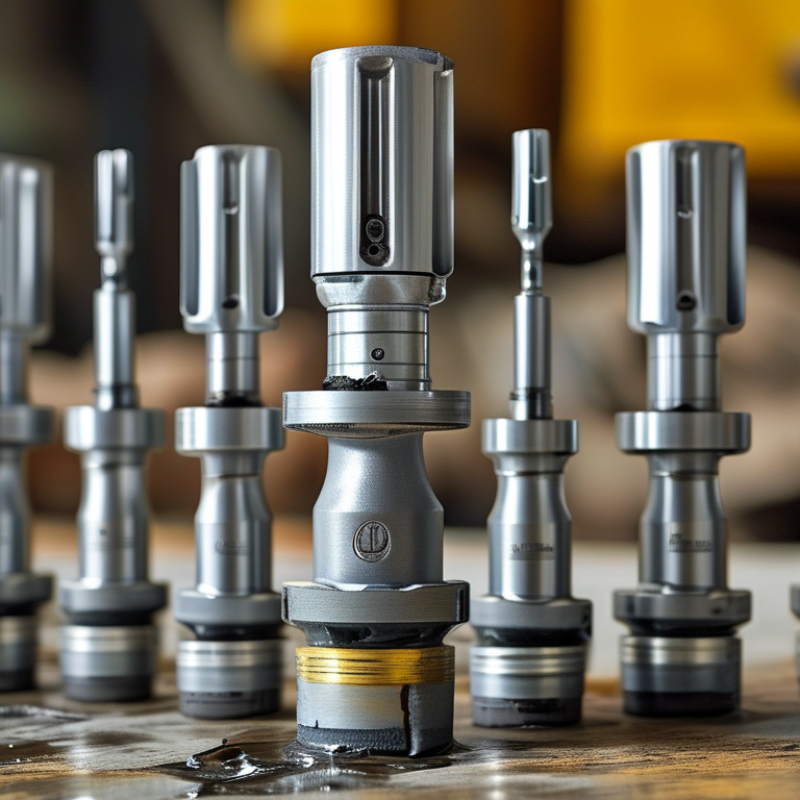
How to Choose the Right Mud Pump Piston Rod?

Understand the Role and Working Conditions of a Mud Pump Piston Rod

How to Choose the Right Mud Pump Piston Rod?

A mud pump piston rod transfers hydraulic force to the fluid-end piston. It moves repeatedly under heavy load and strict timing. The rod must withstand tension, compression, bending, and fatigue. It works hard. Drilling mud makes the task more demanding. Sand, solids, and chemical additives can damage exposed surfaces and seals. Pressure pulses also create sudden stress during each stroke.

Its working conditions should guide every selection decision. A rod may operate in a wet, abrasive area with changing temperatures and poor alignment. Small alignment errors can increase side loading and accelerate packing wear. During maintenance, technicians should inspect scoring, pitting, thread damage, and unusual polish marks. Measuring rod runout is useful, but visual checks alone are not enough. Service records can reveal problems that one inspection misses. I have learned that clean measurements often matter more than confident guesses.

Select the rod according to pump load, stroke length, operating speed, and seal arrangement. Confirm the diameter, thread design, material strength, surface hardness, and finish against engineering data. The rod should match the piston, packing, locking parts, and lubrication system. A thicker rod is not automatically better. It may change clearances or increase unnecessary load. One overlooked detail can shorten service life. Before installation, check alignment, thread condition, and surface cleanliness. After start-up, monitor leakage, vibration, temperature, and packing adjustment during the first operating hours.

Identify the Required Dimensions and Material Specifications

Choosing a mud pump piston rod starts with accurate dimensions, not a familiar part number. Measure rod diameter, total length, thread form, shoulder position, keyway, and piston-end geometry. Compare every value with the pump drawing and maintenance manual. API Spec 7K and the IADC Drilling Manual stress equipment-specific verification because similar pump sizes can use different rod connections. A small thread mismatch can create fretting, leakage, or sudden fatigue damage.

Material selection needs equal discipline. Forged alloy steel, often in the 4140 or 4340 family, offers useful strength and toughness after controlled heat treatment. However, the grade alone proves little. Request the mill certificate, actual yield strength, tensile strength, hardness, grain quality, and impact results. ISO 15156 is relevant when sour-service exposure may affect material performance. For the surface, specify chrome or another approved coating only after checking thickness, adhesion, finish, and repair limits. Surface roughness matters around packing and seals.

Industry maintenance reports repeatedly connect premature rod failures with misalignment, abrasive fluid, and poor lubrication. That matches field experience. Still, I would not trust a generic “heavy-duty” claim. A 2024 technical review from the International Association of Drilling Contractors emphasizes documented inspection and traceability, yet inspection intervals vary by load and service. I have seen a correctly sized rod fail because the crosshead alignment was ignored. The specification was right. The installation was not.

Match the Rod Design with the Pump and Piston Assembly

Choosing the right mud pump piston rod starts with the complete pump and piston assembly. The rod is not an isolated spare part. Its diameter, shoulder length, thread profile, and sealing surface must match the piston, liner, clamp, and extension rod. API Specification 7K identifies mud-pump components as safety-critical equipment requiring controlled design, inspection, and testing. That requirement matters when discharge pressure commonly reaches 3,000 to 7,500 psi.

Match the rod to operating conditions, not only catalog dimensions. A high-pressure pump needs sufficient tensile strength and accurate thread engagement. Abrasive drilling fluids demand a hard, smooth sealing surface. High stroke rates also increase fatigue loading. The IADC Drilling Manual recommends checking pressure, strokes per minute, fluid density, and solids content during equipment selection. A rod that fits mechanically may still fail early under heavy solids or poor lubrication.

Field experience shows small mismatches first appear as packing heat, washout marks, or uneven piston wear. Inspect the rod shoulder and threads after every maintenance cycle. Measure runout with calibrated equipment. Do not rely on visual checks alone. This is where my own inspection habits need discipline. A perfect material choice on paper can still fail when the piston assembly is misaligned. Review the pump manual, API requirements, and inspection records together before ordering replacement rods.

How to Choose the Right Mud Pump Piston Rod?

Match the rod design with the pump and piston assembly by comparing the piston diameter, pump configuration, and typical rod diameter used for the assembly size.

These representative dimensions are suitable for preliminary selection: larger pistons and higher-cylinder-count pumps generally require a larger rod diameter to manage mechanical loading and connection strength. Final selection should also confirm stroke length, rod-end connection, seal dimensions, material strength, and the pump manufacturer's assembly requirements.

Evaluate Wear Resistance, Strength, and Sealing Compatibility

How to Choose the Right Mud Pump Piston Rod?

A piston rod works inside a harsh cycle of pressure, friction, and contamination. Wear resistance deserves close inspection. Published SPE maintenance case studies commonly identify fluid-end wear as a major contributor to unplanned mud-pump downtime. The exact percentage varies by drilling conditions. That matters.


Look for a rod material and surface treatment that resist abrasive solids without becoming brittle. ASTM G65 abrasion testing can compare material loss under controlled conditions. However, laboratory results cannot fully predict field life. Sand concentration, mud chemistry, alignment, and lubrication may change performance quickly. A smooth, properly finished surface reduces seal damage. Inspect the actual roughness value, not only the supplier’s “premium” description.

Strength is equally important. The rod must tolerate repeated tensile and bending loads without fatigue cracking. API Specification 7K provides recognized requirements for drilling and well-servicing equipment, including mud-pump design and testing. Ask for heat-treatment records, dimensional reports, and non-destructive inspection results. Small doubts remain useful. A high-strength rod may still fail if its shoulder geometry creates stress concentration.


Sealing compatibility is often underestimated. ASTM D471 immersion testing helps evaluate how seal materials react to oil, water, and chemical additives. Check swelling, hardness change, and volume change after exposure. ISO 23936-2 data can also support elastomer selection in demanding fluid environments. Use the seal manufacturer’s temperature and chemical limits. A rod that survives abrasion but cuts the packing is not a reliable choice. Field measurements should confirm rod runout, surface finish, leakage rate, and wear pattern during scheduled maintenance.

Verify Quality Standards, Installation Needs, and Maintenance Support

Choosing the right mud pump piston rod starts with verified quality standards, not a low purchase price. Ask for material certificates, heat-treatment records, dimensional reports, and non-destructive test results. The rod should match the pump’s rated pressure, stroke length, and operating temperature. Traceable documentation matters.

During field inspections, I check the rod diameter with a calibrated micrometer. I also inspect the polished surface for scoring, pitting, or uneven wear. Even a small surface defect can damage packing and cause fluid leakage. Confirm thread dimensions, shoulder spacing, and crosshead compatibility before installation. Measure twice.

Installation conditions can change the selection. A high-solids drilling fluid may require stronger surface protection and more frequent inspections. Confirm lubrication points, sealing requirements, and the correct tightening procedure. Misalignment is easy to overlook. It can create vibration, heat, and premature rod failure. The maintenance team should receive clear drawings, installation guidance, inspection intervals, and access to replacement parts. Responsive technical support is equally important during an unexpected shutdown. Ask how quickly dimensional questions, warranty claims, and urgent parts requests are handled. A certificate alone cannot prove long-term performance. I have seen well-documented components fail after poor alignment and rushed maintenance. That experience is worth remembering when comparing suppliers.