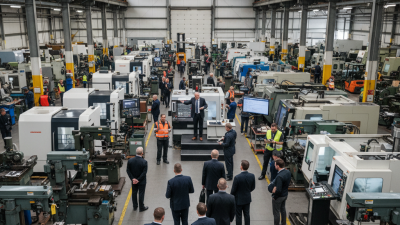
Top CNC Machine Auctions: How to Find the Best Deals and Tips for Bidders
In the rapidly evolving world of manufacturing, acquiring the right equipment at the right price is crucial for success. One effective avenue for obtaining high-quality machinery is through a CNC machine auction. These auctions offer bidders the chance to find exceptional deals on various CNC machines, ranging from lathes to milling machines, often at significantly reduced prices compared to traditional purchasing methods. However, navigating the auction landscape can be daunting for newcomers, making it essential to be well-prepared and informed.
Understanding the ins and outs of CNC machine auctions is vital to maximizing your investment and ensuring that you come away with reliable and efficient machinery. By researching auction platforms, setting a realistic budget, and familiarizing yourself with bidding strategies, you can enhance your chances of securing the best equipment available. This guide aims to delve into the best practices for bidders, offering insights on how to identify the most promising auctions and crucial tips to keep in mind throughout the bidding process. Whether you're a seasoned buyer or exploring auctions for the first time, these strategies will help you navigate the competitive environment successfully.
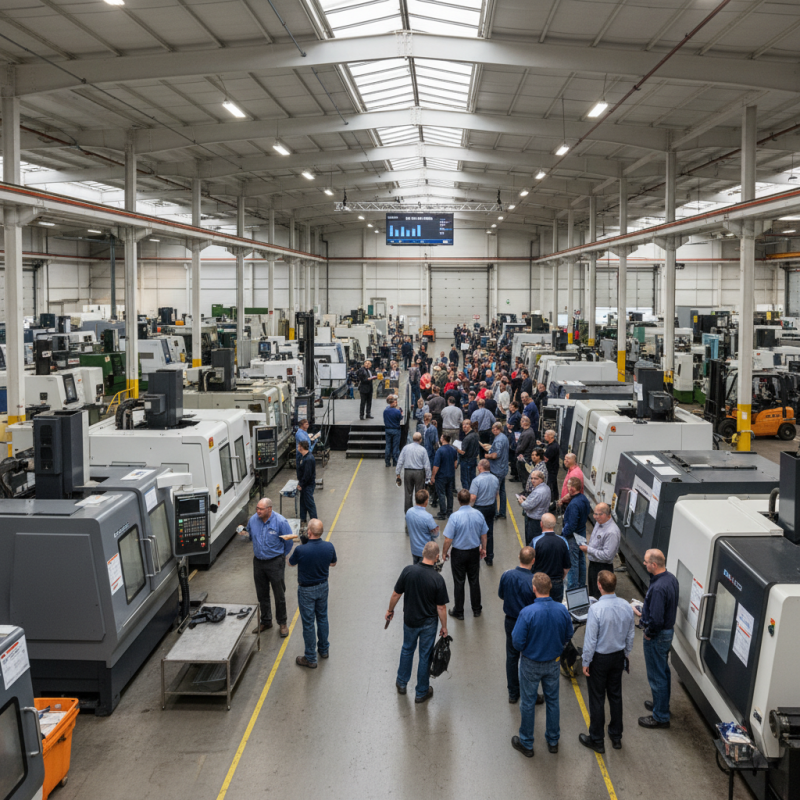
Understanding CNC Machine Auctions: An Overview of the Process
CNC machine auctions have become a popular avenue for manufacturers and fabricators looking to acquire high-quality equipment at competitive prices. Understanding the auction process is crucial for bidders aiming to secure the best deals. Typically, CNC machine auctions are conducted either live or online, with each format offering its unique set of opportunities and challenges.
According to industry reports, the global CNC machine market is projected to grow at a compound annual growth rate (CAGR) of 6% from 2021 to 2026. This growth fuels a robust market for used equipment, making auctions an appealing option for buyers.
The auction process begins with vendors listing their CNC machines, often accompanied by detailed descriptions, specifications, and inspection reports. Bidders have the chance to evaluate the machines by attending preview events or through virtual tours. Understanding machine conditions, history, and maintenance records plays a crucial role in making informed bidding decisions. Additionally, it's important for bidders to set clear budgets and recognize the potential additional costs, such as transportation and refurbishing.
Research shows that participating in multiple auctions can enhance bidders' expertise, providing insights into typical price ranges and market demand, thus increasing their chances of a successful acquisition.
Key Factors to Consider When Bidding on CNC Machines
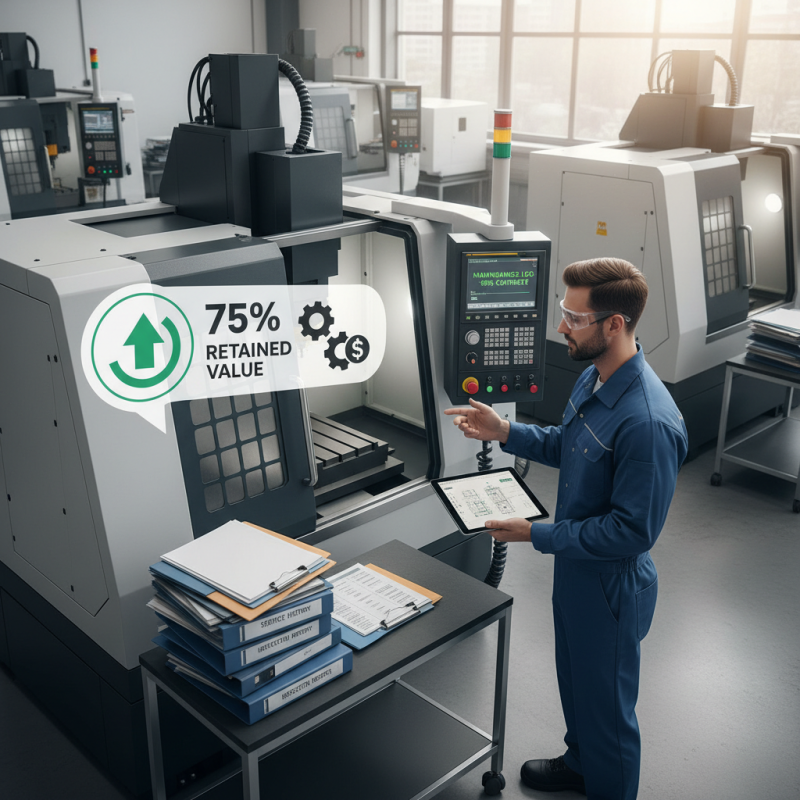
When bidding on CNC machines, understanding key factors can significantly influence the outcome of your auction experience. One critical aspect to consider is the machine’s condition and history. Professionals recommend reviewing the maintenance records and inspection reports, if available, to gauge the reliability and performance of the machine. According to a report from the Association for Manufacturing Technology, well-maintained CNC machines typically retain about 75% of their original value even after years of usage. This insight suggests that investing in a machine with a solid maintenance history can yield long-term benefits.
Another essential factor is the auction environment itself. Bidders should familiarize themselves with the auction platform and its bidding processes. Many auctions offer online previews and walkthroughs, allowing potential buyers to assess machines more thoroughly before making a bid. As reported by Industry Week, over 60% of successful bidders claimed that adequate preparation, including prior research and understanding of bidding tactics, played a crucial role in their winning strategies.
Tip: Set a budget and stick to it. While it’s easy to get caught up in the excitement of an auction, having a preset limit helps prevent overspending and ensures you can participate in future opportunities without financial strain. Additionally, consider timing your bid to align with quieter moments during the auction, as this can reduce competition and lead to better deals.
Tips for Researching and Evaluating Auction Listings
When considering participation in CNC machine auctions, thorough research and careful evaluation of auction listings are crucial to making informed decisions. Start by gathering as much information as possible about the machines on offer. This includes reviewing specifications, operational history, and maintenance records. Look for detailed descriptions that highlight the machine's features, age, and condition. Listings that include high-quality photographs from multiple angles can provide valuable insights into the machine's state, helping bidders assess potential repairs or upgrades.
In addition to technical details, it's essential to understand the auction process itself. Research the auctioneer's reputation and past sales to gauge the reliability of the auction environment. Checking online reviews or attending preview days can offer a hands-on experience of the equipment before the bidding starts. Make a checklist of questions to ask the auctioneer, such as the reasons for selling and any known issues with the machinery. This proactive approach ensures that bidders have a clear picture of what they are investing in and helps them identify the best deals available.
Top CNC Machine Auctions: How to Find the Best Deals and Tips for Bidders
| Auction Site |
Auction Type |
CNC Machines Available |
Start Price (USD) |
Ending Date |
Tips for Bidders |
| AuctionSite A |
Online |
CNC Mill, CNC Router |
2,000 |
2023-11-15 |
Research previous sales, set a max bid |
| AuctionSite B |
Live |
CNC Lathe, CNC Plasma Cutter |
5,000 |
2023-12-01 |
Inspect machine condition, ask for maintenance records |
| AuctionSite C |
Online |
CNC Waterjet, CNC Engraver |
750 |
2023-11-25 |
Check seller ratings, read reviews |
| AuctionSite D |
Timed Online |
CNC Milling Machine, CNC Bender |
3,500 |
2023-12-05 |
Watch for bidding trends, be prepared to act quickly |
How to Set a Budget and Determine Your Maximum Bid
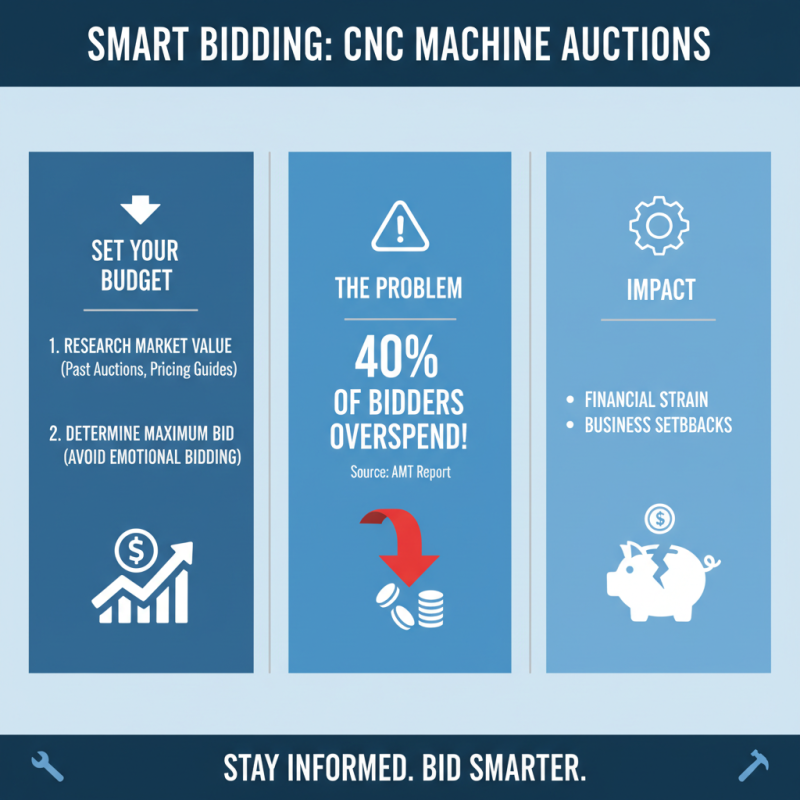
Setting a budget and determining your maximum bid are crucial steps when participating in CNC machine auctions. According to a report from the Association for Manufacturing Technology (AMT), nearly 40% of bidders fail to stick to their budget, resulting in overspending that could impact their overall business finances. To effectively set a budget, it is essential to research the market value of the CNC machines you are interested in. Utilize resources like past auction results and industry-specific pricing guides to establish a realistic price range that reflects current market conditions. This preparation not only aids in decision-making but also ensures you are not swayed by emotional bidding during the auction.
Once you have a defined budget, determining your maximum bid requires careful consideration of various factors. A survey conducted by the Manufacturing Institute found that 73% of businesses factor in additional costs—such as transportation, installation, and potential repairs—when bidding on CNC machines. These ancillary expenses can add up quickly, so it’s important to incorporate them into your maximum bid limit. Additionally, consider the potential for future upgrades or the machine’s resale value, as this can provide a clearer picture of what you can afford while ensuring you still gain value from your investment. By setting a thoughtful budget and a disciplined maximum bid, you can enhance your chances of scoring a great deal while minimizing financial strain.
Post-Auction Steps: Winning, Payment, and Machine Logistics
After winning a CNC machine at auction, there are several critical steps to follow to ensure a smooth transition from bid to ownership. First and foremost, be prepared to make the payment as soon as the auction concludes. Most auction houses provide specific payment terms, which may include methods of payment, deadlines, and potential deposits. Acting quickly not only secures your purchase but can also sometimes lead to discounts or added benefits.
Once the payment is completed, the next step involves logistics for machine retrieval. Coordinating the pickup or delivery is essential, especially if the machine is large or requires special handling. It's advisable to communicate with the auction house regarding any requirements or restrictions they may have for taking the machinery off-site. Additionally, consider hiring professionals for transportation if the equipment is complex or sensitive.
Tips for bidders include carefully reviewing auction listings for detailed descriptions, specifications, and any noted issues. Establish a budget before you start bidding, factoring in potential costs for maintenance or repair post-purchase. Lastly, don’t hesitate to ask questions during the auction; clarity can help you avoid unexpected surprises later on. Remember, thorough preparation and informed decisions can lead to successful auction experiences.
Top CNC Machine Auction Prices by Year