Electrical Steel Tips for Optimal Performance and Applications?
Electrical Steel plays a crucial role in various applications, especially in the manufacturing of electric motors, transformers, and generators. According to a recent report by Research and Markets, the global electrical steel market is expected to reach $30 billion by 2025, driven by the rising demand for energy-efficient technologies. This trend points to the increasing significance of Electrical Steel in power generation and distribution.
As industries strive for higher efficiency, the performance of Electrical Steel becomes imperative. The material's magnetic properties fundamentally influence energy losses in equipment. Even minor lapses in quality can lead to substantial efficiency losses. For instance, laminations that are not properly oriented may cause increased hysteresis and eddy current losses. Manufacturers must recognize the importance of precise processing techniques to maximize performance.
Looking ahead, the need for innovation is evident. Challenges remain, such as ensuring the supply of high-grade Electrical Steel while minimizing production costs. Sustainability also looms large as industries seek to reduce their carbon footprints. Addressing these issues will be vital for maintaining competitive advantages. The evolving landscape of Electrical Steel will test the adaptability of manufacturers and their commitment to excellence.
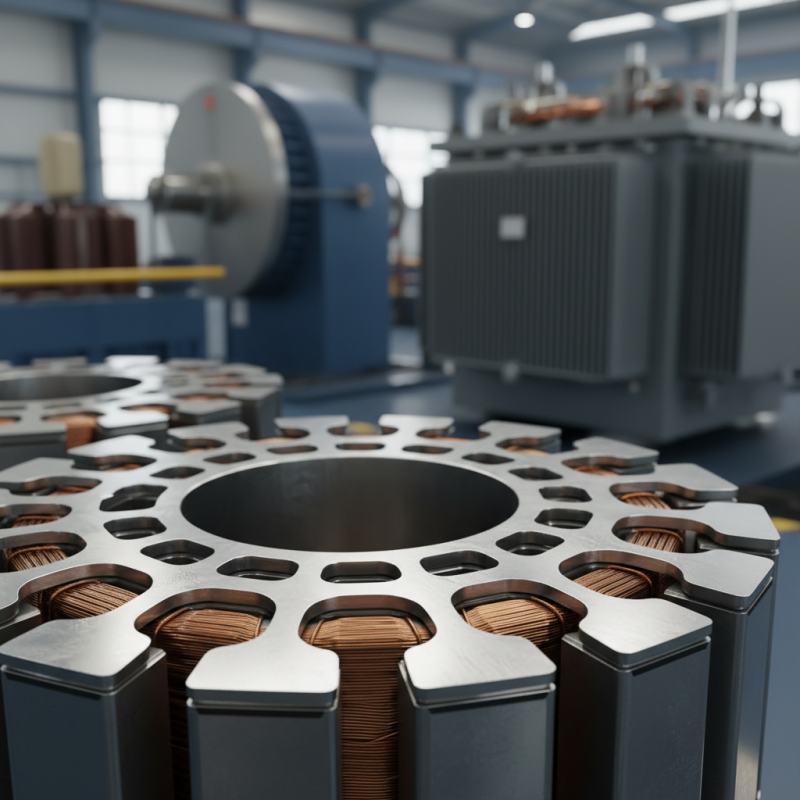
Understanding Electrical Steel: Properties and Types
Understanding electrical steel involves recognizing its unique properties and varied types. Electrical steel, often called silicon steel, is a crucial material in the manufacturing of transformers and electric motors. Its primary benefit is reduced energy loss due to its magnetic properties. For example, grain-oriented electrical steel is used in high-performance applications due to its superior magnetic permeability, which can enhance efficiency by up to 15% compared to non-oriented steel.
Tips for optimal performance include selecting the right type of electrical steel. Different applications demand specific types. For instance, non-oriented electrical steel is ideal for smaller motors, while grain-oriented is better suited for large transformers. Additionally, paying attention to thickness can lead to significant efficiency gains. A thickness of 0.5 mm can provide better magnetic properties in many applications.
Understanding the limitations is equally important. Not all electrical steels perform well under high temperatures. Testing under various conditions can reveal performance dips. Using suboptimal grades can lead to unnecessary energy loss and reduced overall system performance. Investing in quality electrical steel is key for longevity and efficiency in electrical applications.
Key Factors Influencing Performance of Electrical Steel
Electrical steel plays a critical role in the efficiency of electrical machines. Magnetic properties are a key factor influencing its performance. The core loss, measured in watts per kilogram, can significantly vary based on the material's grade. Recent data shows that higher grade electrical steels can reduce core losses by up to 20%. This reduction is vital for enhancing energy efficiency.
Another important consideration is the thickness of the electrical steel. Thinner gauges can improve the magnetic permeability and reduce eddy current losses. A report indicates that 0.35mm-thick electrical steel can exhibit better performance compared to thicker alternatives. However, the challenge lies in the manufacturing process. Producing ultra-thin sheets can lead to higher production costs and technical complexities. Companies need to weigh these factors carefully.
Heat treatment also impacts the electrical steel’s properties. Proper annealing processes are essential for achieving optimal magnetic characteristics. Inadequate heat treatment can lead to residual stresses, affecting performance negatively. This highlights the need for thorough quality control. Small variations can lead to significant performance drawbacks. So, constant monitoring and adjustments are critical.
Applications of Electrical Steel in Modern Technology
Electrical steel plays a crucial role in modern technology. Its unique magnetic properties make it ideal for use in electric motors and transformers. These components are essential in various applications, from household appliances to industrial machinery. A well-designed motor can enhance efficiency and reduce energy loss. However, not all electrical steel is created equal. The choice of material should align with the specific application needs.
In renewable energy, electrical steel is pivotal. Wind turbines, for instance, rely on high-quality electrical steel for their generators. Good performance is vital here, as it can influence energy output. Likewise, electric vehicles utilize this steel to improve their battery management systems. The finer the grain structure in the steel, the better the performance. Yet, challenges remain in maximizing manufacturing processes.
There’s still room for improvement in how we utilize electrical steels. Manufacturers often find it hard to obtain the right balance between cost and quality. Making trade-offs might lead to underwhelming results. Research continues, focusing on enhancing material properties for future applications. The potential is vast, but actionable insights are still needed to bridge the gaps effectively.
Best Practices for Selecting Electrical Steel for Specific Uses
When selecting electrical steel, consider the application. There are many types. Each has unique properties. Choosing the right type can make a big difference.
Tip 1: Always check the magnetic properties. Higher permeability can lead to better energy efficiency. This is crucial for motors and transformers. Low loss materials improve performance.
Tip 2: Think about the environment where the steel will be used. Humidity and temperature can affect performance. Coating options can add protective features, but not all coatings suit every application.
Tip 3: Not every steel type fits every need. Using the wrong kind can lead to inefficiencies. It's important to weigh options. Sometimes, the most expensive material isn’t the best choice. Reflect on your project requirements carefully.
Electrical Steel Tips for Optimal Performance and Applications
| Type of Electrical Steel | Magnetic Properties | Applications | Key Considerations |
| Silicon Steel | High magnetic permeability, low core loss | Transformers, Motors | Thickness, grain orientation |
| Non-Oriented Electrical Steel | Good isotropic properties | Fans, Air Conditioners | Cost, mechanical strength |
| Grain-Oriented Electrical Steel | Superior magnetic performance | High-efficiency transformers | Specialized manufacturing process |
| Low-Loss Electrical Steel | Minimized power loss, high efficiency | Renewable energy systems | Material quality, surface coating |
Future Trends in Electrical Steel Development and Innovation
The future of electrical steel development is promising. Innovations are emerging to enhance efficiency and performance. The global market for electrical steel is projected to reach $39.4 billion by 2026, driven by the demand for electric vehicles (EVs) and renewable energy sources. This sector is vital for the electric motor and transformer industries.
Advanced manufacturing techniques are gaining traction. For example, the use of amorphous steel can reduce energy losses by 75%. However, challenges remain in scalability and cost-effectiveness. Efforts to improve magnetic properties without compromising mechanical strength are ongoing. Many manufacturers are still figuring out how to balance performance with cost.
Sustainability is at the forefront of research. The industry is working on eco-friendly production methods. Yet, the reliance on traditional materials still dominates the market. The transition to greener solutions needs more attention. Ongoing innovations in coatings and laminations can further enhance performance. These developments are crucial for meeting future energy demands efficiently.