

...

Essential Tips for Choosing Aluminum Die Cast Mold for Your Project?

Choosing the right Aluminum Die Cast Mold for your project is crucial. The die casting industry is expected to reach $18.6 billion by 2027, reflecting the growing demand for precision components. Selecting the proper mold can significantly impact production efficiency and the quality of the finished product.

Aluminum molds offer several advantages, including durability and heat conductivity. However, not all aluminum die cast molds are created equal. Some factors can affect mold lifespan and performance. For instance, a poorly designed mold may result in defects, leading to increased costs and delays. Industry experts often point out that intricate designs require advanced molds, emphasizing the necessity of assessing your specific project requirements.

Making informed decisions is vital. Consider the complexity of your design and the volume of production. The wrong choice can lead to wasted resources. It's also worth consulting reliable sources or professionals in the field. Quality molds can boost efficiency, but they can also be a significant investment. Reflecting on past projects can help identify potential pitfalls and guide you toward making a better choice.
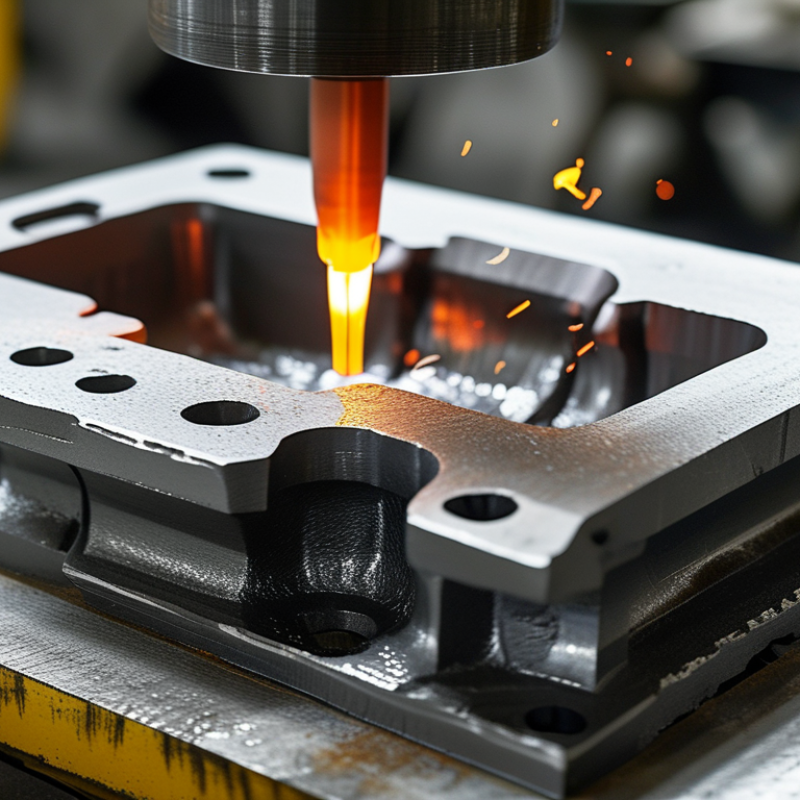
Essential Tips for Choosing Aluminum Die Cast Mold for Your Project?

Factors to Consider When Selecting Aluminum Die Cast Molds

When selecting aluminum die cast molds, several factors should be carefully evaluated. The mold's design is crucial. It influences the part's shape and size. A well-designed mold ensures that you achieve your desired specifications. Consider the types of aluminum alloys you plan to use. Different alloys have unique properties, affecting the final product's strength and weight.

The manufacturing process of the molds is another key consideration. High precision in machining is essential. It minimizes defects and improves surface finish. Pay attention to the cooling system in the mold. Efficient cooling speeds up production and preserves the quality of the casting. The mold's durability is also significant. A robust mold can handle repeated cycles without failure. This directly impacts your production efficiency and costs.

Lastly, think about the maintenance of your die cast mold. Regular maintenance can prevent unexpected breakdowns. Keep in mind that a cheap mold may lead to higher long-term costs. There is always a balance to strike between quality and cost. Reflecting on initial choices can save time and resources later. Each decision should align with your project's specific needs and goals.

Essential Tips for Choosing Aluminum Die Cast Mold for Your Project

Factor Description Importance
Material Quality Ensure high-quality aluminum to prevent defects and enhance durability. Critical
Design Complexity Consider the complexity of the mold design to ensure it meets production requirements. High
Production Volume Assess the expected production volume to select a mold with an appropriate lifespan. Moderate
Cooling System Evaluate the efficiency of the cooling system in the mold to ensure consistent production cycles. Important
Cost Compare costs of various molds to find a balance between quality and budget. High
Supplier Reputation Research the reputation of suppliers for reliability and service quality. Critical

Understanding Different Types of Aluminum Die Cast Molds Available

When selecting an aluminum die cast mold, understanding the types available is crucial. Two primary categories exist: permanent molds and sand molds. Permanent molds reuse molten aluminum and are ideal for high-volume production. They yield smoother surfaces and better dimensional accuracy. However, they also come with higher initial costs.

Sand molds, in contrast, are more versatile and cost-effective for smaller batches. These molds are made from sand and resin. They can accommodate complex shapes but typically lead to rougher surface finishes. The flexibility of sand molds allows for quick alterations, but they are not as durable as permanent molds.

Choosing between the two types requires careful consideration of your project's needs. Production volume, budget, and desired finish all play a role. Reflect on the project's specific demands. Conducting thorough research will bolster your decision-making. Make sure to weigh the benefits and drawbacks of each mold type. This careful evaluation will guide you to a suitable choice for your aluminum die casting project.

Essential Tips for Choosing Aluminum Die Cast Mold for Your Project

This chart illustrates the preferences of different aluminum die cast mold types based on their usage in various projects. Understanding these preferences can help in selecting the most suitable mold for your requirements.

Evaluating Cost-Effectiveness of Aluminum Die Cast Molds for Projects

When evaluating the cost-effectiveness of aluminum die cast molds, several factors are crucial. Industry reports indicate that aluminum molds offer a life span of about 2,000 to 10,000 cycles. In contrast, steel molds can reach up to 1,000,000 cycles but at a higher initial cost. This makes aluminum molds an attractive option for short- to medium-production runs, providing significant savings without compromising quality.

One key aspect is the initial investment. Aluminum molds typically range from 30% to 50% less expensive than their steel counterparts. However, consider the production timeline; aluminum molds can expedite the manufacturing process by reducing lead time. They can be produced faster than steel, allowing for quicker iterations. This speed can provide your project with a competitive edge.

Tips for choosing the right mold: First, assess your project’s requirements. Consider the production volume and complexity. Also, explore heat treatment options. These choices can influence both durability and cost. Even minor adjustments in design can lead to significant long-term savings. Being meticulous in the early stages can pay dividends in the long run.

Assessing Quality and Durability of Aluminum Die Cast Molds

When choosing aluminum die cast molds, quality and durability are paramount. Not all molds are created equal; some may not withstand repeated use. A reliable mold should exhibit robust resistance to wear and thermal stress. Regular inspection is vital, as even minor defects can lead to significant issues.

Pay attention to uniformity in wall thickness, as inconsistencies can impact the final product.

One tip is to evaluate the mold's design. A thoughtful design can enhance durability and reduce cycle times. Consider features like cooling channels, which can improve production efficiency. Also, assess the alloy selection. Higher-grade aluminum alloys offer better strength and heat resistance.

It’s essential to request samples or test the mold before full-scale production. Testing can expose potential flaws that may not be apparent otherwise. This step is often overlooked, yet it is crucial for long-term reliability. In the world of manufacturing, a small oversight can lead to costly setbacks. Ensure that your chosen mold fits your project’s specific requirements for optimal results.

Common Mistakes to Avoid When Choosing Aluminum Die Cast Molds

When choosing aluminum die cast molds, avoiding common mistakes is crucial for success. One prevalent error is neglecting the mold design complexity. A poorly designed mold can lead to defects in the final product, wasting time and resources. Industry reports indicate that approximately 30% of defects stem from inadequate mold design. Ensure your mold accounts for thermal expansion and contraction during the casting process. This reduces the likelihood of distortions that can compromise product quality.

Another mistake involves underestimating the importance of material selection. Aluminum alloys vary significantly in strength, corrosion resistance, and fluidity. According to data from a leading casting industry study, more than 25% of production failures are traced back to inappropriate alloy choices. Clearly defined project requirements will guide your selection process. Aim for a balance between weight, strength, and cost.

Cost considerations can also lead to errors. A cheaper mold might seem appealing, but it can result in higher long-term expenses. A study highlighted that poor-quality molds double the maintenance costs over time. Investing in quality upfront pays off. It's essential to approach your mold selection with a clear understanding of how these aspects interact. Reflect on these factors to avoid costly pitfalls.