
...

7 Tips for Finding the Best CNC Machine Auction

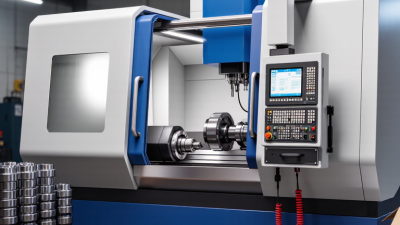
Buying used CNC equipment at auction can stretch a shop’s budget, but the lowest hammer price is rarely the whole story. A machine may look clean in listing photos and still carry years of wear in its spindle, guides, or control system. Details matter. This guide shares seven practical tips for evaluating a cnc machine auction before placing a bid. It explains how to compare machine specifications, check service records, ask precise questions, and assess whether the equipment fits the work planned. A short inspection can reveal useful clues: oil around a way cover, unusual noise during a test cycle, missing manuals, or an outdated controller.

Careful bidders also look beyond the machine itself. Buyer’s premiums, taxes, rigging, loading, freight, installation, and tooling can change the final cost substantially. Auction terms vary, so confirm payment deadlines, inspection windows, and what is included before committing. When records are incomplete, treat that uncertainty as a cost—not a small footnote. That may feel cautious. It is. No checklist can guarantee a trouble-free purchase, and online listings cannot replace a qualified technician’s inspection. The goal is a better-informed decision, not a perfect prediction. With realistic budgeting and clear questions, buyers can compare lots more fairly, avoid bidding on assumptions, and identify machines suited to their shop’s capacity, tolerance needs, and maintenance resources. The following tips offer a grounded starting point.

7 Tips for Finding the Best CNC Machine Auction

Define Your Production Needs and Set a Realistic Budget

Before browsing CNC machine auctions, describe the work the machine must actually do. Note the materials, maximum part dimensions, required tolerances, and typical batch size. A machine suited to aluminum prototypes may not handle long steel runs efficiently. Keep it measurable. Record the spindle speed, travel, tooling, and power supply your jobs require. If a specification is uncertain, ask a machinist or production engineer to verify it. Guessing can make an attractive lot unsuitable.

Set a ceiling that includes more than the winning bid. Allow for buyer fees, inspection, transport, rigging, installation, and any tooling or electrical work. Request service records and clarify what can be tested before bidding. A low purchase price can hide costly repairs, but a large repair allowance is not automatically prudent either. Compare the total expected cost with the value of the machine’s likely output. I would leave a contingency, though its size depends on the machine’s age and condition. Auctions move quickly, and it is easy to mistake urgency for a good deal. Decide your limit in advance, then stick to it.

Research Auction Houses, Sellers, and Machine Listings

A credible CNC auction starts with research beyond the headline price. Check how long the auction house has handled industrial equipment, and read its inspection, payment, and removal terms. Ask whether machines can be powered on or inspected in person. Small details matter. A low bid can become costly if loading, rigging, or storage fees are unclear.

Research the seller, too. Request available maintenance records, machine hours, and the reason for sale. Compare the answers with the listing and ask about gaps directly. A missing service log does not prove poor condition, but it limits what you can verify. Be cautious when responses are vague or key details change.

Study each listing as if you were preparing to operate the machine. Look for clear photos of the control panel, spindle, worktable, doors, and nameplate. Confirm included tooling, software, manuals, and accessories in writing. Compare the model and specifications with your production needs, then budget for transport and setup. Photos can hide wear. Even careful research can miss a defect, so avoid treating an auction description as a guarantee.

7 Tips for Finding the Best CNC Machine Auction - Research Auction Houses, Sellers, and Machine Listings

Use this checklist to compare auction opportunities and verify key details before bidding. Inspection access, fees, and sale terms vary by auction.

Tip What to Research Evidence to Look For Practical Comparison Check Potential Warning Sign
1. Review the auction house Sale terms, bidder registration, payment deadlines, buyer’s premium, and dispute procedures. Published terms and conditions, a clear fee schedule, and written instructions for payment and collection. Calculate the expected total cost using the hammer price, premium, taxes, and removal costs. Unclear fees, inconsistent sale information, or terms that are difficult to obtain before bidding.
2. Check the seller and machine history Seller authority, ownership details where available, service records, and reason for sale. Consistent asset records, maintenance documentation, and answers to specific questions about the machine. Compare the machine’s stated history with its serial plate, records, and auction description. Missing identification details, contradictory history, or no clear confirmation that the seller can transfer the asset.
3. Match the machine to the work Machine type, work envelope, axis configuration, spindle capacity, control, and required tooling. Manufacturer documentation supplied with the listing, measured dimensions, and photographs of the data plate. Confirm that capacity, power requirements, and available floor space suit the intended jobs and site. A listing that relies on a broad model description without specifications or identification photos.
4. Inspect condition in person Visible wear, leaks, damage, alarms, included accessories, and signs of incomplete maintenance. Inspection appointment details, operating-condition statement, and clear images of the machine and work area. If permitted, arrange a qualified inspection and request a powered demonstration under safe conditions. “Untested” or “as-is” status without inspection access or enough information to assess likely repair needs.
5. Evaluate the listing evidence Completeness and consistency of specifications, photographs, condition notes, and included-item descriptions. Images of the control, spindle, enclosure, tool changer, data plate, and any visible damage. Cross-check stated features against the photographs and ask for clarification on anything material to value. Stock-style images, very limited photographs, or important accessories described as included but not shown or itemized.
6. Estimate the full landed cost Buyer’s premium, tax, rigging, disconnect, loading, transport, insurance, and recommissioning. Written estimates from relevant service providers and the auction’s collection schedule and site requirements. Compare total delivered-and-installed cost—not just the bid price—with suitable alternatives. A short collection window, uncertain machine weight, or no confirmed plan for removal and transport.
7. Set a disciplined bid limit Comparable machine listings, condition differences, repair exposure, and the maximum budget. Recent or current listings with comparable type, capacity, configuration, and documented condition. Set a maximum bid in advance after deducting fees, logistics, inspection findings, and a repair contingency. Bidding based on the opening price alone or increasing the limit without new verified information.

Specifications and sale conditions differ between machines and auctions. Verify all material details directly from the listing documents and inspection before placing a bid.

Evaluate Machine Condition, Specifications, and Maintenance Records

A CNC machine can look impressive in auction photos and still hide expensive wear. Ask for a recent power-on video, not just a list of features. Watch the spindle start, listen for grinding, and check whether the control screen shows alarms. If an inspection is allowed, bring a qualified technician. A quick look is not enough. Examine ways, covers, and the tool changer for chips, scoring, or uneven movement. Oil around a seal may be minor, but recurring leaks deserve an explanation.

Compare the machine’s travel, spindle speed, tool capacity, and control system with the work you actually plan to run. A larger specification is not automatically a better fit. Confirm the exact model and configuration against the machine’s plates and manuals. Maintenance records should include dates, replaced components, and service notes—not just a claim that the machine was “well maintained.” Match hours on the control to those records where possible. Missing paperwork is a warning, though not proof of neglect. Ask about accuracy checks, recent repairs, and whether a sample cut can be demonstrated. That test may reveal chatter or poor repeatability. Auction pressure can make details feel less important; pause before bidding, especially when answers are vague. Even a careful inspection has limits.

Compare Fees, Transport Costs, and Auction Terms

A low hammer price can hide an expensive purchase. Before bidding, add the buyer’s premium, applicable taxes, payment charges, and any removal or storage fees. Read the auction terms for payment deadlines, loading responsibility, and penalties for late collection. Ask whether power is available for testing and whether the machine can be inspected under load. A spindle that turns freely by hand tells you little about vibration at operating speed. Small detail, big difference.

Get written transport quotes using the machine’s actual dimensions, weight, pickup window, and delivery address. The U.S. Energy Information Administration reported an average on-highway diesel price of $4.21 per gallon in 2023; it is a useful cost signal, not a freight quote. The U.S. Bureau of Labor Statistics reported a $54,320 median annual wage for heavy and tractor-trailer truck drivers in May 2023. That figure also is not a shipping rate, but it underscores why labor, loading, and waiting time matter. Compare quotes line by line. I would leave room for uncertainty: rigging needs or a narrow loading slot can change the final bill. Get those details confirmed before bidding.

Set a Bidding Limit and Plan for Post-Auction Setup

Set a firm bidding ceiling before the auction, and calculate it from the machine’s total landed and operating cost—not its hammer price. Include the buyer’s premium, rigging, freight, insurance, tooling, inspection, and installation. Keep a separate reserve for surprises, such as a missing chuck or damaged cable. A limit only works if you are willing to stop bidding.

Plan the first weeks after purchase while inspecting the machine. Confirm its footprint, weight, power requirements, floor capacity, coolant needs, and control-system compatibility with your shop. Ask a qualified technician to assess visible wear and estimate commissioning work. Get written transport and setup quotes where possible. A bargain can sit idle for weeks if the doorway is too narrow or the electrical service is wrong. Small details bite.

Deloitte and MAPI’s 2024 Smart Manufacturing Survey found that 92% of surveyed manufacturers viewed smart manufacturing as a competitiveness driver over the next three years. That is not a guarantee of payback for a used machine; it is a reason to plan integration carefully. Allow time for leveling, calibration, safety checks, operator training, and trial cuts. Keep production records and original machine settings available. I would still leave room for an imperfect first run. That is where the plan gets tested.

7 Tips for Finding the Best CNC Machine Auction — Set a Bidding Limit and Plan for Post-Auction Setup

Sample all-in budget for a CNC machine auction purchase

This example allocates a $25,000 total budget across a $20,000 hammer-price limit, a sample 10% buyer’s premium, and estimated rigging, transport, and site-preparation costs. Actual fees and setup costs vary by auction and machine, so verify them before bidding and keep a contingency.