

...

What Is the Best Water Based Urethane for 2026?

Choosing the best Water Based Urethane for 2026 starts with the surface, not the label. A clear coat that performs well on a hallway floor may not suit a kitchen cabinet or a frequently handled tabletop. Drying time, scratch resistance, sheen, odor, and cleanup all matter. So does the substrate. Test a small, hidden area before committing.

Market context helps, but it cannot pick a can for every project. Grand View Research’s Waterborne Coatings Market Size, Share & Trends Analysis Report describes continued demand for waterborne coatings, reflecting interest in lower-solvent formulations. That market-wide trend is useful context, not proof that one urethane is tougher than another. For performance claims, look for test methods and product-specific data sheets. ASTM D4060, for example, measures abrasion resistance under specified conditions; results still depend on the test setup and coating system. The U.S. EPA’s architectural-coatings rules also provide context for volatile organic compound limits, though limits vary by coating category and location.

Small details count. A satin finish can hide light wear better than gloss, while a rushed second coat may leave visible marks. No universal winner exists. In this guide, we compare leading options by application, durability evidence, finish, and practical use. Some manufacturer claims are hard to compare directly. That deserves a little skepticism. We’ll distinguish documented performance from broad marketing language and explain where a product may fit—and where it may disappoint.
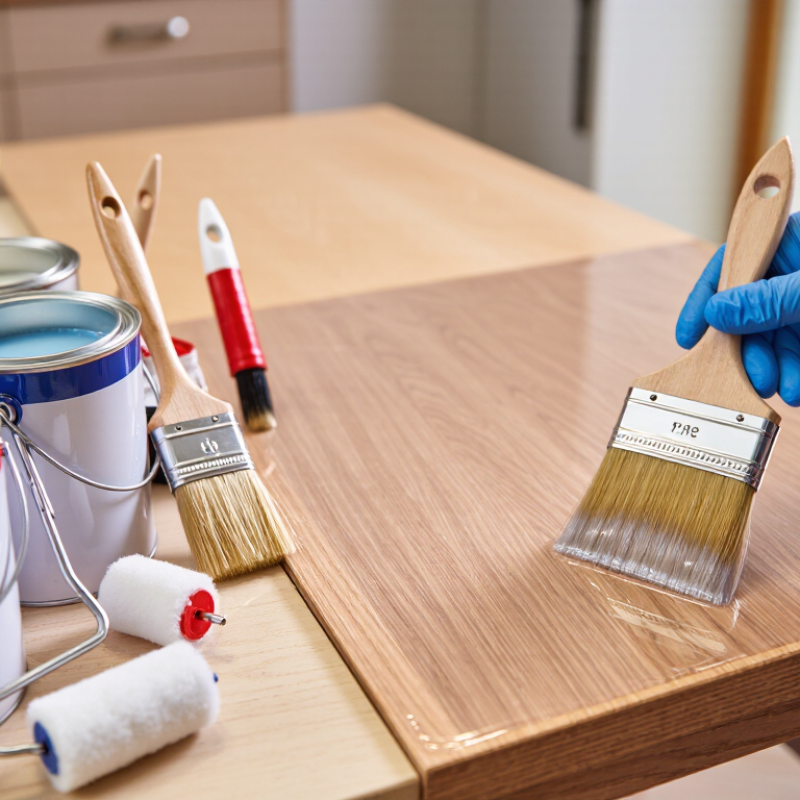
What Is the Best Water Based Urethane for 2026?

What Water-Based Urethane Is and How It Protects Surfaces

What Is the Best Water Based Urethane for 2026?

Water-based urethane is a protective finish made with urethane or polyurethane resins dispersed in water. As the water evaporates, the resins form a clear film over the surface. That film helps shield wood from everyday scuffs, small spills, and wear. It can also preserve a lighter, more natural wood color than some oil-based finishes.

Protection depends on more than the coating itself. A clean, dry, smoothly sanded surface helps the finish bond evenly. Follow the product’s directions for coats and drying time; a floor that feels dry may still need more time to cure. On a tabletop, for example, setting down a damp glass too soon can leave a mark. Not waterproof. No finish is.

Water-based formulas vary in sheen, durability, application feel, and suitability for floors or furniture. For a busy hallway, look for a finish specifically rated for floor traffic. For a bookcase, appearance and easy application may matter more. Thin, even coats usually reduce drips and cloudy patches. It is tempting to rush between coats, but patience here can matter more than buying the most expensive option. I would still check the label carefully: “water-based” alone does not tell you how well a finish suits your surface.

Key Properties That Determine Urethane Performance

Water-based urethane performance depends on more than its label. Film thickness, wood preparation, temperature, and humidity all affect the cured surface. The USDA Forest Products Laboratory’s Wood Handbook explains that wood exchanges moisture with its surroundings and changes dimension as conditions shift. That movement can stress a finish, especially around board edges and end grain. A perfectly clear coat is not automatically a durable one.

Compare test data taken with the same method. ASTM D4060 measures abrasion resistance by tracking coating wear under specified Taber abrasion conditions; lower mass loss generally indicates better resistance in that test. ASTM D3359 evaluates adhesion using a tape test, while EPA Method 24 determines coating volatile content and VOC. These figures answer different questions. Don’t compare results from different test setups as if they were interchangeable.

For floors, inspect abrasion and adhesion data, then check the stated cure conditions and recoat window. For furniture, clarity and resistance to water spots may matter more. A warm-looking sample can still disappoint.

I’d also test a small area first; lighting changes the apparent sheen, and real rooms rarely match a lab. Some doubt is useful. A data sheet cannot predict every household’s wear pattern.

How to Choose a Water-Based Urethane for Your Project

Choosing a water-based urethane starts with the surface and the room, not a “best” label. For a busy hallway, compare abrasion resistance and the test method used; ASTM D4060, for example, measures coating wear with a Taber Abraser. Results are meaningful only when products use comparable test conditions. For stairs or furniture, check adhesion and confirm the coating is compatible with the existing finish. A small test patch can reveal cloudy drying or poor bonding. Annoying, but useful.

Next, match sheen, application, and cure time to your project. A matte finish can disguise small scuffs, while gloss makes dust and surface marks easier to spot. Check the technical data sheet for recommended coats, recoat windows, temperature limits, and when the floor can take furniture or rugs. “Dry to touch” is not the same as fully cured. Ventilate during application and follow the product’s safety directions. The U.S. Environmental Protection Agency reports that people spend about 90% of their time indoors, and some indoor pollutant levels can be two to five times outdoor levels. Low odor alone does not prove low emissions; compare stated VOC content and testing details. One missed detail can mean a long wait before moving back in.

Water-Based Urethane Options to Consider in 2026

In 2026, the right water-based urethane depends on what you are coating, how often it is used, and how much upkeep you accept. For a busy wood floor, compare products specifically rated for floors, not general-purpose clear coats. A single-component formula is usually simpler to apply and clean up. A two-component formula may offer stronger resistance to abrasion or household chemicals, but mixing, working time, and application become less forgiving. Check the technical sheet.

For cabinets, furniture, or a lightly used room, a clear water-based finish can preserve a pale wood tone and reduce the amber shift associated with some solvent-based coatings. Choose sheen by looking at samples in the actual room: satin can soften glare, while gloss makes scratches and dust more noticeable. Small details matter. Check whether the finish suits your wood species and any existing stain, then test it on an offcut. A neat sample board does not guarantee a flawless floor.

Compare recoat intervals, recommended coats, cure time, and cleanup instructions—not just the label’s durability claims. “Dry to touch” does not mean ready for rugs or heavy furniture; follow the manufacturer’s full-cure guidance. Ventilation and steady room conditions also affect results. One trade-off is easy to miss: the toughest option may be harder to apply evenly. Test first. If the finish looks cloudy, raises the grain, or leaves lap marks on a small trial area, adjust your preparation before coating the whole surface.

What Is the Best Water Based Urethane for 2026? - Water-Based Urethane Options to Consider in 2026
Option Best Suited For Typical Strengths Trade-Offs What to Check Before Buying
One-component water-based polyurethane Residential hardwood floors, furniture, and interior woodwork with ordinary household use. Ready to use, relatively straightforward to apply, and generally easier to maintain than many two-component systems. May provide less chemical and abrasion resistance than a properly applied two-component finish; performance varies by formulation. Confirm the product is intended for the specific surface and traffic level. Review the stated recoat window, required coats, and full-cure guidance.
Two-component water-based polyurethane Busy residential areas and commercial floors where higher wear or chemical resistance is a priority. Often designed for stronger resistance to abrasion, spills, and household or commercial chemicals than comparable one-component finishes. Requires accurate mixing, has a limited usable pot life after mixing, and may call for more careful application and safety precautions. Check the mix ratio, pot life, ventilation and protective-equipment instructions, and whether the finish is suitable for the intended substrate.
Water-based acrylic-urethane hybrid Interior trim, cabinets, furniture, and other projects where a balance of appearance and everyday protection is desired. Combines acrylic and urethane resin characteristics; many versions are designed for good clarity and practical application on interior surfaces. Not every hybrid is formulated for floors or heavy-duty use. Hardness, flexibility, and water resistance differ by product. Look for an explicit use designation, such as floors, cabinets, or furniture, and follow the label’s surface-preparation instructions.
Waterborne aliphatic polyurethane topcoat Selected interior or exterior coating systems where color stability or resistance to yellowing is important. Aliphatic polyurethane chemistry is commonly chosen when better color retention than aromatic polyurethane is needed. “Aliphatic” alone does not establish exterior suitability, UV durability, or compatibility with a particular base coat. Verify the technical data sheet specifically approves the intended indoor or outdoor exposure and identifies compatible primers or coatings.
Low-gloss or matte water-based urethane Wood floors and furniture where a less reflective appearance is preferred. Can reduce visible sheen while providing the protection specified for its product category. Sheen does not determine durability. Matte finishes can still show dirt or burnishing, depending on the surface and maintenance. Compare the finish’s intended-use rating and care instructions; choose sheen separately from the required performance level.
How to compare options Match the finish to the substrate, location, expected traffic, desired appearance, and application method. VOC limits, coverage, drying and recoat times, gloss, and full-cure times vary by formulation and local regulations. Check the current product label and technical data sheet; do not rely on the category name alone.
Practical takeaway: For a typical interior wood project, a one-component finish may be convenient; for demanding wear, consider a two-component system if its mixing and application requirements are manageable. The best choice depends on the surface and use, not the year or product type alone. Always test in an inconspicuous area and allow the finish to cure as directed before heavy use.

How to Apply and Maintain a Water-Based Urethane Finish

A durable water-based urethane finish starts with a clean, stable surface. Remove old residue, then sand evenly with the grit recommended for your floor or project. Vacuum carefully and wipe away fine dust with a compatible, lint-free cloth. Dust matters. Even a few particles can leave rough specks beneath the finish. Test the product in a hidden spot, especially if the wood has stain or an earlier coating.

Stir gently rather than shaking, which can introduce bubbles. Apply a thin, even coat with the tool specified on the container, keeping a wet edge as you work. Avoid brushing back over areas that have started to tack up. Thin coats work best. Let each coat dry for the stated interval, and sand between coats only when the instructions call for it. Temperature, humidity, and airflow can change drying time; a surface that feels dry may still be soft underneath.

Protect the finish from dust, heavy furniture, and damp cleaning while it cures. Use felt pads under chair legs, and lift furniture instead of dragging it. Clean with a damp microfiber cloth and a cleaner approved for urethane finishes; standing water can dull or damage the surface. Small flaws happen. A dust nib may remain, so inspect each coat under side lighting before applying the next. If peeling or cloudy patches appear, pause and check surface preparation and drying conditions.