
...

Top Heavy Equipment Machinery Trends in 2026 What to Expect

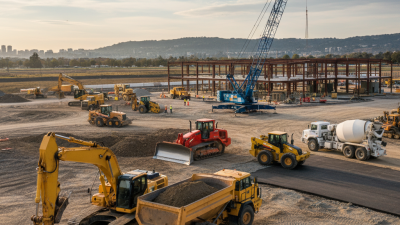
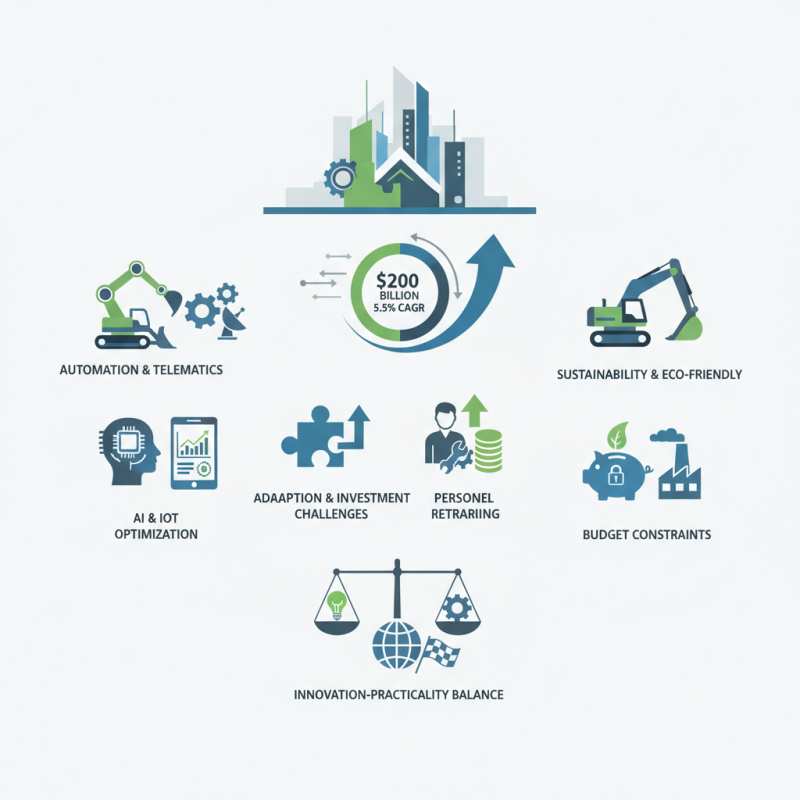
The heavy equipment machinery industry is on the brink of significant transformation by 2026. According to a recent report by Markets and Markets, the global heavy machinery market is expected to reach over $200 billion by 2026, growing at a rate of 5.5% annually. This growth reflects emerging trends like automation and telematics that are rapidly reshaping operations.

Technological advancements are leading the charge. Innovations in artificial intelligence and IoT are integrating into heavy equipment machinery, optimizing performance and enhancing safety. However, with this evolution come challenges. Companies must adapt to new technologies, which can require substantial investments and retraining of personnel.

Moreover, sustainability is becoming a critical focus. Many firms are exploring eco-friendly machinery options. While this shift is promising, the transition can be taxing for companies bound by budget constraints. It is vital for industry players to balance innovation with practicality while preparing for a competitive future.
Top Heavy Equipment Machinery Trends in 2026 What to Expect

Emerging Technologies in Heavy Equipment Machinery for 2026
Top Heavy Equipment Machinery Trends in 2026 What to Expect

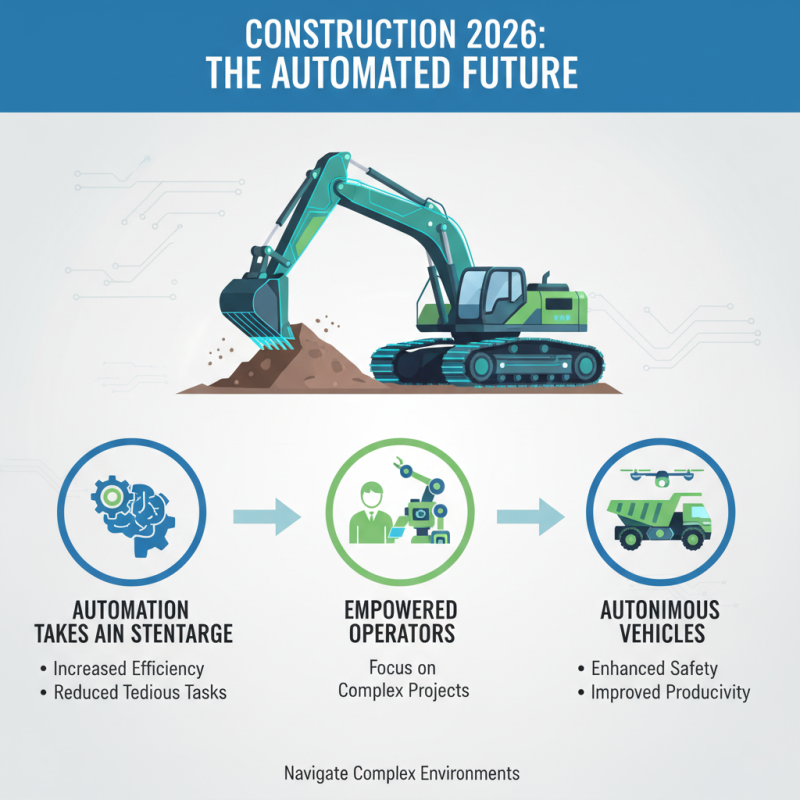
As we look toward 2026, heavy equipment machinery will undergo significant transformations. Automation is taking center stage, making machines more efficient. These advancements will empower operators to focus on larger projects, leaving tedious tasks to machines. Expect to see increased use of autonomous vehicles on construction sites. These vehicles can navigate complex environments, improving safety and productivity.

Another trend is the integration of IoT technology. Sensors will monitor equipment in real-time. This capability can predict maintenance needs and reduce downtime. Imagine a bulldozer that alerts operators before a breakdown occurs. Such innovations could save both time and money. However, the reliance on technology raises questions about cybersecurity. Protecting sensitive data will become more critical.

Sustainability is also at the forefront. Eco-friendly machinery is in demand. Electric-driven vehicles and alternative fuel options are gaining traction. While these options can reduce emissions, they may not perform as well in all scenarios. The challenge lies in balancing performance with environmental responsibility. Companies must rethink their strategies to adapt to these evolving demands.
Sustainability Trends Impacting Heavy Equipment Manufacturing

The heavy equipment industry is undergoing a transformative shift towards sustainability. Manufacturers are prioritizing eco-friendly processes. This change helps reduce emissions and waste during production. For instance, the use of recycled materials is gaining prominence. It promotes a circular economy within the sector. By reusing components, companies can minimize their environmental footprint.

Electric machinery is becoming more common. These machines offer greener alternatives to traditional diesel-powered models. However, they often face challenges regarding charging infrastructure and battery lifespan. The transition to electric machinery requires significant investment and upfront costs. Some companies may struggle with this change. Innovations in battery technology can help solve these issues. Yet, adoption rates vary greatly across regions.

Additionally, regulatory pressures are intensifying. Governments worldwide are setting stricter emissions standards. This pushes manufacturers to innovate more rapidly, yet some lag behind. The commitment to sustainable practices raises questions. Are these changes genuinely effective? The industry needs to reflect on how to measure these impacts. Embracing sustainability is not just about compliance but also about reputation.

Top Heavy Equipment Machinery Trends in 2026

This chart illustrates the expected market adoption rates of various heavy equipment machinery trends in 2026, emphasizing the increasing focus on sustainability and innovative practices within the industry.

The Role of Automation in Future Heavy Machinery Operations

As we approach 2026, automation will reshape heavy machinery operations in profound ways. Increased efficiency and precision will be prominent. Automated machinery will handle tasks that are dangerous or labor-intensive. For instance, drones may be used for site surveys. This reduces human error and enhances safety.


However, automation is not without challenges. There will be a significant shift in workforce requirements. Operators will need new skills to interact with automated systems. Training programs may struggle to keep up with technology. The industry must address potential job displacement. This requires a strong focus on reskilling the workforce.


Moreover, reliance on automated systems raises questions about reliability. System failures can hinder operations and lead to costly downtimes. Companies must adopt robust contingency plans. They'll also need to ensure that these systems can adapt to changing environments. The road ahead is one of opportunity, but also of reflection and caution.

Market Dynamics Shaping Heavy Equipment Demand in 2026

As we look toward 2026, the heavy equipment market is undergoing significant shifts. The increase in construction projects worldwide is a key driver. This surge fuels demand for advanced machinery. Moreover, sustainability concerns push companies to adopt eco-friendly equipment. Many industry leaders are exploring electric and hybrid options. This shift could reshape operational practices entirely.

Technology integration also plays a crucial role. Automation and intelligent systems enhance efficiency and safety. However, not all companies are ready to embrace these changes. Some are hesitant due to high upfront costs and training requirements. This presents an opportunity for further discussion. How can the industry encourage adoption among lesser-prepared firms?

In addition, workforce dynamics are evolving. The labor market is tightening, leading to a shortage of skilled operators. Investing in training programs is essential. Yet, obstacles remain, like the time required for skills development. It's crucial to address these gaps, lest the progress we expect in 2026 fall short. Addressing these market dynamics will shape a more resilient future for heavy equipment machinery.

Predicted Innovations in Heavy Machinery Design and Functionality

Top Heavy Equipment Machinery Trends in 2026 What to Expect

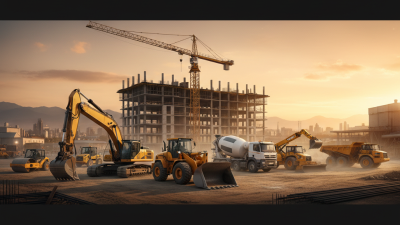
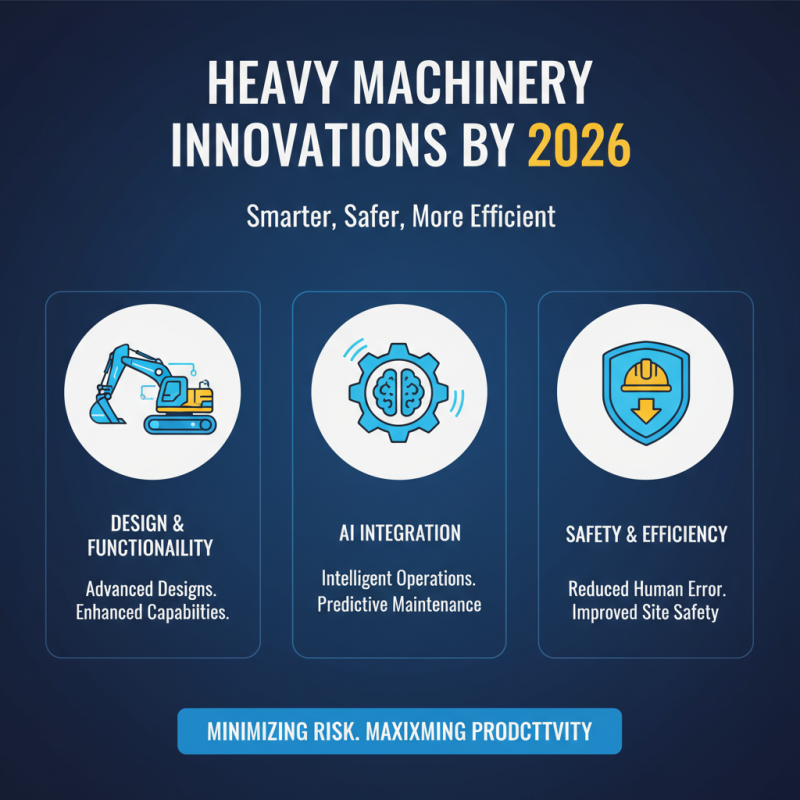
The heavy machinery sector is on the cusp of remarkable innovations by 2026. Many advancements are in design and functionality. Expect to see smarter machines that utilize AI for operational efficiency. These innovations aim to minimize human error and improve safety on construction sites.

Tips for adapting to these changes: Stay updated with emerging technologies. Embrace training for operators on new software. Understand that transitions may bring challenges. Proper management can ease the integration of advanced machinery.

Electric and hybrid machines are gaining traction. Companies are focusing on sustainable operations. Eco-friendliness will attract more clients. However, some older models may struggle to transition. It’s essential to evaluate existing fleets critically. Not all machines will seamlessly adapt, and some may need replacements. Knowing this can save costs in the long run.