What is a Metal Working Machine and Its Benefits for Buyers?
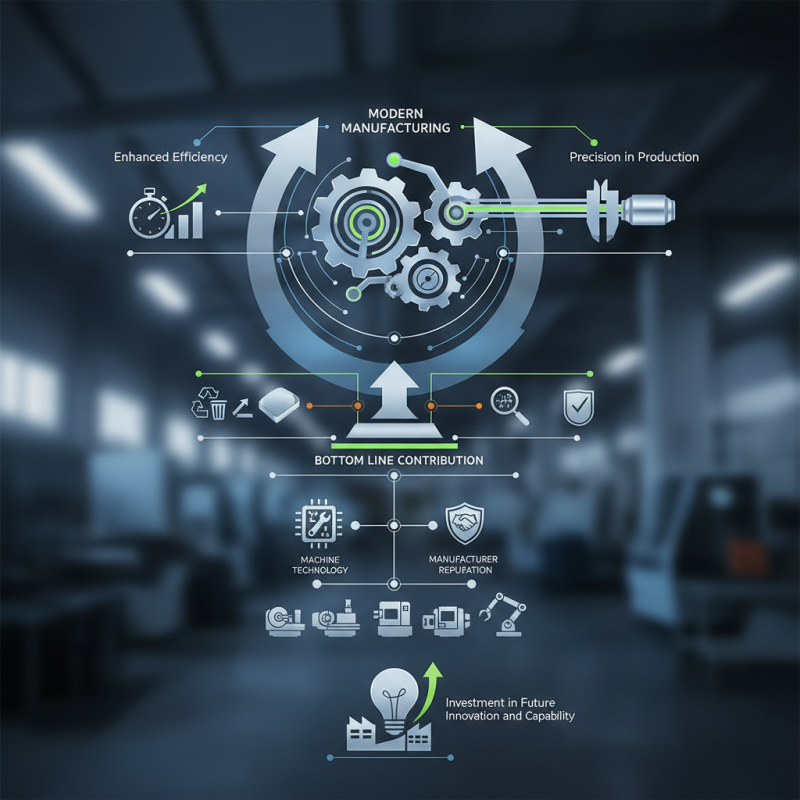
Metal working machines are essential tools in modern manufacturing. According to a recent report by Research and Markets, the global metalworking machinery market is projected to reach $210 billion by 2025. This growth highlights the increasing importance of these machines in diverse industries. Buyers benefit from investing in metal working machines through enhanced efficiency and precision in production.
These machines contribute significantly to the bottom line. They enable manufacturers to produce high-quality components with reduced waste. However, selecting the right machine can be challenging. Buyers need to consider factors like machine technology and manufacturer reputation. Different types of machines serve various purposes, from CNC lathes to milling machines.
Moreover, while there are many options available, it is crucial for buyers to evaluate their specific needs against the features offered. Understanding this can lead to optimizations that impact overall productivity. Metal working machines are not just tools; they are investments in future innovation and capability for manufacturers.
Definition and Overview of Metal Working Machines
Metal working machines are essential tools in various industries. They are designed to manipulate metal into desired shapes and sizes. Typical processes include cutting, bending, and milling. These machines enable high precision and efficiency. A well-functioning metal working machine enhances productivity and quality in manufacturing.
When choosing a metal working machine, consider the specific needs of your projects. Think about the materials you will use and the desired outcomes. Ask yourself: What type of work will I perform most often? An effective machine meets these requirements.
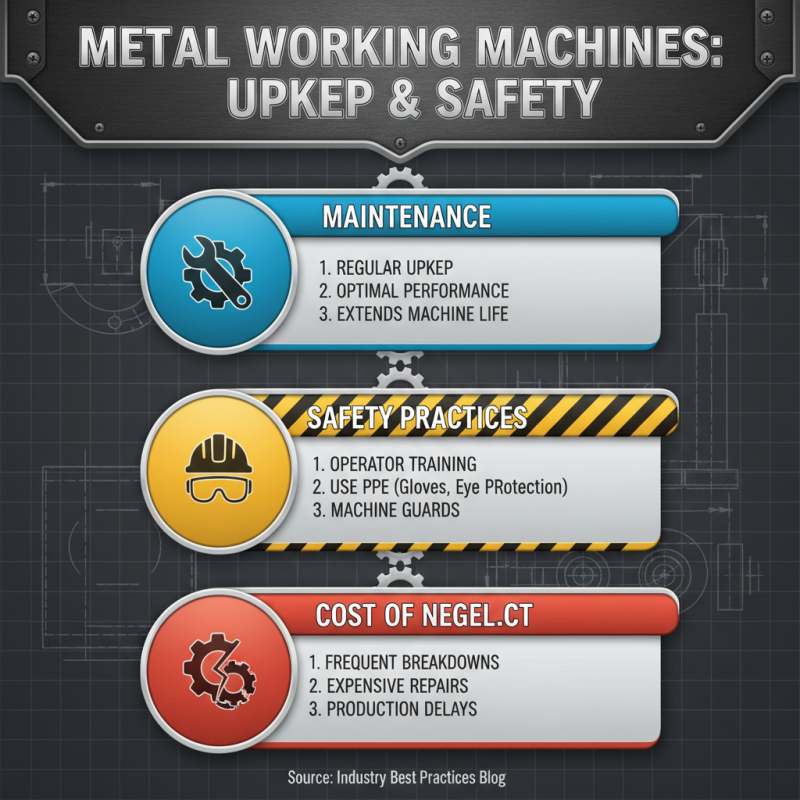
Tip: Regular maintenance of your machine is crucial. This ensures optimal performance and longevity. A worn-out machine can lead to costly mistakes.
Many buyers overlook the importance of training. Understanding how to operate your machine improves safety. Skilled operators achieve better results with less waste. Take time to invest in training sessions for your team.
Types of Metal Working Machines and Their Functions
Metal working machines are essential in various industries. These machines include lathes, milling machines, and grinders. Each serves a unique purpose in shaping and finishing metal components. According to a report by Research and Markets, the global metalworking machinery market is expected to grow by $29.22 billion between 2021 and 2025. This indicates a steady demand for efficient metalworking solutions.
Lathes are crucial for creating cylindrical parts. They rotate the metal while a cutting tool shapes it. Grinders, on the other hand, are used for finishing processes. They ensure precise dimensions and smooth surfaces. A study by McKinsey reveals that advanced manufacturing techniques boost productivity by up to 30%. Such improvements highlight the importance of having the right metal working machines.
While technological advancements are promising, they come with challenges. Operators need training to fully utilize these machines. A lack of skilled labor can hinder production efficiency. Moreover, the initial investment in high-quality metal working machines may be significant. Buyers must weigh these factors against potential long-term gains.
What is a Metal Working Machine and Its Benefits for Buyers? - Types of Metal Working Machines and Their Functions
| Type of Machine |
Function |
Benefits |
Applications |
| Lathe |
Rotates a workpiece against a cutting tool |
Precision shaping and customization of metal parts |
Aerospace, automotive, and machinery manufacturing |
| Milling Machine |
Uses rotating cutters to remove material from a workpiece |
Versatility in creating complex shapes and features |
Industrial fabrication and tool making |
| Drill Press |
Drills holes into metal and other materials |
Consistency and accuracy in hole placement |
Construction and maintenance tasks |
| Band Saw |
Cuts metal sheets and objects using a toothed band |
Efficient cutting of various materials with minimal waste |
Metal processing and fabrication industries |
| CNC Machine |
Automated control of machining tools through computer programming |
High precision and repeatability in production |
High-volume production in aerospace and automotive |
Key Benefits of Metal Working Machines for Buyers
Metal working machines play a vital role in modern manufacturing processes. They enable precise shaping and fabrication of metal components. A report from the International Federation of Robotics indicates a rise in robot usage in metalworking, with an annual growth rate of 12%. This trend shows how essential these machines are for enhancing productivity.
One key benefit of metal working machines is their ability to reduce production time. Faster machining processes lead to significant cost savings. For example, a study by the Association for Manufacturing Technology found that automating machining operations can increase production speed by up to 50%. This efficiency allows businesses to meet customer demands more effectively.
Moreover, the quality of finished products improves. Better consistency and fewer defects result from using advanced technology. Interestingly, research from the National Institute of Standards and Technology highlights that implementing these machines can reduce errors by 30%. However, buyers must consider the initial investment and ongoing maintenance costs. Understanding these factors helps in making informed decisions. This reflective approach can lead to better long-term outcomes in metalworking operations.
Factors to Consider When Purchasing Metal Working Machines
When considering the purchase of metal working machines, several key factors come into play. First, assess the type of metal you will often work with. Different machines cater to materials like aluminum, steel, or copper. Understanding the specific needs of your projects is crucial.
Capacity is another essential aspect. Evaluate how much work you expect the machine to handle daily. Machines with insufficient power or capacity may limit productivity.
Consider the machine's precision. High-quality machines offer better accuracy, which leads to less waste. Ensure you research additional features, such as automation capabilities. These can significantly enhance efficiency and reduce labor costs. However, they may come with a steeper learning curve.
It's vital to gauge your team's skill level and training needs before making a decision.
Don't overlook safety features during your review. Machines must adhere to safety standards to protect operators. A lack of proper safety measures can lead to accidents.
Finally, explore the availability of parts and technical support. A reliable supplier can save you from extended downtimes and costly repairs. The goal is to select a machine that aligns with your operational needs while ensuring long-term reliability.