
...

Top Plant Machinery Trends You Need to Know for 2026?

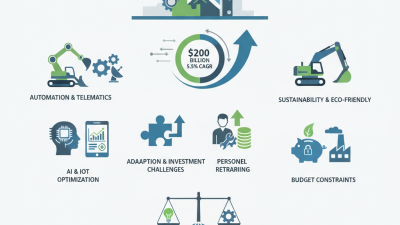
As we approach 2026, the plant machinery sector is undergoing significant transformations. According to the latest report from Global Industry Analysts, the global plant machinery market is projected to reach $200 billion by 2026. This growth is driven by advancements in automation, sustainability, and digital technologies. Companies are increasingly adopting smart machinery to enhance efficiency and reduce costs.

However, the rapid pace of innovation brings challenges. Many businesses struggle to keep up with new technologies and standards. For instance, the rise of artificial intelligence in machinery can lead to operational delays if not properly integrated. Moreover, ensuring compliance with evolving regulations remains a critical issue. Firms must invest in training and adaptation to harness these technologies fully.

Additionally, a focus on sustainability is reshaping the industry. As reported by McKinsey, 70% of industry leaders prioritize eco-friendly practices. This includes reducing emissions and energy consumption in plant machinery operations. However, achieving sustainability goals is not without its hurdles. Companies must balance cost-efficiency with environmental responsibilities. The future of plant machinery will require strategic thinking and adaptability in this dynamic landscape.
Top Plant Machinery Trends You Need to Know for 2026?

Emerging Technologies Shaping Plant Machinery by 2026

Emerging technologies are set to transform plant machinery by 2026. Artificial intelligence (AI) is at the forefront of this evolution. AI-enabled machinery can analyze performance data, leading to improved efficiency and reduced downtime. A recent report predicts that AI in machinery could enhance operational efficiency by up to 30%. This shift showcases the need for industry professionals to embrace digitalization.

Another significant trend is the rise of automation. Autonomous vehicles and drones are increasingly prevalent in large-scale operations. They allow for precision and can significantly reduce labor costs. According to a survey, 65% of plant managers believe automation will be essential by 2026. However, the integration of such technologies poses challenges. The workforce may face displacement, leading to concerns about job security.

Sustainability is a pressing issue driving innovation. The demand for eco-friendly machinery is rising. Many companies are focusing on energy-efficient designs. Reports highlight that implementing sustainable practices can lower operational costs by 15% over time. Although these advancements are promising, the industry must address the balance between investment in new technologies and ongoing operational costs. This reflection is vital for long-term sustainability and growth.

Top Plant Machinery Trends You Need to Know for 2026

Trend Description Impact on Industry Expected Adoption Rate (%)
Automation and Robotics Increased integration of automated systems and robotics in plant operations. Improved efficiency and reduced labor costs. 75%
IoT and Connected Equipment Utilization of IoT for real-time monitoring and data analytics. Enhanced decision-making through data insights. 82%
Sustainability Focus Adoption of greener technologies and energy-efficient machinery. Reduction of carbon footprint and compliance with environmental regulations. 68%
Artificial Intelligence Use of AI for predictive maintenance and operational optimization. Minimized downtime and increased productivity. 70%
Advanced Materials Development of lighter, stronger materials for machinery. Enhanced performance and reduced manufacturing costs. 65%

The Rise of Electrification in Heavy Machinery

The heavy machinery industry is undergoing a significant transformation. A notable trend is the rise of electrification. More construction sites are opting for electric machinery. This shift reduces greenhouse gas emissions and lowers operating costs. Electric machines require less maintenance and can be more efficient than their diesel counterparts.

Electric machinery is becoming versatile. Battery technology has improved, enabling longer operational hours. As legislation on emissions tightens, companies are investing in electric solutions. However, the transition has challenges. Some sites may not have the infrastructure for charging. Delays in deployment could impact project timelines.

There's also a skills gap to consider. Workers need training to operate new electric machinery effectively. This transition is not merely technical; it requires a cultural shift. Companies must embrace this change while reflecting on their current practices. Balancing innovation with existing capabilities will be crucial as the industry moves toward electrification.

Sustainability Trends Driving Eco-Friendly Plant Equipment

Sustainability is at the forefront of plant machinery trends as we approach 2026. The construction and manufacturing sectors are increasingly adopting eco-friendly practices. This shift is driven by a need to reduce carbon footprints. Companies are seeking ways to minimize waste and optimize resource use. Equipment designed for energy efficiency and lower emissions is becoming essential.


Many manufacturers are investing in innovative technologies. This includes electric-powered machinery and advanced materials that enhance durability. These developments help reduce environmental impact. However, not all innovations are foolproof. Some may fall short in performance or efficiency when compared to traditional systems. It's crucial to evaluate their long-term benefits and costs.


As the industry evolves, businesses must remain adaptable. The focus on sustainability can lead to improved operational efficiency. There is a need for continuous learning and adaptation. Stakeholders should seek feedback and adjust strategies accordingly. Embracing these changes can lead to a more sustainable future. Yet, it’s important to acknowledge the challenges that lie ahead.

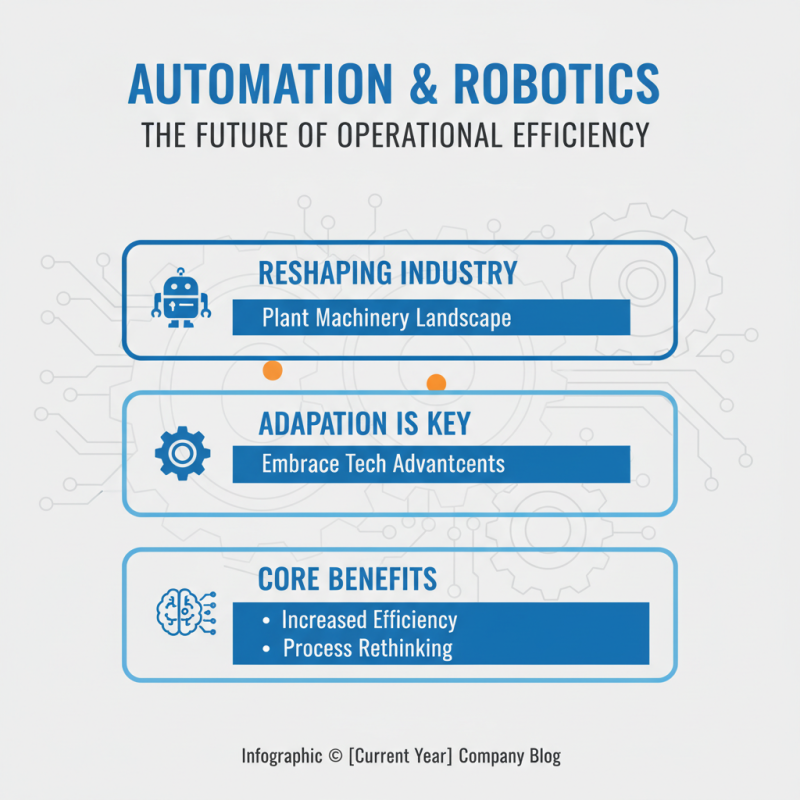
Automation and Robotics: The Future of Operational Efficiency

Top Plant Machinery Trends You Need to Know for 2026?

In the coming years, automation and robotics will reshape the plant machinery landscape. Companies must adapt to these technological advancements. Integrating smart machines can lead to heightened operational efficiency. This shift is not just about investment; it's about rethinking processes.

Robotics in manufacturing can streamline tasks and reduce human error. Yet, many factories face challenges when implementing these systems. Training employees is crucial to ensure everyone is on board with new technologies. Without proper guidance, robots may not fulfill their intended roles effectively.

The promise of greater efficiency comes with realistic concerns. Over-reliance on automation might lead to job displacement. Workers may feel unsure about their future roles. Companies must strike a balance between innovation and maintaining a skilled workforce. Embracing change is essential, but reflection on human roles remains necessary.

Market Forecast: Growth Projections for the Plant Machinery Sector

The plant machinery sector is poised for significant growth in the coming years. According to a report by MarketsandMarkets, the global plant machinery market size is expected to reach approximately $185 billion by 2026, expanding at a compound annual growth rate (CAGR) of around 5.5%. This growth indicates robust demand driven by advancements in automation and increased infrastructure projects worldwide.

Factors influencing this growth include rising construction activities and a shift toward sustainable machinery. A report from Research and Markets highlights that the increasing adoption of electric and hybrid machines will play a key role. By 2025, nearly 30% of all new equipment sold is projected to be electric, pointing to the industry's response to environmental concerns.

However, challenges persist, such as supply chain disruptions and fluctuating raw material costs, which require careful navigation.

Investment in technology is also crucial. Manufacturers are focusing on smart machinery equipped with IoT capabilities. This can enhance efficiency but raises concerns about cybersecurity. The industry must adapt and develop strategies to safeguard data integrity while pushing for innovation. Keeping up with these trends is essential for stakeholders aiming for sustainable growth in this evolving market.