

In today's fast-paced world, Smart Sensors play a crucial role in home automation. These innovative devices enhance convenience, security, and energy efficiency. As technology evolves, homes become smarter, adapting to our needs seamlessly.
Smart Sensors can detect motion, temperature, and humidity levels. They communicate with other devices, creating a cohesive smart home ecosystem. This connectivity allows homeowners to manage appliances remotely. However, not all Smart Sensors are created equal. Some may lack accuracy or reliability, leading to frustration.
It’s essential to choose Smart Sensors from reputable brands. Doing so ensures you invest in quality technology. Consider the specific needs of your home. Evaluate how different sensors can work together. This approach fosters a truly automated experience, enhancing everyday life while reflecting on personal preferences.
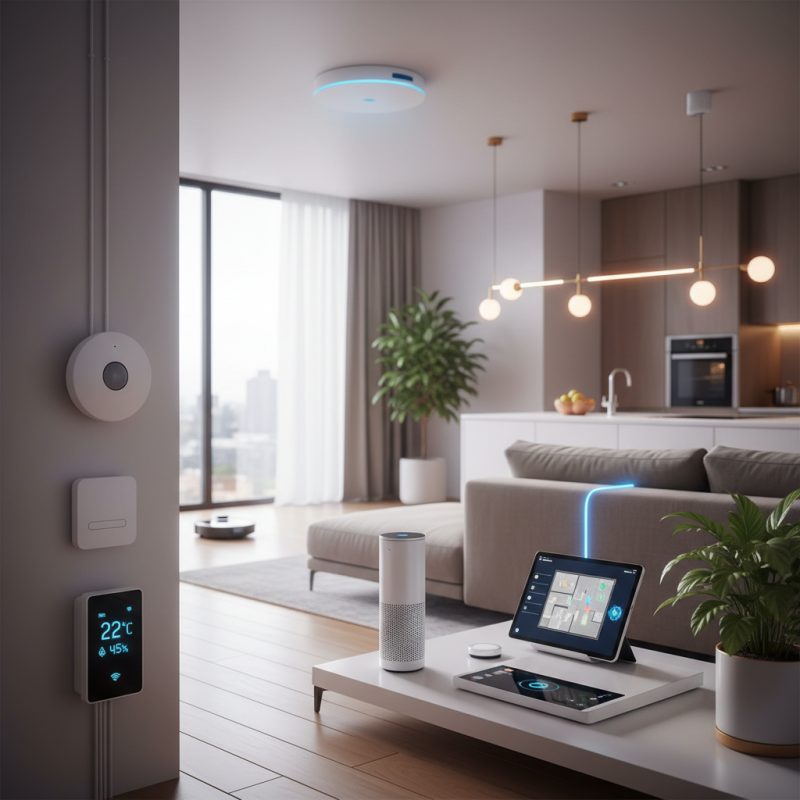
Smart sensors are transforming home automation. They act as the eyes and ears of smart homes. These devices collect crucial data on various parameters. This information helps optimize energy use and enhance comfort. For instance, motion sensors detect movement. They can trigger lights or alarms, increasing safety.
Temperature sensors adjust heating and cooling. They ensure a consistent climate while saving energy. Humidity sensors monitor moisture levels. This can prevent mold growth. Each sensor plays a critical role in maintaining an efficient home environment. However, the integration of multiple devices can pose challenges. Compatibility issues might arise between different sensor types.
Data security is another concern. Smart sensors often collect sensitive information. Homeowners must ensure these devices are protected from cyber threats. Regular updates and secure networks are essential. While smart sensors offer immense benefits, awareness of potential issues is vital. Striking a balance between convenience and security should be a priority for all homeowners.
| Sensor Type | Functionality | Key Features | Typical Use Cases | Average Price (USD) |
|---|---|---|---|---|
| Motion Sensor | Detects movement | PIR technology, Adjustable sensitivity | Security systems, Automated lighting | $20 - $50 |
| Temperature Sensor | Monitors ambient temperature | High accuracy, Wireless connectivity | HVAC systems, Smart thermostats | $10 - $30 |
| Humidity Sensor | Measures moisture levels | Accuracy within 3%, Compact design | Dehumidifiers, Climate control | $15 - $35 |
| Light Sensor | Detects light levels | Analog and digital outputs | Smart lighting systems, Daylight harvesting | $10 - $25 |
| Gas Leak Sensor | Detects harmful gases | Audio alarms, Quick response time | Home safety, HVAC systems | $30 - $70 |

Smart sensors are pivotal in creating efficient home automation solutions. These devices gather data from the environment, which makes them crucial for enhancing energy management, security, and convenience. According to a report by MarketsandMarkets, the smart sensor market is expected to reach $44.75 billion by 2026, driven by technology advancements and rising consumer demand for smart homes.
Key features of effective smart sensors include real-time data processing and adaptability. Real-time processing allows immediate responses to environmental changes. For instance, motion sensors can detect movement and trigger lights, enhancing safety and convenience. Adaptability means sensors can integrate seamlessly with other smart devices. Research indicates that 80% of consumers prefer systems compatible with both new and existing smart technologies.
Yet, not all smart sensors perform equally. Some might face connectivity issues or have limited battery life. Feedback from users often highlights a desire for more reliable notifications and less false alarms. Improving these areas can significantly enhance user experience. Furthermore, ongoing advancements in sensor technology underline the need for continuous evaluation and updates in product designs for maximum efficiency.
Smart sensors play a crucial role in home automation. They enhance convenience and improve security. Various categories of smart sensors cater to different needs in homes.
Temperature sensors help manage heating and cooling. They maintain a comfortable indoor environment. Light sensors adjust lighting based on natural light levels. This can save energy and reduce electricity bills. Motion sensors enhance security. They alert homeowners to any unusual activity.
Moisture sensors can prevent water damage. They monitor areas prone to leaks, such as basements and kitchens. Sound sensors detect glass breaking or unusual noises, adding an extra layer of safety. However, the effectiveness of these sensors can vary. Connectivity issues may occur, leading to false alarms or missed alerts. Thus, testing and proper placement of sensors are essential for optimal performance.
This chart represents the popularity of different smart sensors used in home automation solutions. Motion sensors lead the way, followed by smoke detectors and other types of sensors.
Integrating smart sensors into home automation systems can enhance efficiency and comfort. A recent report shows the smart home market is projected to reach $174 billion by 2025, driven by innovations in sensor technology. Smart sensors, such as motion detectors and temperature sensors, can optimize energy use and improve security. They collect data and provide insights that allow homeowners to make informed decisions.
Tip: Choose sensors that support multiple protocols for better compatibility with various devices. This can save you time and frustration during setup.
Smart sensors can sometimes lead to over-automation. An excess of data can complicate decisions rather than simplify them. For instance, homeowners may struggle with alert fatigue if too many notifications are sent from connected devices. Balancing automation with personal oversight is essential.
Tip: Regularly review your automation settings to ensure they meet your current needs. This can help avoid unnecessary disruptions in daily life.
The evolution of smart sensor technology is transforming home automation. As homeowners seek enhanced efficiency, smart sensors are becoming essential. According to a report by MarketsandMarkets, the global smart home market is projected to reach $174 billion by 2025, underscoring the growing demand for innovative solutions.
Smart sensors enhance various aspects of home life, from temperature regulation to security. They can optimize energy consumption, minimizing utility costs. A recent study revealed that homes equipped with smart sensors can reduce energy use by up to 30%. This is particularly important as more consumers prioritize sustainability. As we embrace these technologies, it’s vital to consider privacy and data security. The rise of interconnected devices raises potential vulnerabilities that need addressing.
When integrating smart sensors, start small. Install a few devices to monitor energy use or security first. Evaluate their performance before widespread implementation. Investing in quality sensors is crucial; lower-cost options may lack reliability. Always stay informed on the latest trends and potential risks in smart home technology. This awareness allows for better decision-making, ensuring a smooth transition to a more automated and efficient home environment.
