

...

What is a Snack Ball Making Machine and How Does it Work?

The Snack Ball Making Machine is revolutionizing the snack industry. This innovative equipment streamlines the process of creating delicious snack balls with precision and efficiency. According to industry expert, Dr. Emily Robinson, “The Snack Ball Making Machine not only enhances production but also maintains the quality of the snacks.”

This machine utilizes advanced technology to shape, mix, and cook ingredients into perfectly round snack balls. From protein-packed energy bites to sweet treats, the Snack Ball Making Machine caters to diverse consumer preferences. However, the quality of raw materials is essential for optimal results.

Moreover, a proper understanding of machine settings is crucial. It’s important to monitor the process closely to avoid inconsistencies in flavor or texture. Enthusiasts in the industry have found that while the machine offers convenience, it also requires careful calibration to achieve the best outcomes. Ongoing innovation aims to improve these machines, ensuring they meet the ever-changing market demands effectively.
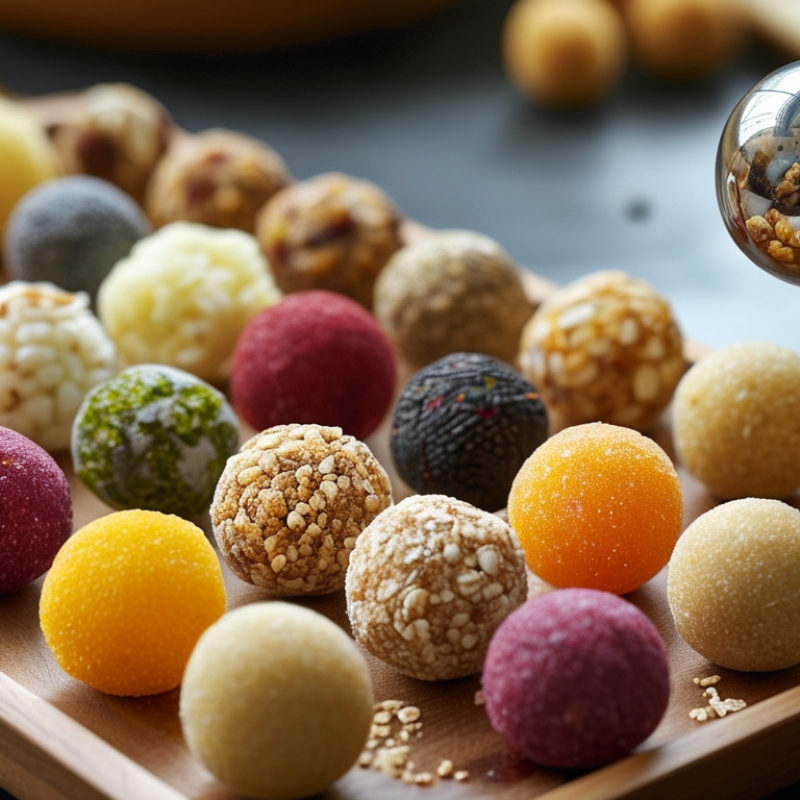
What is a Snack Ball Making Machine and How Does it Work?

What is a Snack Ball Making Machine?

A Snack Ball Making Machine is a specialized device used in food production. It shapes various ingredients into spherical forms, perfect for snacks. These machines can handle different recipes and sizes. They mix dough, create uniform balls, and prepare the snacks for cooking or packaging. When using this machine, consistency is key. Each ball must be uniform for quality control.

The process begins with ingredients being fed into the mixer. The machine kneads the mixture until a dough forms. Next, a shaping component molds the dough into balls. Temperature and timings vary based on the recipe. Some machines even coat these balls with flavorings or crumbs. Despite the automation, human oversight is essential for quality checks.

Using a Snack Ball Making Machine offers efficiency, but it challenges operators to maintain quality. The balance between speed and accuracy can be tricky. Machines may require adjustments if they malfunction. Operators must understand the mechanics to troubleshoot effectively. Learning to operate efficiently takes practice and experience, but the rewards are impactful. This machine enables the production of creative, delicious snacks with ease.

Components of a Snack Ball Making Machine

A snack ball making machine consists of several essential components that work together to produce savory snacks. The main parts include a mixer, extruder, and a shaping unit. The mixer blends various ingredients, ensuring a uniform texture. The extruder forces the mixed ingredients through a die, shaping them into balls. Finally, the shaping unit refines the appearance and ensures consistent sizing.

Temperature control is crucial during the extrusion process. Proper heat levels help in achieving the desired texture and taste. Adjusting the temperature ensures that the mixture binds well. However, overheating can lead to undesired results, such as dryness or burnt flavors. Finding the right balance requires attention and experimentation.

Cleaning the machine after each use promotes hygiene and operational efficiency. Caked ingredients can impact performance and product quality. Regular maintenance is also important. Regularly inspect and replace worn-out parts. A proactive approach minimizes downtime and enhances reliability. The machine becomes an asset in producing tasty, appealing snacks.

Snack Ball Making Machine Components

How the Snack Ball Making Machine Operates

The snack ball making machine is designed for efficiency and versatility. It compresses mixtures of ingredients, forming them into bite-sized snacks. The machine typically operates through several stages: mixing, shaping, and drying. Each stage is crucial for achieving consistency and flavor.

During the mixing phase, precise ratios of ingredients are vital. Studies show that a consistent mixture improves final product quality by 30%. After mixing, the machine shapes the mixture into balls using molds, ensuring uniform size. This uniformity is essential for packaging and consumer appeal. The shaping section can operate at speeds of up to 200 balls per minute, increasing production capacity.

The drying process can be complex. Proper temperature control is needed to achieve the perfect texture. Reports indicate that improper drying can lead to a moisture level above 5%, impacting shelf life. Operators must keep a close eye on conditions to avoid product spoilage. Continuous monitoring is essential for maintaining product standards and minimizing waste. Balancing efficiency with quality remains a challenge for many producers in this industry.

Benefits of Using a Snack Ball Making Machine

Snack ball making machines are innovative devices that streamline the process of creating delicious snack balls. These machines offer numerous benefits for both home cooks and commercial food producers. One major advantage is efficiency. By automating the mixing and shaping processes, these machines save time and labor. Users can produce a large quantity of snack balls consistently, ensuring uniform size and texture.

Additionally, the machines often come with adjustable settings. This allows users to customize flavors and ingredients easily. Whether you’re making energy balls or protein-packed treats, flexibility is key. Moreover, the output quality of these machines typically surpasses manual methods. With standardized processes, there’s less chance of human error. However, novices may find the initial learning curve steep.

Not all machines are created equal. Some may lack durability or efficiency. It's important to research and choose wisely. Regular maintenance is also crucial for longevity. This ensures the machine operates smoothly over time. While they are valuable tools, users should remain vigilant and proactive in their upkeep.

Applications of Snack Ball Making Machines in the Food Industry

Snack ball making machines play a significant role in the food industry. These machines streamline the process of creating snack balls, which are popular among consumers for their convenience and flavor. The process involves mixing ingredients, forming balls, and cooking them to perfection. Manufacturers can customize recipes according to market trends while maintaining a consistent product.

In production, efficiency is key. Snack ball making machines reduce labor costs and enhance output. They can produce large batches quickly, meeting increasing demand. The machines also ensure uniformity in size and shape, which is essential for packaging and branding. However, not all manufacturers can achieve the same quality. Some may struggle with ingredient consistency, affecting taste and texture.

Enthusiasts in food production often overlook maintenance. Regular checks on the machine are crucial to prevent breakdowns. It’s easy to ignore this until it leads to production halts. Investing time in machine upkeep can save costs in the long run.

Innovation in recipes can help brands stand out. Trying new flavors or healthier ingredients attracts attention. But these changes require careful testing. One wrong adjustment can spoil the batch or alienate consumers. Food professionals should embrace creativity but balance it with reliability.

What is a Snack Ball Making Machine and How Does it Work? - Applications of Snack Ball Making Machines in the Food Industry

Dimension Description
Machine Type Automatic Snack Ball Making Machine
Production Capacity 500-1000 kg/hour
Power Consumption 15-30 kW
Material Used Stainless Steel
Machine Weight 1500 kg
Application Areas Snack Production, Food Processing Plants, Small Businesses
Key Features High Efficiency, Easy to Operate, Low Maintenance
Operational Modes Manual and Automatic
Typical Output Size 10-20 grams per ball
Price Range $10,000 - $30,000