

...

What Is the Standard GI Pipe Length in Feet?

Gi Pipe Length In Feet is often described as 20 feet, but that figure is a useful buying convention—not a universal rule. Many suppliers stock galvanized steel pipe in six-meter lengths, equal to about 19.7 feet, and commonly round this to 20 feet. Actual delivery lengths can vary with the mill, order specification, pipe size, and transport requirements. A pipe that looks standard in a catalog may arrive a little shorter or longer.

For a reliable check, compare the supplier’s product data sheet with ASTM A53/A53M, a widely used specification covering galvanized steel pipe. ASME B36.10M helps verify pipe dimensions, but it does not establish one universal shipping length. Ask for the stated cut length and tolerance before estimating supports, joints, or installation space. Small differences matter: a few inches can shift a coupling near a wall or leave a run short.

The evidence has limits. Standards and catalogs describe product requirements and stock offerings; they do not prove that every GI pipe is sold at one length. No verifiable named-expert quotation was supplied for this topic, so I will not invent one. That restraint matters. Treat 20 feet as a common reference, then confirm the exact length on the quotation and delivery documents.
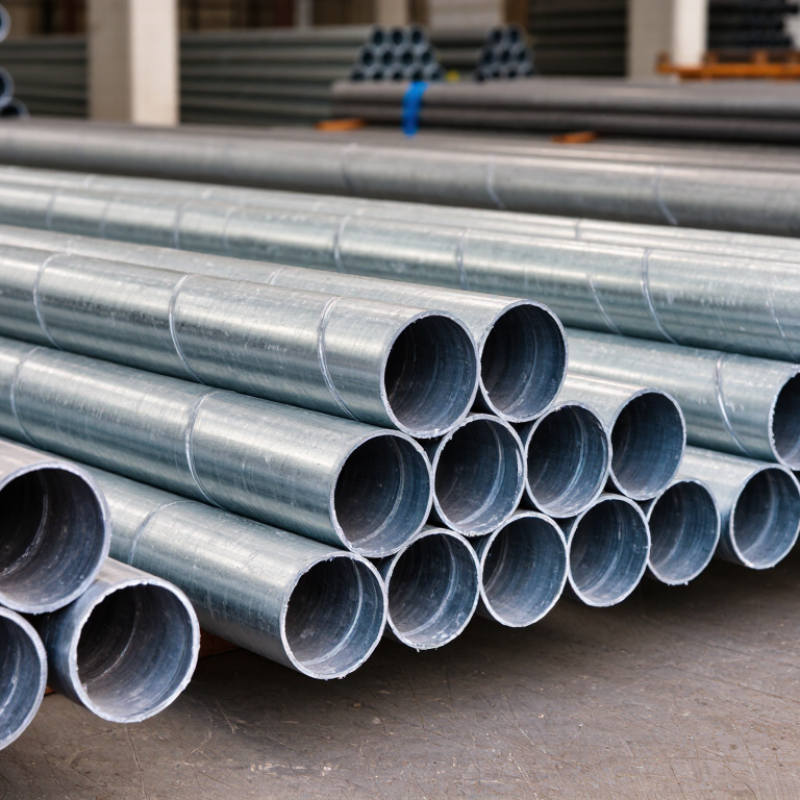
What Is the Standard GI Pipe Length in Feet?

What GI Pipe Means and How It Is Measured

GI pipe usually means galvanized iron pipe, though modern products are commonly steel coated with zinc. The coating helps limit rust on the pipe’s surface. “GI” describes the material and finish, not one fixed diameter or length.

Pipe size can be confusing. A stated size is often nominal, meaning it is a standard designation rather than the pipe’s exact outside diameter. For example, a 1-inch nominal pipe does not measure exactly 1 inch across its exterior. Check the product schedule or a supplier’s dimensional table when fittings must match. Measure diameter across the outside edges, and measure length from one cut end to the other.

In many markets, GI pipe is supplied in lengths near 20 feet, equivalent to about 6 metres. That is a common stock length, not a universal rule; some suppliers offer shorter pieces or cut-to-size sections. Measure the usable pipe, not a threaded fitting or socket attached to it. A tape measure and a clear note of nominal size, outside diameter, and total length prevent avoidable ordering mistakes. The labels can still feel misleading. Verify them before installation.

The Common Standard Length of a GI Pipe in Feet

For many construction and plumbing applications, the common standard GI pipe length is 6 metres, or about 19.7 feet. This is a familiar stock length at steel suppliers and is practical for transport, handling, and installation. The conversion follows the NIST value of 1 metre = 3.28084 feet. In everyday ordering, buyers may call it a 20-foot pipe, though the exact nominal length is closer to 19.7 feet. A small difference matters when planning long runs.

There is no single length that applies to every GI pipe worldwide. ASTM A53/A53M, a widely used specification for steel pipe, addresses ordered pipe lengths and requirements rather than setting one universal retail length for all markets. That distinction is easy to miss. A supplier may stock 6-metre lengths, while a project specification or local market may call for another length. Check the purchase documents and measure the delivered pipe before cutting; coatings, fittings, and site tolerances can affect the usable run. The 6-metre convention is helpful, but it is not a substitute for confirming the actual order.

How Pipe Diameter and Wall Thickness Affect Length Options

Many galvanized iron (GI) pipes are sold in nominal lengths near 20 feet, based on a six-meter mill length. Since six meters equals about 19.7 feet, sellers may describe it as 20 feet. Shorter stock, such as 10-foot lengths, may be available for easier handling. Options depend on regional specifications, production batches, and whether pipes are threaded or cut to order. Check the quote.

Diameter and wall thickness usually do not determine one required pipe length. They affect weight and stiffness, which can influence how pipes are bundled, transported, and stocked. A wide, thick-walled pipe may be harder to move in long sections, while smaller pipe can be easier to cut into shorter pieces. Still, availability can be uneven. Threaded ends matter, too: the quoted overall length may not equal the clear usable span after fittings are installed. That detail is easy to miss. Ask whether the length is measured end to end and whether cutting or threading changes the usable section.

What Is the Standard GI Pipe Length in Feet?

A 20-foot (about 6.1 m) length is a common stock reference for galvanized iron (GI) pipe. Actual lengths and availability depend on the supplier and market.

How diameter and wall thickness affect length options: Diameter and wall thickness mainly affect pipe weight, handling, and shipping—not the nominal stock length itself. The chart is an illustrative 20-foot reference for selected sizes and schedules, not a guarantee of availability. Confirm stock lengths and cut-to-length options with your supplier.

Why GI Pipe Lengths May Vary by Supplier or Region

Many suppliers list galvanized iron pipe in 6-meter lengths, roughly 19.7 feet. In some markets, 20-foot stock is common, while other suppliers may carry shorter or longer pieces. “Standard” is useful for planning, but it does not guarantee the exact length on a delivery.

Regional measurement habits, mill production schedules, and shipping limits all affect available sizes. A supplier serving urban projects may stock shorter pipes because they are easier to move through tight sites. Another may offer longer lengths to reduce joints on large runs. That matters. Even a small difference can change how many pipes fit a truck or how much cutting a job needs.

Before ordering, ask whether the quoted length is the actual delivered length and what tolerance applies. Check whether the pipe is plain-ended or threaded, and measure the required run between connection points. Fittings can affect the final installed span. I would not assume that two suppliers use “20 feet” in exactly the same way; that assumption is easy to make, and sometimes costly to correct. Confirm the dimensions in writing, especially when pipes must match existing lines or prefabricated supports.

How to Confirm the Length Before Purchase

What Is the Standard GI Pipe Length in Feet?
How to Confirm the Length Before Purchase

Galvanized steel pipe is commonly stocked in 20-foot lengths; 6-metre lengths are also common, measuring about 19.7 feet. Treat these as typical stock sizes, not guarantees. ASTM A53/A53M, an industry pipe specification, allows length requirements to be stated in purchase orders and recognizes random-length supply. So “standard length” can vary by supplier and order. A nominal 20-foot pipe may not meet your exact usable-length needs.

Before purchase, ask the supplier to confirm the length of each piece, the permitted tolerance, and whether measurement includes threaded ends or fittings. Request the agreed length on the quotation and packing list. For an 18-foot run, account for trimming and connection depth, not just the pipe’s stated length. Measure a sample on arrival and compare it with the order. I would not rely on a product photo. It proves little.

Tips: Write the length in both units, such as 20 ft (6,096 mm), and confirm whether bundled pipes have uniform lengths. Small oversight, costly waste.