

...

What Is a Tile Display Rack Supplier and How to Choose One?

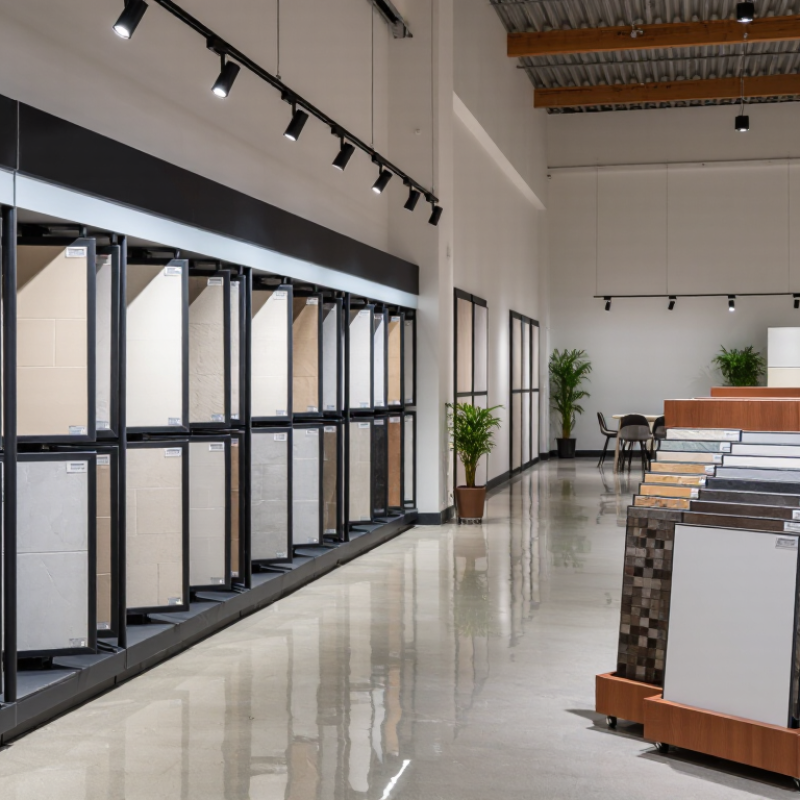
A Tile Display Rack Supplier provides more than metal frames or wooden stands. The right partner helps retailers present tile samples clearly, safely, and consistently. Picture a showroom wall holding heavy-format porcelain beside smaller mosaics. Each sample needs firm support, a readable label, and enough space for customers to compare finishes. A poorly planned rack can make even beautiful tiles hard to inspect.

Details matter. A capable supplier should discuss sample dimensions, rack capacity, finishes, shipping protection, and installation needs. Ask for drawings, material specifications, and photos of comparable projects. Check whether the proposed rack fits your floor plan and whether staff can replace samples without struggling. Price matters, but so do stability, useful sample access, and dependable communication. A low quote can hide unsuitable dimensions or costly adjustments.

A named expert quotation should be verified before publication. No article or source material was supplied here, so inserting a person’s name and claiming they said a sentence would risk inventing authority. Use this transparent placeholder until a reliable interview or published source is available: “[Verified tile-display expert’s name] says, ‘[Insert a confirmed quotation about choosing a tile display rack supplier].’” Then compare suppliers against your actual showroom needs, not polished promises alone. One useful test is simple: can the supplier explain why the rack suits your tiles, traffic, and staff? If the answer stays vague, keep asking. That hesitation is worth noting.
What Is a Tile Display Rack Supplier and How to Choose One?

What a Tile Display Rack Supplier Provides: Frames, Panels, and Sample Storage

A tile display rack supplier provides more than a metal frame. The frame must support the weight of samples and remain steady when visitors slide tiles in and out. Ask about materials, joints, load guidance, and whether the rack can be adjusted for different tile sizes. Small construction details matter.

Panels hold samples at useful viewing angles and keep a display organized. Some suppliers offer removable panels, allowing staff to replace a dated collection without rebuilding the whole rack. Check how panels attach and whether labels can sit beside each tile. A clean layout helps buyers compare color, texture, and finish under showroom lighting.

Sample storage is easy to overlook. Drawers, shelves, or labeled compartments can keep extra pieces close at hand, but they need enough clearance for larger formats. One practical test is to bring a typical sample and check its fit before ordering. Not every layout works. Ask the supplier for dimensions, installation details, and care instructions, then compare them with your floor space and staff workflow. A rack can look efficient in a drawing yet feel awkward when customers gather around it. That deserves a second look.

Common Tile Formats for Display Rack Planning

A tile display rack supplier can provide frames, display panels, and sample storage suited to the tile sizes you need to present. The chart compares common tile format dimensions in millimeters.

Use these representative formats as a starting point when discussing panel spacing, frame capacity, and sample storage. Actual tile dimensions and supplier options vary.

How Tile Size and Weight Determine Rack Capacity and Handling Requirements

A tile display rack supplier provides racks designed to present samples while keeping them accessible and stable. The right design depends on more than the number of tiles. A large porcelain slab can weigh far more than a small ceramic sample, even when both occupy one display slot. Ask the supplier for the rack’s rated capacity per panel and per base, not just its total capacity. Check that figures apply to the tile thickness and dimensions you plan to display.

Size affects handling, too. Wide tiles need enough clearance to slide out without striking nearby samples. Heavy pieces may require low-angle supports, secure stops, or two-person handling. Look for smooth edges and sturdy dividers; a tiny snag can chip a tile. A perfect-looking display can still be awkward to turn, and this is easy to miss during a quick quote. Request a loaded demonstration or a drawing with slot spacing and overall dimensions. Small details matter.

Tips: Share your largest and heaviest tile measurements before ordering. Ask how staff should remove each sample, and whether the rack can be moved safely when loaded. Test it loaded. If the supplier cannot explain the capacity assumptions clearly, pause and review the specification.

Plan Sample Bays Around 600 × 600 mm Tiles (0.36 m² per Tile)

A tile display rack supplier should help turn sample dimensions into a usable showroom layout, not simply quote a frame size. For a 600 × 600 mm tile, each face covers 0.36 m². That figure helps estimate display capacity, but it excludes labels, dividers, and the space needed to grip each sample. Leave room for hands. A tightly packed grid may look efficient on a drawing and feel awkward in daily use.

Ask the supplier for a bay layout showing the number of samples, their orientation, and how each tile is removed. Confirm the rack’s stated load capacity against the actual sample material; two tiles of equal size can have different weights. Check that edges are supported and that finishes remain visible under the showroom’s lighting. Measure the aisle, too. A sample that slides out easily still needs room to be carried safely. Small details matter.

Before ordering several units, request a full-size mock-up or test one bay with real tiles. Check labels, spacing, and whether staff can replace a sample without shifting its neighbors. The 0.36 m² calculation is useful, but it is not a complete design rule. I would recheck the layout after adding price cards and edge profiles; those extras often take more space than expected.

What Is a Tile Display Rack Supplier and How to Choose One? - Plan Sample Bays Around 600 × 600 mm Tiles (0.36 m² per Tile)
Planning Dimension Illustrative Value Calculation or Selection Note
Sample Bay Planning
Tile face size 600 × 600 mm Nominal dimensions used for this sample layout; confirm the actual tile size and thickness before ordering a rack.
Area per tile 0.36 m² 0.6 m × 0.6 m = 0.36 m² per tile face.
Illustrative sample-bay face 1,200 mm wide × 1,800 mm high A planning example, not a standard rack size. Confirm usable display dimensions with the supplier.
Tiles displayed per bay 6 tiles 2 tiles across × 3 tiles high, assuming each tile is displayed face-on with no overlap.
Displayed tile area per bay 2.16 m² 6 tiles × 0.36 m² per tile. This is face area, not the floor area occupied by the rack.
Three-bay display example 18 tiles; 6.48 m² of tile face 3 bays × 6 tiles per bay; 18 × 0.36 m² per tile.
Sample allowance Plan for 20 tiles for an 18-tile display An example allowance of 2 additional tiles for replacement or handling. Adjust to the project’s sample policy.
Information to confirm before layout Tile thickness, weight, edge finish, and mounting method These properties vary by product and affect clip, tray, support, and clearance requirements.
How to Evaluate a Tile Display Rack Supplier
Size and configuration fit Written confirmation for the tile sizes and sample arrangement Ask for usable bay dimensions, the number of samples per bay, and any size limits.
Load and stability information Documented load limits and installation requirements Check that the stated limits apply to the proposed rack configuration and intended tile samples.
Sample access Clear method for inserting, removing, and replacing samples Review the sample-retention method and confirm that samples can be handled without damaging edges or faces.
Materials and finish Specified frame material, finish, and contact surfaces Ask how surfaces that touch tile are protected and how the rack should be cleaned and maintained.
Assembly and installation Assembly instructions and anchoring details, where applicable Confirm site requirements, installation responsibilities, and whether the rack is freestanding or fixed.
Quotation and delivery scope Itemized price, quantities, lead time, and delivery terms Check whether samples, labels, freight, installation, and replacement parts are included or quoted separately.

Check Porcelain Samples Against ISO 13006: BIa Water Absorption ≤ 0.5%

A tile display rack supplier should help retailers present samples clearly, but the rack cannot verify a tile’s technical claims. For porcelain samples, check the classification against ISO 13006:2018: Group BIa tiles have water absorption of no more than 0.5%. ISO 10545-3:2018 describes the test method. Ask for a laboratory report showing the tested sample, method, and measured result—not just a catalogue label. Keep the report beside the sample record.

Look closely at the edges and surfaces. A polished sample may hide differences between production batches, and a rack’s lighting can make colour appear warmer or cooler. Request samples linked to the same product reference as the report. Ceramic World Review’s 2023 industry survey estimated global tile production at about 16.8 billion square metres in 2022, underscoring the scale of product variation across markets. Details matter. A supplier should explain how racks hold heavy boards securely and allow customers to inspect both faces without awkward lifting. One weak point: displayed samples can age, chip, or lose accurate labels. Replace them regularly, and check the paperwork again.

Compare Suppliers on Rated Loads, Safety, Customization, Lead Time, and Service

A tile display rack supplier designs or provides fixtures that hold sample boards, slabs, or boxed tiles for showrooms and trade counters. The right supplier should explain how the rack is built, not just send polished photos. Ask for rated loads per shelf and for the complete unit. A shelf rating alone may not describe how a fully loaded rack behaves. Request test records, material details, and clear loading instructions. Ask for proof.

Safety details deserve close attention. Check for anti-tip features, stable feet, smooth edges, and secure sample retainers. If possible, inspect a loaded unit or request a short video showing it being used. Measure the display area, aisle width, and sample dimensions before discussing customization. Adjustable dividers, angled panels, and replaceable labels can help, but extra features may add cost or delay. That trade-off is easy to miss.

Compare lead times in writing, including drawing approval, production, packing, and delivery. Confirm what happens if parts arrive damaged or a sample holder does not fit. Ask who handles installation questions and how quickly replacement components can be supplied. A neat finish can be persuasive, but I sometimes give it too much weight. A detailed quote, realistic schedule, and responsive technical contact are better signs of a supplier prepared for everyday showroom use.