
In the evolving landscape of manufacturing, machine tools play a crucial role in enhancing productivity and precision. For global buyers in 2026, understanding the complexities of these tools is paramount. As the industry transitions into new technologies, buyers must navigate various considerations to make informed decisions.
One significant aspect is the diverse range of machine tools available. Each tool serves a different purpose, impacting the efficiency of production processes. It's essential to evaluate the specifications and capabilities of each tool thoroughly. Buyers should seek reliable suppliers with a proven track record. Researching their reputation and customer feedback can help ensure a trustworthy purchase.
Moreover, potential pitfalls exist in the selection process. Buyers often overlook maintenance needs or compatibility issues with existing equipment. This oversight can lead to costly repairs or replacements. Identifying these risks early is vital. Knowledgeable buyers will take the time to understand their unique requirements and seek expert advice when necessary. Making informed choices about machine tools can significantly influence the success of manufacturing operations.

When considering machine tools in 2026, buyers must understand the evolving landscape of technology and market demands. The global machine tool market is projected to reach $120 billion by 2026, driven by increased automation and Industry 4.0 initiatives. Buyers should assess the role of smart manufacturing technologies in their machine tools. Smart connectivity enhances efficiency but also comes with complexities that need careful evaluation.
Another critical factor is the energy efficiency of machine tools. According to a recent report, energy-efficient machines can reduce operational costs by up to 30%. This is vital for manufacturers striving for sustainability. However, it's essential to reflect on the upfront costs versus long-term savings. Many buyers find it challenging to balance initial investments with future gains.
Customization options are also becoming crucial. As production becomes more specialized, tailor-made solutions may offer a competitive edge. Yet, not every vendor provides flexible options. Buyers may find themselves locked into rigid solutions that do not meet their specific needs. It's important to ask the right questions and explore multiple suppliers to ensure a fit for their unique requirements.
| Tip | Key Factor | Description |
|---|---|---|
| 1 | Technology Integration | Ensure compatibility with Industry 4.0 technologies for improved automation. |
| 2 | Supplier Reliability | Research the supplier's history and client testimonials for reliability. |
| 3 | Cost of Ownership | Evaluate not just the purchase price, but also maintenance and operational costs. |
| 4 | Customer Support | Look for suppliers that offer robust after-sales service and technical support. |
| 5 | Flexibility and Adaptability | Choose machines that can be easily reconfigured for different tasks. |
| 6 | Sustainability | Select machines that reduce waste and energy consumption. |
| 7 | Precision and Accuracy | Assess how well the machine meets your precision requirements. |
| 8 | Customization Options | Check if the machine can be customized to suit specific needs. |
| 9 | Training and Education | Ensure training is provided for staff to operate the machines efficiently. |
| 10 | Market Trends | Stay informed about the latest trends in machine technology and innovation. |
Emerging technologies are revolutionizing machine tool performance ahead of 2026. According to a recent industry report by McKinsey, automation and artificial intelligence are set to increase productivity in manufacturing by up to 30%. This shift highlights the necessity for global buyers to prioritize cutting-edge technologies when investing in machine tools.
In addition to AI, advanced materials are gaining prominence. The use of composite materials and ceramics can significantly reduce wear and increase durability. A study from the International Manufacturing Research Conference noted that machining with these materials could enhance tool life by 50%. This data underscores the importance of selecting tools that incorporate innovative materials for better performance.
However, it's crucial for buyers to remain vigilant. As technologies advance, they also evolve rapidly, sometimes leaving companies with outdated systems. Regular updates and training are essential. The failure to integrate these emerging technologies can result in inefficiencies that might significantly undermine operational performance. Keeping pace with these technological advancements is not just beneficial; it’s vital for competitiveness in the global market.
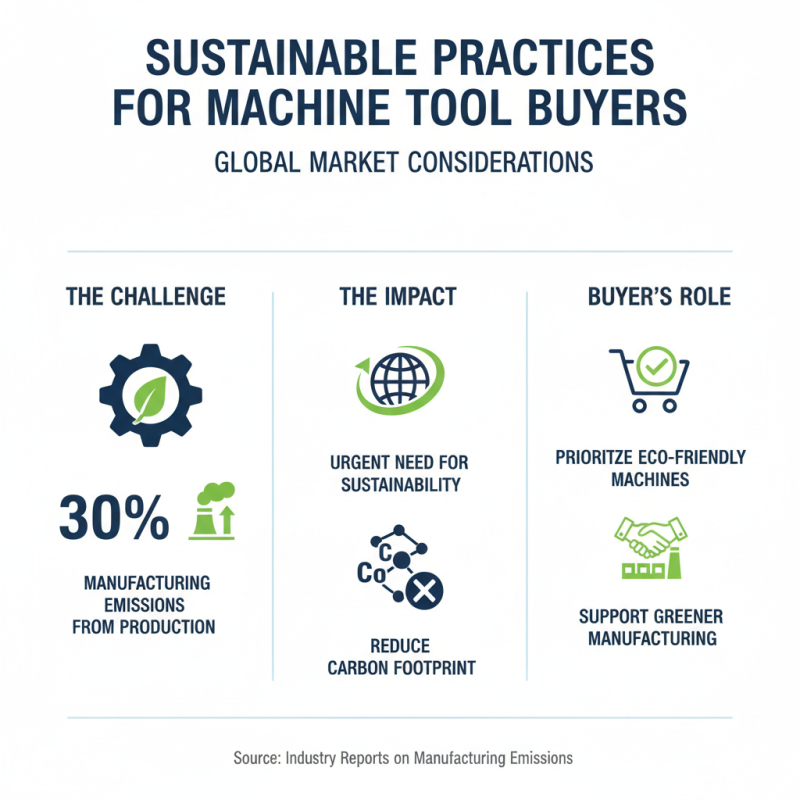
Sustainable practices in the machine tool industry are becoming crucial for global buyers. Reports indicate that production methods account for more than 30% of carbon emissions in manufacturing. This highlights the urgent need for buyers to consider sustainability in their purchasing decisions.
Many machine tool manufacturers are now adopting eco-friendly materials and energy-efficient technologies. A recent analysis showed that companies utilizing green manufacturing processes could reduce waste by up to 25%. This transition reflects a commitment not only to the environment but also to long-term cost savings. However, many buyers still struggle to assess the sustainability of products.
Transparency is key. Buyers should look for certifications or standards that validate sustainable practices. A worrying trend is the difficulty in tracking supply chains, which can lead to misleading claims. As market awareness grows, buyers must question traditional practices. They must demand accountability from suppliers while advocating for sustainable methodologies. Embracing these principles will be essential as the industry continues to evolve in 2026 and beyond.
In 2026, understanding global supply chains for machine tool procurement is essential for buyers. The landscape is evolving, and challenges persist. Buyers must adapt to changes in logistics, trade policies, and fluctuating materials costs. Effective procurement relies on relationships and network insights.
Tip 1: Cultivate relationships with suppliers and manufacturers. Trust and communication are vital. These connections help manage disruptions and ensure timely deliveries.
Another crucial aspect is the evaluation of logistics pathways. Buyers should analyze shipping routes and transportation methods. Challenges like delays and costs can affect procurement.
Tip 2: Keep an eye on market trends. Global demand for machine tools can fluctuate rapidly. Awareness of these trends aids in making timely purchasing decisions.
Transparency in the supply chain is no longer optional. Buyers require visibility into the production processes.
Tip 3: Leverage technology to monitor supply chain performance. Use tools for tracking shipments and managing vendor relations.
The ongoing complexity in global supply chains creates opportunities for improvement. Reflecting on past experiences can guide future decisions for buyers navigating this intricate landscape.
In 2026, understanding certifications and standards in machine tools is vital for global buyers. Each region may have its own specific requirements. Buyers should prioritize standards such as ISO, CE, and ANSI. Familiarity with these certifications ensures quality and safety. Each mark represents thorough testing and compliance with industry norms. This knowledge helps buyers select reliable equipment.
Navigating these standards can be challenging. Different countries adopt varying regulations. For instance, while ISO standards might be prevalent in Europe, others may rely more on national criteria. It’s crucial for buyers to stay informed about regional updates. Knowledge gaps can lead to costly errors or safety risks.
Additionally, manufacturers may need accreditation from industry bodies. This demonstrates a commitment to quality and reliability. Buyers should ask for proof of certifications before making a purchase. Not all suppliers may meet necessary standards, leading to trust issues. A deeper understanding of this landscape fosters better decision-making in equipment sourcing.