China Top 10 Mattress Lamination Machine Manufacturers?
A growing mattress market is raising expectations for consistent, efficient production. Grand View Research estimated the global mattress market at USD 51.34 billion in 2023, with projected growth of 6.4% annually from 2024 to 2030. This figure describes mattress sales, not lamination equipment. Still, it helps explain why manufacturers are investing in reliable production lines.
A Mattress Lamination Machine bonds foam, fabric, or other layers into a stable mattress component. On a factory floor, details matter: even adhesive coverage, steady feed speed, clean edges, and repeatable pressure can affect material waste and finished-product quality. A machine’s suitability also depends on mattress construction, output targets, available floor space, and operator support. There is no universal best choice.
This guide introduces ten Chinese manufacturers and compares their product focus, engineering capabilities, customization options, and service information. Company claims should be checked against technical specifications, factory demonstrations, and customer references; a polished brochure is not proof of performance. Where independently verified data is limited, that uncertainty deserves attention. That is worth remembering. Buyers should request sample runs using their own materials and confirm maintenance requirements before making a decision.
What Is a Mattress Lamination Machine and How Does It Work?
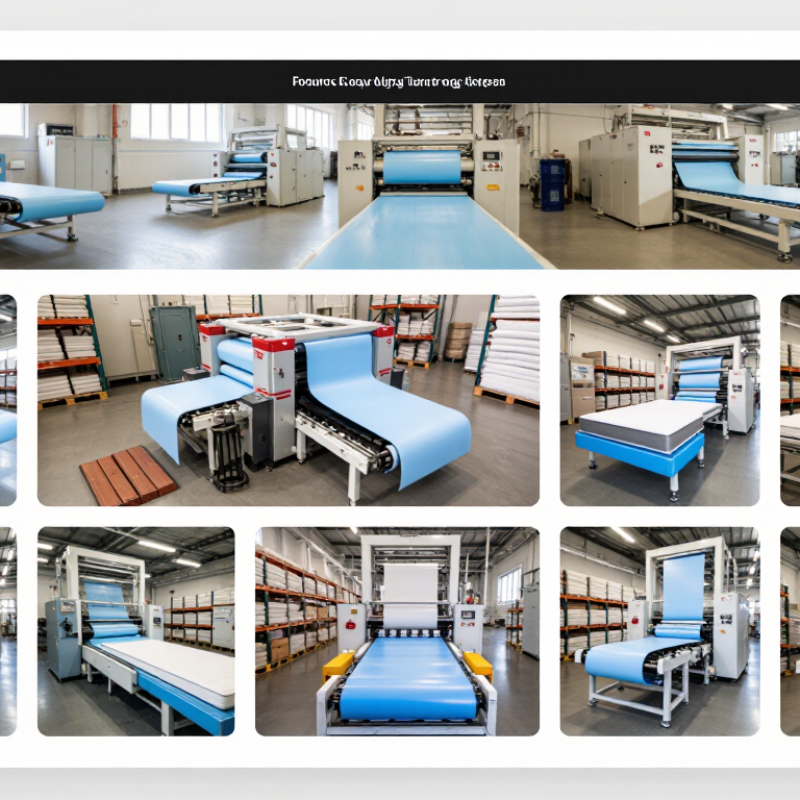
A mattress lamination machine joins foam, fabric, felt, or other cushioning layers into a stable panel. Depending on the design, it may use adhesive spraying, heated rollers, or a combination of both. Operators feed prepared layers through the line, align their edges, and apply controlled pressure. The bond must hold without flattening the foam. Small alignment errors matter.
The process starts with checking material thickness and surface condition. Adhesive is applied in an even pattern, then rollers press the layers together while the bond sets. Temperature, pressure, line speed, and adhesive quantity all affect the result. Too much heat can mark sensitive foam; too little pressure may leave weak spots. There is no single setting for every material. A production trial is still essential.
Demand offers useful context. Grand View Research estimated the global mattress market at USD 50.61 billion in 2023 and projected a 6.8% compound annual growth rate from 2024 to 2030. This market figure is not a machine-sales forecast, but it signals continuing scale in mattress production. Quality checks should include bond strength, surface smoothness, and edge lift after conditioning. The last issue can be easy to miss. A panel may look sound on the line, then separate later.
How Mattress Lamination Machines Are Used in Bedding Production
In bedding production, a mattress lamination machine bonds foam, quilted fabric, felt, or nonwoven layers into a stable assembly. Operators feed each material through rollers while the machine applies adhesive or controlled heat, depending on the process. The joined layers can then move to cutting and mattress assembly. Small details matter. A slightly misaligned fabric edge may create visible unevenness later.
Before a production run, staff check material width, surface condition, and adhesive coverage. They adjust feed speed and roller pressure to suit the thickness and firmness of the layers. Too much pressure can compress soft foam; too little may leave weak areas. A test piece helps reveal problems before a full batch is processed. It takes adjustment. Humidity and material variation can also affect bonding, so settings may need small changes during a shift.
After lamination, workers inspect seams and surfaces for wrinkles, bubbles, gaps, or excess adhesive. A gentle pull test on sample pieces can help identify poor bonding, though it does not replace regular process checks. Not every line runs perfectly. Recording machine settings and inspection results makes repeated orders easier to manage, while honest review of defects helps teams improve the next production run.
What to Consider When Choosing a Chinese Manufacturer
Choosing a Chinese mattress lamination machine manufacturer starts with the materials you actually run. Bring samples of foam, fabric, and adhesive to a trial, then check bonding strength, edge alignment, and surface marks. Ask for the working speed at your product width, not just the headline maximum. A machine that runs smoothly on a narrow sample may behave differently with a full-width mattress panel. Small details matter.
Grand View Research valued the global mattress market at USD 50.61 billion in 2022 and projected 6.7% annual growth from 2023 to 2030. That forecast signals demand, but it does not guarantee a supplier can meet your production needs. Request a factory acceptance test using your own materials. Review cycle-time records, maintenance intervals, spare-parts availability, and operator training. Ask how temperature and pressure are monitored during long shifts. No checklist removes every risk. I would also speak with a recent customer, though references can be selectively chosen. Compare the quoted price with installation, commissioning, and after-sales support, and get these items documented before ordering.
China’s Top 10 Mattress Lamination Machine Manufacturers
China’s top 10 mattress lamination machine manufacturers are often compared by output, automation, and service support. Yet a ranking is useful only when its criteria are clear. Buyers should check whether a supplier builds equipment for foam, fabric, quilted layers, or different material combinations. Ask for a sample process sheet, not just a maximum-speed figure. A machine running at 12 meters per minute may perform differently with thick foam, uneven fabric, or frequent product changes. Details matter. Check adhesive control, material alignment, pressure consistency, and access to wear parts. These factors affect bond quality and downtime.
Factory visits or live video trials can reveal practical details that brochures may omit. Watch an operator load material, adjust tension, and clear a jam. Request a test using your own mattress components, then inspect the edges and bond strength. Not every line fits. Confirm floor space, power requirements, technician availability, and training arrangements in writing. When evaluating China’s top 10, compare evidence rather than relying on a fixed order: installation records, reference projects, spare-part lead times, and warranty scope. Some figures can be difficult to verify, and demonstrations may not show every production issue. That is worth remembering. A careful shortlist should include clear acceptance criteria and a realistic trial schedule before purchase.
How to Compare Manufacturers, Machines, and After-Sales Support
A top-ten list is only a starting point; the right mattress lamination machine depends on your materials, output targets, and factory layout. Compare manufacturers by asking for specifications tied to your actual foam, fabric, and adhesive—not just headline speed. Request a sample run using your materials. Watch the bond, edge alignment, and consistency across the sheet. Details matter.
A machine should be assessed as a working system. Check how operators adjust pressure, temperature, and feed speed, and whether routine cleaning requires awkward access or long stoppages. Ask what the quoted capacity assumes: material thickness, line staffing, and changeover time can all affect real output. A polished demonstration may not reflect a busy shift. I would avoid treating one successful test as proof of everyday reliability.
After-sales support deserves the same scrutiny as the machine itself. Ask how technical issues are diagnosed, what training is included, and which wear parts are stocked locally or shipped from elsewhere. Request realistic response and delivery estimates in writing. If possible, speak with a customer running a similar product mix. I may give too much weight to a fast sales response; ongoing service is what matters when a line is down. Compare support terms alongside price, warranty coverage, and maintenance requirements.