What Are the Top 10 Plastic Recycling Machine Types?
Plastic waste is growing faster than many recycling systems can process. The OECD’s Global Plastics Outlook reports that global plastic waste reached 353 million tonnes in 2019. Only 9% was recycled. That gap explains why reliable recycling equipment matters.
A plastic recycling machine is not a single solution. It may shred rigid containers, wash contaminated film, separate mixed polymers, or pelletize clean flakes. Each machine responds to a different material problem. A PET bottle line needs dependable sorting, hot washing, drying, and extrusion. A film line needs strong feeding control and careful moisture management. Small details matter, including blade sharpness, screen size, water temperature, and filter pressure.
The European Plastics Recyclers’ RecyClass guidance stresses design, sorting, and process compatibility throughout the recycling chain. UNEP’s Turning off the Tap report also identifies better circular systems as essential for reducing plastic pollution by 2040. These findings support a practical comparison of ten major machine types, rather than a purely promotional ranking.
A neat ranking can mislead.
Real factories face unstable feedstock, fluctuating electricity costs, dust, labels, adhesives, and limited floor space. A low-cost machine may consume more water or produce inconsistent pellets. An advanced line may remain underused without a steady supply of suitable waste. This guide therefore considers operating purpose, material compatibility, throughput, maintenance, energy use, and output quality. The categories are useful, but not perfect. Equipment selection still requires testing representative samples before investment.
## The Top 10 Plastic Recycling Machine Types Explained
The Top 10 Plastic Recycling Machine Types Explained
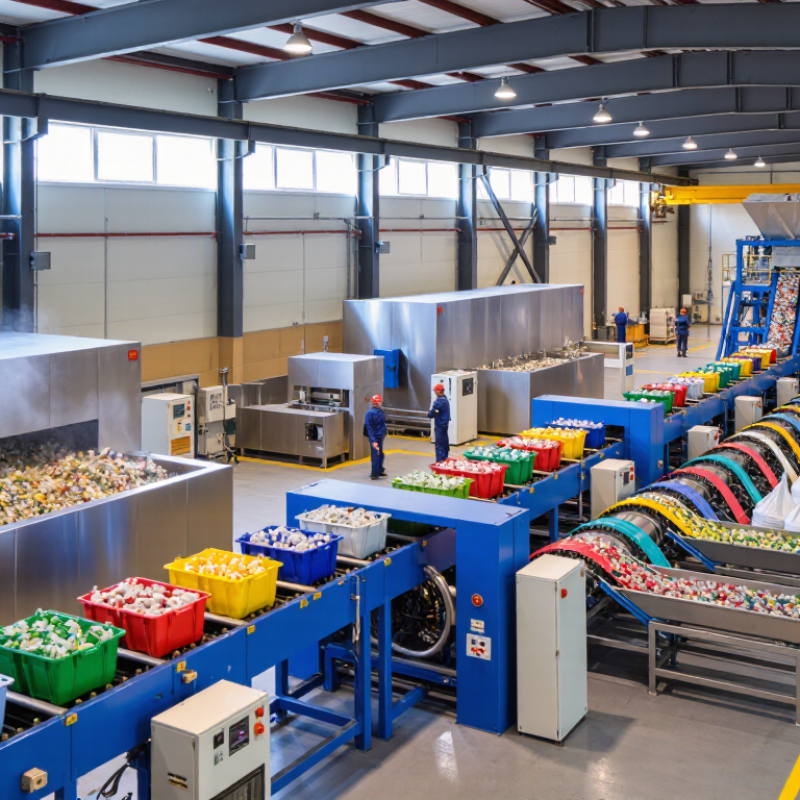
The ranking is practical, not absolute. Feedstock and contamination change the best equipment choice. The OECD’s Global Plastics Outlook reports that only 9% of plastic waste was recycled globally in 2019. That figure exposes a processing gap. Effective recycling needs more than one machine. A sorting machine separates polymers, colors, and foreign materials. Shredders reduce bulky containers into manageable pieces. Granulators create more uniform flakes. Washing machines remove labels, soil, and food residue. Friction washers scrub flakes with high-speed paddles. Small details matter. Dirty water can reduce final material quality.
The remaining five types control drying and remanufacturing. Dewatering machines remove surface water through centrifugal force. Thermal dryers reduce residual moisture before extrusion. Extruders melt and homogenize cleaned flakes under controlled heat. Melt filtration captures paper, aluminum, and unmelted particles. Pelletizers cut the filtered melt into consistent pellets. Some lines also use densifiers for lightweight films, although they can consume substantial energy. The International Energy Agency notes that energy efficiency remains central to industrial emissions reduction, including plastics processing. Operators should therefore measure electricity, water, moisture, and output quality together. A technically impressive line may still perform poorly with mixed feedstock. That is an uncomfortable limitation. Machine selection should follow laboratory trials, contamination testing, and verified throughput data, not catalogue capacity alone.
## How Each Plastic Recycling Machine Processes Waste
What Are the Top 10 Plastic Recycling Machine Types?
How Each Plastic Recycling Machine Processes Waste
Plastic recycling begins with a sorting machine, which separates bottles, films, colors, and polymer groups. A shredder then tears bulky waste into manageable pieces. The granulator cuts those pieces into more uniform flakes. This size control improves later washing and melting. A washing machine removes dirt, labels, and food residue with water and controlled agitation. A friction washer adds stronger rubbing action for stubborn contamination. Moisture is unforgiving.
After washing, a centrifugal dryer removes surface water from the flakes. A thermal dryer reduces remaining moisture before extrusion. For lightweight films, a densifier or compactor squeezes loose material into denser feedstock. The extruder melts plastic under controlled heat and pressure. An integrated melt filter captures paper, aluminum, and unmelted particles. The sequence matters.
Finally, a pelletizer cuts the filtered melt into consistent plastic pellets. These pellets can support more stable feeding in later manufacturing. In practice, machine performance depends on polymer type, contamination, moisture, and operator settings. A technically sound line can still produce weak pellets when mixed plastics enter together. That is a common weakness, not a minor detail. Recycling facilities should inspect flakes, record temperature changes, and test pellet quality regularly. Some waste streams need better sorting rather than more heat. Machine selection is never fully automatic.
## Key Differences in Capacity, Output, and Applications
What Are the Top 10 Plastic Recycling Machine Types?
Plastic recycling equipment differs sharply in capacity, output quality, and feedstock tolerance. OECD’s Global Plastics Outlook reports 353 million tonnes of plastic waste in 2019, while only 9% was recycled. That gap makes equipment selection critical.
Shredders handle bulky film, drums, and mixed plastic, often at 0.5–10 tonnes per hour. Granulators produce cleaner flakes for injection-moulding waste and production scrap. Crushers reduce rigid items, but their output is usually less uniform. Optical sorting machines separate polymers by colour or resin type, commonly processing 1–5 tonnes hourly. Washing lines remove soil, labels, and food residue. Friction washers improve surface cleanliness. Hot-wash systems offer stronger cleaning, but consume more energy. Centrifugal dryers reduce moisture before extrusion.
Extruders melt and filter flakes, producing stable recycled material. Single-screw systems suit simpler streams; twin-screw systems provide stronger mixing and compounding. Pelletizers convert the melt into transportable pellets, with output often ranging from 100 kilograms to 2 tonnes per hour. Agglomerators densify lightweight film before extrusion. Integrated recycling lines combine sorting, washing, drying, extrusion, and pelletizing, sometimes exceeding 5 tonnes per hour. Plastics Europe reported that recycled plastics supplied about 13.5% of European plastics demand in 2022, showing both progress and remaining pressure. These figures are useful, not perfect. Contamination can cut real output dramatically, and a larger machine may simply waste energy when feedstock supply is unstable.
## How to Choose the Right Plastic Recycling Machine
How to Choose the Right Plastic Recycling Machine
Choosing among the top ten plastic recycling machine types starts with the waste itself. Hard containers may need a shredder or granulator. Thin films often require a film compactor before extrusion. Contaminated materials may need washing, drying, and water separation. The right process depends on polymer type, moisture, dirt, thickness, and daily volume. A machine designed for rigid plastic can perform poorly with wet film. Small details matter.
In practice, I would inspect the waste stream for one full working day. Record its weight, moisture, color, and contamination level. Then compare machine capacity with your real feed rate, not an optimistic estimate. Ask for test results using similar material. Check blade access, screen changes, energy use, noise control, and spare-part availability. Safety guards and emergency stops should be clearly documented. A higher output rating is not always better. It may increase power costs and produce uneven flakes. I have seen equipment selected too quickly, creating extra sorting work later.
Tips:
Request a sample trial before purchase. Measure the final flake or pellet quality. Leave space for conveyors and maintenance. Confirm local safety requirements. Review cleaning time, because overlooked downtime can quietly reduce production. Keep the process simple when possible.
## Maintenance, Safety, and Operating Considerations
Plastic recycling machines include shredders, crushers, granulators, washing units, dryers, extruders, pelletizers, balers, densifiers, and sorting systems. Each type needs a maintenance plan matched to its workload. In daily plant operation, I check blade clearance, screen condition, bearing temperature, and motor noise before production starts. Small changes often reveal larger failures.
Safety begins with physical guards, emergency stops, and documented lockout procedures. Never clear a jam while stored energy remains. Shredders and granulators can restart unexpectedly. Extruders also hold dangerous heat and pressure after shutdown. Operators should wear suitable eye, hearing, hand, and respiratory protection. Wet plastic near electrical panels creates another serious risk.
Operating quality depends on clean feedstock, steady feeding, and controlled temperatures. Washing lines need frequent filter cleaning, while dryers require airflow checks and moisture monitoring. Extruders perform poorly when material contains excess water or metal fragments. Keep service records with dates, readings, and replaced parts. A checklist helps, but it is not perfect. I have seen teams sign inspections without noticing unusual vibration. That habit needs correction. Maintenance staff should stop the line, investigate the sound, and record the cause before restarting.