

Choosing an Arm Cylinder supplier is not merely a comparison of catalog prices. Global buyers must examine pressure ratings, bore sizes, rod coatings, sealing systems, and field support. A cylinder working beside a quarry crusher faces dust, vibration, and sudden load changes. A forestry machine needs different protection from a factory press.
Hydraulics author Herbert E. Merritt emphasized a practical principle: “A hydraulic system is only as reliable as its weakest component.” This idea remains useful when evaluating the Top 10 Arm Cylinder Manufacturers for Global Buyers. Product quality matters, but so do testing methods, material traceability, customization skills, and replacement-part availability.
This guide examines manufacturers through an engineering and purchasing lens. It considers manufacturing experience, international certifications, application knowledge, delivery consistency, and customer feedback. Some companies excel in heavy construction equipment. Others provide precise cylinders for agriculture, material handling, or industrial automation.
Details matter.
A polished website does not prove dependable production. Buyers should request load data, duty-cycle information, corrosion requirements, and inspection records before selecting a supplier. Weld quality, chrome thickness, seal compatibility, and hydraulic cleanliness can determine whether an Arm Cylinder lasts years or fails early.
No ranking is perfect. Regional service, shipping conditions, and machine design can change the final choice. That limitation deserves attention. The strongest manufacturer on paper may not be the best fit for every project, but this comparison offers a practical starting point for informed global sourcing.
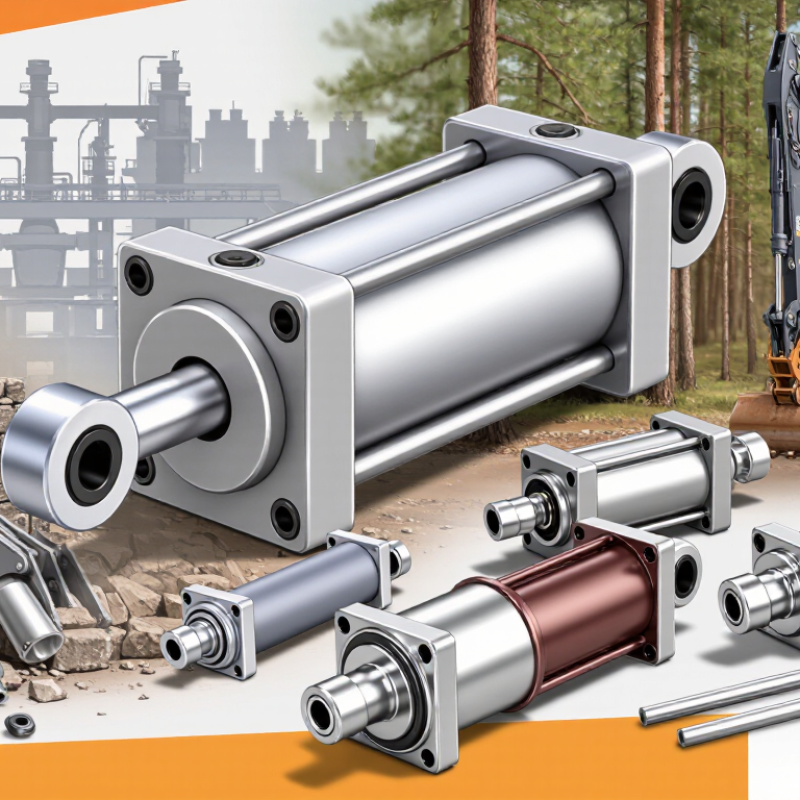
Arm cylinders are hydraulic actuators that move an excavator’s arm with controlled force. They convert pressurized fluid into linear motion. When the operator pulls the control lever, oil enters one side of the cylinder. The piston rod extends or retracts, shifting the arm through soil, rock, or lifted materials. This movement looks simple. It is not.
A reliable arm cylinder must withstand heavy loads, vibration, pressure spikes, and repeated impacts. Its barrel, piston, rod, seals, and mounting pins all affect performance. During equipment inspections, technicians often check for rod scoring, oil leakage, loose pins, and uneven wear. A small seal leak can become serious when dust enters the system. Correct bore size and stroke length also matter. A poor match may reduce digging force or create unstable movement.
For global buyers comparing the top 10 arm cylinder manufacturers, specifications alone are not enough. Manufacturing consistency, material traceability, testing records, spare-part access, and technical support deserve equal attention. I have seen polished product sheets hide unclear maintenance requirements. That should make buyers pause. Ask about pressure testing, seal compatibility, surface treatment, and expected service conditions. Climate matters too. Cold regions, coastal sites, and abrasive mines can expose weaknesses quickly. A cylinder that performs well in a controlled yard may struggle on a remote worksite. Even experienced buyers can overlook mounting alignment. Small errors there may shorten the life of expensive components.

Selecting an arm cylinder manufacturer requires more than comparing prices and catalog photos. A reliable supplier should provide clear material specifications, production tolerances, and test procedures. Ask how the cylinder handles side loads, repeated impact, and contaminated job sites. These conditions expose weak designs quickly.
Manufacturing Control Manufacturing control matters. Look for documented welding qualifications, controlled heat treatment, and consistent chrome thickness on the piston rod. Each unit should receive pressure testing before shipment. Request test records, inspection reports, and serial-based traceability. Quality systems such as ISO 9001 can support consistency, but certification alone proves little. Audit the process behind it.
Seal Selection & Service Life Seal selection also deserves close attention. Temperature range, hydraulic-fluid compatibility, and dust protection affect service life. A manufacturer with application engineers should calculate bore size, rod diameter, stroke, and mounting stress for your equipment. Spare seals and replacement rods should remain available. Communication speed matters during breakdowns. So does packaging. A scratched rod can fail before installation.
Global Buyer Considerations Global buyers should examine delivery reliability, technical documentation, and experience with regional standards. Ask for drawings in usable formats and instructions written for technicians, not only engineers. No supplier is flawless. Even strong factories may struggle with unusual attachments or rushed production. That risk should appear in the evaluation. A factory visit, sample inspection, or independent dimensional check can reveal more than polished sales material. Prices still matter, but lifecycle cost often tells the harder truth.
Comparing the top ten global arm cylinder manufacturers requires more than checking catalog dimensions. Their real differences appear in material control, sealing design, testing depth, and after-sales response. Experienced buyers examine the cylinder after thousands of working cycles, not after a clean showroom demonstration.
The strongest manufacturers usually offer hardened rods, corrosion-resistant coatings, and seals matched to temperature and hydraulic pressure. Some provide custom mounting points within short production windows. Others focus on high-volume standard cylinders and competitive pricing. A few maintain detailed traceability for steel batches, welding records, and pressure tests. That evidence matters. Ask for it.
Field performance can vary between similar-looking products. One cylinder may resist side loading better, while another may deliver smoother movement under heavy dust. Service access also changes operating costs. A replaceable seal kit is useful when equipment works far from a workshop. Delivery reliability deserves equal attention, especially for emergency replacements. No supplier wins every category. My comparison is not flawless because regional service quality can change the buying experience. Buyers should test samples under realistic loads, inspect rod finish, and confirm cycle-life data before placing a large order. Small details often decide the result.
For global buyers comparing the top 10 arm cylinder manufacturers, quality starts with measurable evidence. Grand View Research valued the global hydraulic cylinder market at over USD 14 billion in 2023. Its forecast also indicates steady growth through 2030. This growth increases supplier choice, but not necessarily reliability. Buyers should request pressure-test records, material certificates, surface-finish data, and documented leakage rates. A smooth-painted cylinder can still hide poor sealing.
Compatibility deserves equal attention. Arm cylinders must match bore size, stroke length, mounting geometry, pin diameter, hydraulic pressure, and fluid type. ISO 6020/2 and ISO 6022 provide useful dimensional references for many industrial applications. However, standards do not remove every risk. Small changes in a pin angle can create side loading, noise, or premature wear. A supplier should review drawings and real operating conditions, not only a product code. Sometimes, the overlooked detail matters most.
Customization may involve rod coatings, seals for temperature changes, corrosion protection, sensors, or special ports. MarketsandMarkets reports that predictive maintenance is expanding across industrial equipment, making position feedback increasingly practical. After-sales support should include spare-seal availability, troubleshooting response times, repair instructions, and warranty procedures. Ask for realistic delivery periods. Ask again about remote technical support. Some manufacturers promise global service, yet offer vague escalation paths. That weakness deserves scrutiny. A reliable supplier shares test evidence, accepts design questions, and improves documentation when a mistake is found.
When global buyers compare arm cylinder manufacturers, a polished top-ten list is only a starting point. The right supplier must match the cylinder to the machine, workload, and operating climate. Ask for bore diameter, rod diameter, stroke, mounting dimensions, and working pressure. A supplier that asks these questions understands application risk. A generic quotation does not.
Request material details for the rod, tube, piston, seals, and welded areas. Look for controlled heat treatment, surface hardness records, and documented dimensional inspection. A reliable supplier can provide pressure-test results, batch traceability, and clear drawings before production. Check whether seals suit cold mornings, abrasive dust, or high temperatures. These details often decide whether a cylinder survives a remote worksite. They are easy to overlook.
Evaluate communication as carefully as machining capacity. Can the supplier explain lead times, spare-seal availability, packaging protection, and warranty limits in plain English? Ask for references from comparable equipment, not only large projects. A low price may hide inconsistent tolerances or weak after-sales support. Many buyers focus on unit cost and regret the first breakdown. Even experienced teams miss shipping delays or installation errors. Build a sample approval step, inspect the first batch, and record acceptance criteria before mass production.
| Rank | Supplier Capability Profile | Primary Application | Typical Bore Range | Typical Working Pressure | Key Technical Standards | Customization Capability | Quality Evidence to Request | Best Buyer Fit |
|---|---|---|---|---|---|---|---|---|
| 1 | Heavy-duty construction equipment specialist | Excavator boom, arm and bucket cylinders | 80–250 mm | 250–350 bar | ISO 9001; customer-specific hydraulic specifications; relevant ISO 4413 design principles | High; tube, rod, mounting and cushioning configurations | Pressure-test records, dimensional reports and material certificates | Mining, quarrying and large excavator programs |
| 2 | High-volume mobile hydraulics producer | Construction, agriculture and material-handling machinery | 40–180 mm | 210–315 bar | ISO 9001; ISO 6020/2 or equivalent design practices where applicable | Medium to high; configurable ports, seals and stroke lengths | Process control plan, endurance-test data and traceability records | OEMs requiring repeatable production capacity |
| 3 | Custom-engineered cylinder manufacturer | Special-purpose machines and demanding attachment systems | 50–300 mm | 250–400 bar | ISO 9001; ISO 4413; project-specific calculations and validation | Very high; custom geometry, sensors and integrated valves | Design calculations, prototype test results and weld inspection reports | Buyers with complex or non-standard arm-cylinder designs |
| 4 | Compact equipment cylinder specialist | Mini excavators, skid-steer loaders and compact loaders | 25–100 mm | 160–250 bar | ISO 9001; applicable compact mobile-equipment specifications | Medium; compact mounting, short strokes and corrosion-resistant options | Leak testing, coating specifications and cycle-test documentation | Compact machinery and aftermarket replacement programs |
| 5 | Corrosion-resistant hydraulic cylinder producer | Forestry, marine, waste-handling and outdoor equipment | 40–220 mm | 210–350 bar | ISO 9001; coating and material specifications defined by application | High; stainless or plated rods, enhanced coatings and specialty seals | Salt-spray results, coating thickness reports and seal compatibility data | Machines exposed to moisture, chemicals or abrasive environments |
| 6 | Fast-delivery replacement-cylinder supplier | Equipment repair, service fleets and distributor inventories | 40–200 mm | 160–315 bar | ISO 9001 or documented equivalent quality system; dimensional interchangeability records | Medium; replacement dimensions, seals and mounting interfaces | Incoming inspection records, interchangeability drawings and warranty terms | Buyers prioritizing short lead times and service availability |
| 7 | High-pressure and high-cycle specialist | Heavy-duty excavators, demolition and continuous-duty machinery | 70–240 mm | 280–420 bar | ISO 4413 principles; fatigue analysis; application-specific pressure validation | High; reinforced rod ends, advanced cushioning and premium sealing systems | Fatigue-life testing, burst-pressure testing and rod-coating verification | High-utilization fleets and severe duty cycles |
| 8 | Cost-focused global sourcing manufacturer | Standard construction and agricultural equipment | 40–160 mm | 160–250 bar | ISO 9001; agreed customer drawings and inspection standards | Medium; standard components with selected custom dimensions | First-article inspection, production samples and supplier audit results | Buyers balancing volume pricing with defined quality controls |
| 9 | Smart-cylinder integration specialist | Automated excavator functions and condition-monitoring systems | 50–220 mm | 210–350 bar | ISO 9001; hydraulic safety practices; sensor and communication requirements defined per project | Very high; position sensors, pressure sensors and electronic monitoring | Sensor calibration records, ingress-protection test data and system validation | OEMs adopting predictive maintenance or machine automation |
| 10 | Low-temperature and extreme-environment specialist | Arctic construction, offshore and remote infrastructure equipment | 60–250 mm | 210–350 bar | ISO 9001; low-temperature material and seal qualification requirements | High; cold-weather seals, specialized coatings and protected components | Low-temperature cycle tests, impact data and seal-performance reports | Global buyers operating in severe climates |
Selection note: Pressure, bore and customization ranges are common industry planning ranges rather than guaranteed product limits. Buyers should confirm the final rating, fatigue life, mounting dimensions, seal compatibility, testing method, production capacity, delivery time and warranty conditions against the supplier’s technical documentation.
