What Are the Top Milk Cup Types in 2026?
In 2026, the best Milk Cup depends on where it will be used: at a kitchen table, in a school bag, or beside a steaming café counter. Stainless steel and double-wall insulated cups suit travel and temperature control. Glass and ceramic offer clean taste and easy visibility, but they can be heavier or breakable. Food-grade plastic is light and practical for younger users. No single type wins every test.
The OECD’s Global Plastics Outlook (2022) estimates that the world generated 353 million tonnes of plastic waste in 2019, and only 9% was recycled. That figure covers plastics broadly, not Milk Cups alone. Still, it makes material choice worth examining. Durability, cleaning needs, and actual reuse matter as much as the label on the cup. That matters.
Life-cycle researcher Martin Hocking examined reusable and disposable cups in a 1994 comparative study. His central finding remains useful: a reusable cup’s environmental advantage depends on using it repeatedly, while accounting for washing. A reusable option is not automatically the better choice. Sometimes the cupboard stays full, and the cup is left behind.
This guide compares popular Milk Cup types by material, insulation, spill resistance, ease of cleaning, and everyday comfort. It also considers trade-offs that product listings often gloss over, such as weight, lids, and how well a cup fits small hands. Use the comparisons as a starting point, not a universal ranking. The right cup is the one that suits its user and gets used.
How Milk Cups Are Defined and Classified
A milk cup is a drinking vessel intended to hold milk, but the term can describe several different designs. In cafés and homes, it often means a small cup for serving milk or milk-based drinks. In other settings, it may refer to a child’s training cup. Context matters. A cup’s use, rather than its name alone, is the clearest starting point for classification.
Milk cups can be grouped by material, such as ceramic, glass, stainless steel, or food-grade plastic, and by construction, including single-use or reusable designs. Shape and capacity offer another useful distinction: a narrow cup may suit a measured serving, while a wider one leaves room for foam. Some have handles; others use fitted lids or spouts to reduce spills. Small details matter. A smooth rim feels different against the lip, and a narrow seam can be harder to clean. Categories also overlap, so a simple chart may not capture how a cup works in everyday use. When comparing options in 2026, check the stated capacity, cleaning guidance, and intended use rather than relying on the label “milk cup” alone.
Which Milk Cup Types Stand Out in 2026
In 2026, the milk cups that stand out are those matched to daily routines. Insulated stainless-steel cups keep milk cool during commutes or school runs, especially when paired with a secure lid. Check that the lid comes apart easily; narrow seals can trap residue. Simple, but important.
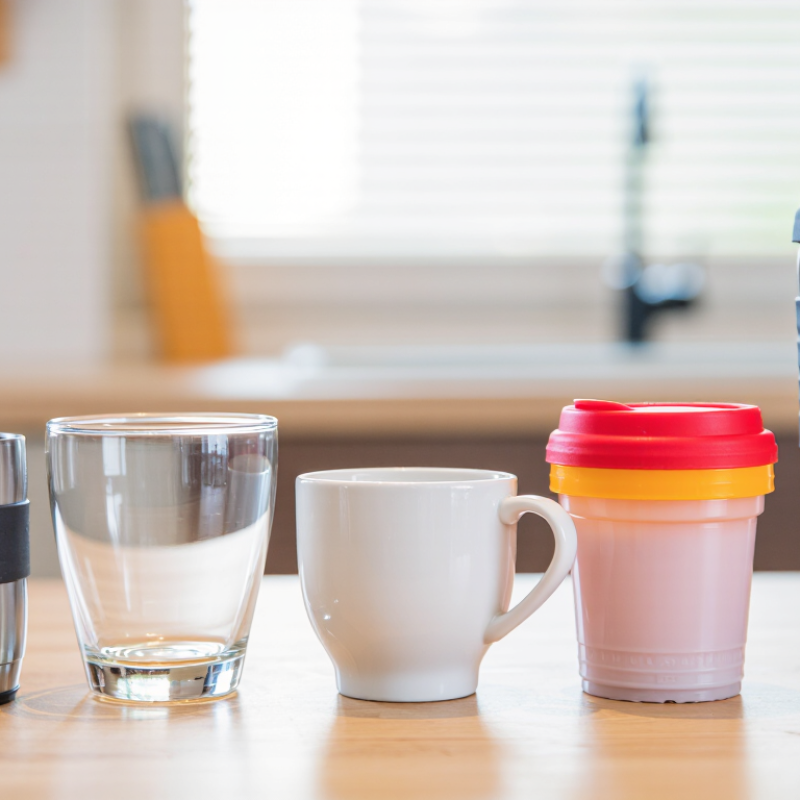
Glass cups suit home use because they do not hold onto odors as readily as some materials. A wide opening makes pouring and washing easier, while a protective sleeve can reduce the risk of breakage. Ceramic cups remain a comfortable choice for breakfast tables, though they are heavier and less practical for bags. Each type has a trade-off.
For children, lightweight cups with handles or spill-resistant spouts can support easier gripping. Straw lids may be convenient, but their small parts need thorough cleaning after milk use. Whatever the style, wash cups promptly and let every part dry fully. “Leakproof” does not always mean easy to clean. Materials, lid design, and the drinker’s age matter more than appearance alone, and personal preference can still complicate the choice.
What Are the Top Milk Cup Types in 2026? - Which Milk Cup Types Stand Out in 2026
| Cup type | Common material | Typical use | Practical strengths | Things to check |
| Reusable glass cup | Soda-lime or borosilicate glass | Home and café service | Non-porous, easy to clean, and does not retain milk odors when properly washed. | Glass can break; check product guidance before using it with hot liquids or in a microwave. |
| Ceramic cup | Glazed ceramic or porcelain | Everyday serving, including warm milk | Reusable, sturdy for routine indoor use, and available in many shapes and capacities. | Can chip or break. Use in a microwave only when the cup is labeled microwave-safe; metallic decoration is unsuitable. |
| Stainless-steel cup | Food-grade stainless steel | Travel, outdoor use, and reusable service | Durable and resistant to breakage; insulated versions can help retain drink temperature. | Not suitable for microwave use. Follow cleaning instructions, especially for insulated or multi-part cups. |
| Reusable polypropylene cup | Polypropylene (PP) | Reusable household, school, or food-service use | Lightweight and less prone to shattering than glass or ceramic. | Heat tolerance varies by product. Follow the cup’s food-contact and cleaning instructions; local recycling acceptance varies. |
| Clear disposable cup | Often PET; other plastics are also used | Cold milk drinks and takeaway service | Lightweight and transparent, making the drink visible. | Check the resin and temperature-use instructions. Recycling depends on the cup material and local collection rules. |
| Disposable paper cup | Paperboard, usually with a liquid-resistant lining | Events, takeaway, and single-use service | Lightweight and convenient for serving without washing reusable cups. | The lining can affect recycling; acceptance depends on local facilities and the specific cup construction. |
Note: Material suitability, heat tolerance, and recyclability vary by product and location. Check the cup label and local recycling guidance.
How Materials and Designs Shape Each Cup Type
What Are the Top Milk Cup Types in 2026?
How Materials and Designs Shape Each Cup Type
The best milk cup depends on where and how it will be used. Ceramic cups hold warmth well and feel steady in the hand, but they can chip when dropped. Glass makes milk’s color and cleanliness easy to check. It also feels cool and smooth against the fingers. Small details matter.
Stainless steel is light, durable, and useful for travel. Its opaque walls hide the milk level, though, and some people notice a metallic taste. Double-wall construction can help keep milk cool, but it adds weight and makes the cup harder to inspect. Insulation is not always better.
Shape can matter as much as material. A wide base helps a cup sit securely on a table, while a curved handle can make a full cup easier to grip. Lids reduce spills on the move, but narrow openings may make cleaning less convenient. For younger users, a short cup with two handles can support a steadier grip; the fit should still match the child’s age and ability. Check that food-contact surfaces are clearly identified, and follow the maker’s care instructions. I would not choose by appearance alone: a beautiful rim can be uncomfortable to drink from.
How to Match a Milk Cup to Age, Setting, and Needs
Choosing a milk cup starts with the child, not the trend. Around six months, when a baby is ready for complementary foods, caregivers can offer small sips from an open cup or a training cup. Readiness and coordination vary, so keep early practice calm and supervised. An open cup supports sipping skills, but spills are part of learning. A straw cup may suit a child who finds tipping difficult. For older toddlers, a simple cup with handles can help independent drinking. Avoid choosing by age label alone.
The setting matters too. At the kitchen table, a lightweight open cup is easy to monitor. In a daycare bag or car, a leak-resistant lid may be more practical, though it can take extra effort to clean. Check that removable parts are easy to wash, and inspect straws and valves for trapped milk. A cup that works at home may leak in a stroller bag; that is a practical mismatch, not a child’s failure. Milk cups are not interchangeable for every need. If a child coughs often while drinking, struggles to swallow, or has specific feeding concerns, ask a pediatric health professional for guidance. Small trials help. So does changing your mind.