

...

Top 10 Swing Beam Cutting Machines for Global Buyers?

The demand for precision cutting in various industries drives the popularity of the Swing Beam Cutting Machine. This machine has become a favorite among manufacturers due to its efficiency and accuracy. According to recent market analysis, the global swing beam cutting machine market is projected to grow at a CAGR of 5.2% from 2023 to 2028. This growth highlights its essential role in modern manufacturing.

Swing Beam Cutting Machines are renowned for their ability to deliver swift and precise cuts on different materials. Their versatility makes them suitable for textiles, leather, and non-ferrous metals. However, some buyers may overlook the importance of machine maintenance and operator training. Neglecting these aspects can lead to operational inefficiencies and machine failures.

As the competition among manufacturers intensifies, it's vital to choose the right swing beam cutting machine. Each option comes with its strengths and weaknesses. Global buyers should consider factors like energy consumption, cutting speed, and ease of use. Reflecting on these elements helps ensure an informed purchasing decision, ultimately leading to enhanced productivity.
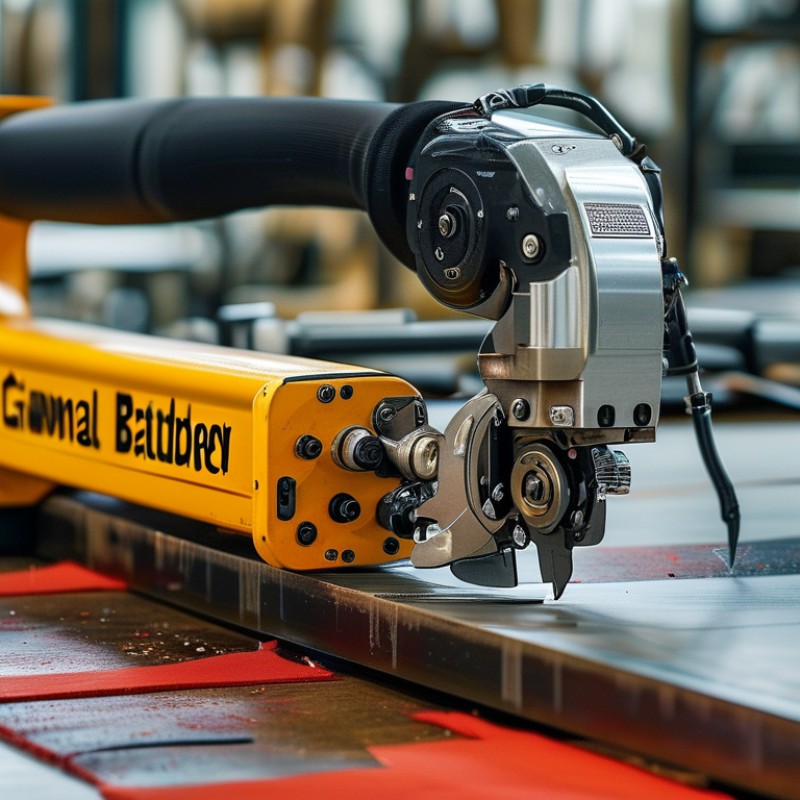
Top 10 Swing Beam Cutting Machines for Global Buyers?

Overview of Swing Beam Cutting Machines: Functionality and Applications

Swing beam cutting machines are vital tools in various industries, particularly in textiles, plastics, and metal fabrication. These machines are known for their capability to make precise cuts in various materials. Their design allows for smooth operation and quick adjustments, accommodating different thicknesses and densities. Industry data indicates that the global market for cutting machinery is expected to grow at a CAGR of 5.8% from 2021 to 2028, highlighting the increasing demand for efficient cutting solutions.

The functionality of swing beam cutting machines revolves around their pivoting beam that swings down to cut materials. This motion is efficient and minimizes material waste, which is crucial for manufacturers looking to improve their bottom line. For instance, a recent report revealed that companies using swing beam cutters reported a 15% reduction in material waste compared to traditional cutting methods. Additionally, their applications extend beyond simple cutting—they are often used for scoring, notching, and even creasing, making them versatile tools in manufacturing environments.

Despite their efficiency, swing beam cutting machines aren't without challenges. Maintenance costs can be significant, and improper setup can lead to inaccuracies. Operators must be well-trained to maximize the equipment's potential. An industry survey indicated that around 30% of users experienced issues with blade dullness, affecting cut quality. Addressing these concerns is essential for optimizing performance and achieving high-quality results in production settings.

Top 10 Swing Beam Cutting Machines for Global Buyers

Model Cutting Capacity (mm) Blade Size (mm) Weight (kg) Power (kW) Applications
Model A 2000 300 1500 5.5 Leather, Textiles
Model B 1800 250 1200 4.0 Foam, Rubber
Model C 2200 320 1600 6.0 Textiles, Composite Materials
Model D 2100 280 1400 5.0 Leather, Plastics
Model E 2000 350 1550 5.5 Foam, Textiles
Model F 1900 300 1350 4.5 Rubber, Leather
Model G 2300 360 1700 6.5 Composites, Foams
Model H 2400 400 1800 7.0 Textiles, Plastics
Model I 2500 450 2000 8.0 Foam, Rubber, Leather
Model J 2600 500 2100 8.5 Composites, Textiles

Key Specifications to Consider When Selecting a Swing Beam Cutting Machine

When selecting a swing beam cutting machine, buyers should focus on critical specifications. The machine's cutting capacity is paramount. For instance, most models support a range from 0.5 mm to 12 mm cutting thickness. This range allows various materials, from sheet metal to plastics, to be processed effectively.

Another key consideration is the machine's operational speed. Many machines operate at speeds of 20 to 30 strokes per minute. This throughput can greatly enhance productivity. It's also vital to look at the energy consumption. Models that incorporate energy-efficient motors can reduce operational costs by up to 30%, as highlighted in recent industry analysis.

When choosing a machine, ensure it features an intuitive control panel. An easy-to-navigate interface can significantly reduce the learning curve for new operators. Additionally, consider the machine's build quality. Sturdy construction can minimize maintenance issues long-term.

Reflecting on the long-term impact of your choice is essential. Evaluate how the selected specifications align with your production goals. If you often change material types, flexibility in the machine's design is vital. Remember, a good investment in equipment can lead to substantial savings and efficiency gains over time.

Top 10 Manufacturers of Swing Beam Cutting Machines: A Comparative Analysis

When evaluating manufacturers of swing beam cutting machines, quality and reliability are paramount. Many companies offer attractive features, but discerning buyers need to focus on performance and durability. A thorough comparison can reveal which manufacturers rise above others based on customer reviews and technical specifications.

Some manufacturers prioritize innovative technology, enhancing precision and speed. However, others may focus on affordability. This trade-off can affect long-term investment value. It's common for buyers to be swayed by flashy marketing rather than solid performance data. Buyers should carefully test machine samples to assess their practical applications.

It is crucial to consider after-sales support and maintenance options when selecting a manufacturer. Some brands excel in customer service, which can significantly impact user satisfaction. Regular maintenance can be overlooked, leading to frustrating breakdowns. Hence, potential buyers should analyze not just the product but the overall service experience.

Market Trends in Swing Beam Cutting Machines: Insights and Projections

The market for swing beam cutting machines is evolving rapidly. Recent trends indicate a strong demand for versatile and efficient machines. Buyers are looking for cutting solutions that can handle various materials with precision. This has led to innovation in machine design. Manufacturers are now prioritizing energy efficiency and user-friendliness. These aspects combine to enhance overall productivity, reflecting a clear shift in buyer priorities.

Sustainability is increasingly important in purchasing decisions. Many buyers seek machines that minimize waste and reduce energy consumption. This trend reflects wider industry shifts towards environmentally friendly practices. However, not all machines on the market meet these sustainability criteria. Some still depend on outdated technologies, leading to inefficiencies. Buyers should be cautious and look for advancements in eco-friendly technologies, ensuring they are making informed choices.

Additionally, the availability of advanced features is becoming more crucial. Options like automatic blade changes and integrated software for design adjustments can significantly improve workflow. But, incorporating such technologies can increase costs. This creates a dilemma for buyers between investing in premium features or sticking to more basic models. Ultimately, understanding these trends helps buyers navigate the current landscape effectively.

Top 10 Swing Beam Cutting Machines in Global Market

This chart represents the market share of the top 10 swing beam cutting machines, showcasing their relative performance in the global market. The data reflects current trends and the competitive landscape within the industry.

User Reviews and Performance Metrics for Leading Swing Beam Cutting Models

Swing beam cutting machines are vital in various industries, especially in textile and metal fabrication. Users often report that performance metrics vary significantly. Factors such as cutting speed, precision, and durability come into play. Some machines excel in precision but sacrifice speed, while others might struggle with consistent results. This inconsistency can lead to dissatisfaction among operators.

To ensure you choose the right machine, consider user reviews. These offer firsthand accounts of reliability and performance. Many users suggest looking for machines that provide ample support and maintenance options. This can mitigate downtime in production and enhance overall efficiency. Explore community forums and professional reviews to gather insights about different models.

It is crucial to assess the needs of your specific application. Each machine features diverse options for blade size and cutting depth. Regular maintenance is key to achieving optimal performance. Some users overlook this and later find their machines underperforming. Engaging with user communities can help you avoid common pitfalls and make informed choices.