Top Tri Proof Ceiling Lights for Global Buyers
Choosing the right Tri-Proof Ceiling Lights is no longer only an aesthetic decision. Global buyers now assess energy use, moisture resistance, service life, and compliance before approving a project. In warehouses, parking garages, cold rooms, and covered walkways, a poor fixture can expose workers to glare, flicker, or early failures. The details matter.
The International Energy Agency reports that lighting represents about 15% of global electricity consumption. Its energy-efficiency research also identifies LED upgrades as a practical way to reduce electricity demand. The U.S. Department of Energy states that LED products typically use at least 75% less energy than incandescent lighting and can last much longer. These figures support efficient lighting, but they do not guarantee a suitable product. Optical design, driver quality, ambient temperature, and installation conditions still influence real performance.
A reliable comparison should examine lumen maintenance, efficacy, beam distribution, color consistency, and emergency options. It should also verify IP and IK ratings through credible test documentation, rather than relying only on marketing labels. IEC-based testing can help buyers compare protection against water, dust, and impact, while regional certifications may differ across markets. Reports and test methods are not always perfectly aligned. That is worth remembering. No shortlist is flawless.
This guide evaluates leading Tri-Proof Ceiling Lights for global purchasing teams. It considers practical installation, maintenance access, warranty clarity, and long-term operating cost. The strongest choice may not have the highest wattage or the lowest price. It should deliver dependable light where dust, humidity, vibration, and tight maintenance schedules are everyday realities.
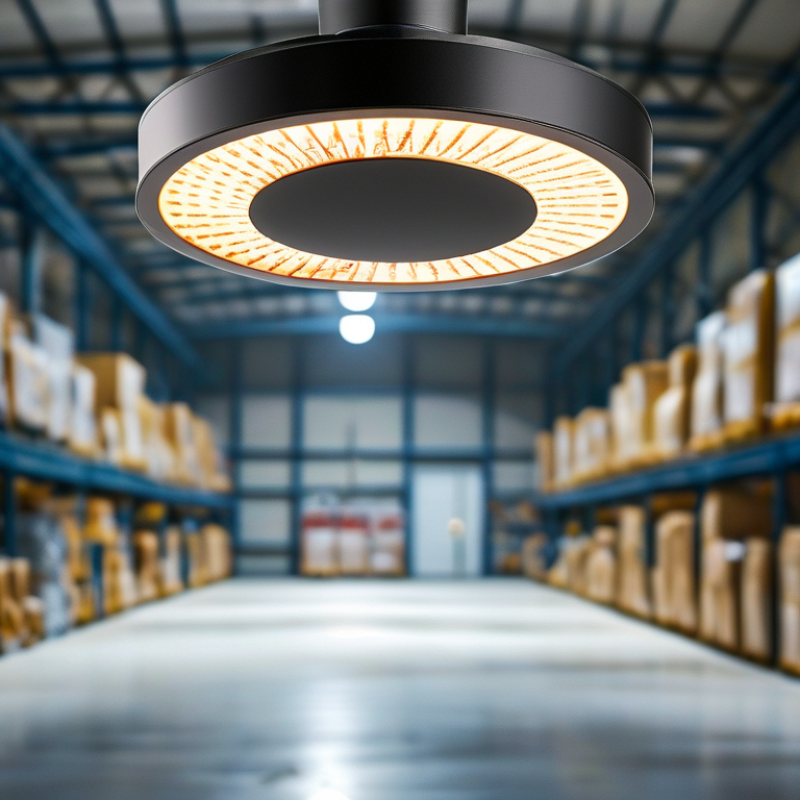
What Tri-Proof Ceiling Lights Are and How They Work
Top Tri Proof Ceiling Lights for Global Buyers
Tri-proof ceiling lights are sealed luminaires built for dust, moisture, and impact. The term “tri-proof” is widely used, but it is not a single international certification. Buyers should verify the actual IP and IK ratings. IEC 60529 defines IP protection against solids and water, while IEC 62262 covers mechanical impact resistance. An IP65 fixture resists dust and water jets. It is not automatically suitable for flooding or pressure washing.
Inside, an LED board produces light, while a driver controls electrical output. A gasketed housing limits moisture entry. A polycarbonate diffuser spreads light across workshops, parking areas, food facilities, and utility rooms. Good thermal design matters because trapped heat can shorten LED and driver life. The International Energy Agency reports that lighting represents roughly 15% of global electricity use. Efficient, durable fixtures can therefore reduce energy demand and replacement work, especially in large facilities.
Real installation experience shows that ratings alone can mislead. A light may pass a laboratory test, yet fail after poor cable sealing or incorrect mounting. Check operating temperature, surge protection, lumen maintenance, and emergency-lighting requirements. The U.S. Department of Energy’s solid-state lighting research reports show continuing gains in LED efficacy, but higher lumens do not guarantee better illumination. Glare, beam angle, ceiling height, and maintenance access still require judgment. Sometimes, the “best” fixture is simply the one that fits the environment.verter
Key Features for Moisture, Dust, and Impact Protection
Top Tri Proof Ceiling Lights for Global Buyers
Moisture, dust, and impact protection determine whether a ceiling light survives demanding interiors. IEC 60529 classifies IP65 as dust-tight protection with resistance to water jets. IP66 offers stronger water-jet protection. These ratings suit workshops, parking areas, food-processing zones, and covered outdoor spaces. However, an IP code does not guarantee safe immersion or protection from chemical cleaners.
Impact resistance also deserves close attention. IEC 62262 defines IK08 as resistance to a 5-joule impact, while IK10 reaches 20 joules. That difference matters near loading bays, sports facilities, and low ceilings. A polycarbonate diffuser can reduce breakage risks, but the mounting system must also withstand vibration. Field inspections often find loose brackets before failed LEDs. Small details matter.
Energy performance remains relevant for global buyers. The International Energy Agency’s Energy Efficiency 2024 report indicates that lighting uses about 5% of global electricity. Efficient LEDs can reduce operating demand, yet efficiency claims require careful testing. Review measured lumens, wattage, power factor, and ambient-temperature data. A higher IP rating is not automatically better. Sealed housings may retain heat, reducing component life. I would also verify gasket quality, cable glands, drainage design, and certification for the installation region. Standards help, but real conditions are less tidy.
Main Types and Applications Across Global Markets
Top Tri Proof Ceiling Lights for Global Buyers
Main Types and Applications Across Global Markets
Tri-proof ceiling lights are sealed luminaires designed for dust, moisture, vibration, and frequent cleaning. Their strongest applications include warehouses, parking areas, food processing rooms, workshops, tunnels, and utility corridors. In my field experience, buyers often compare wattage first. That can be misleading. A longer fixture with better optics may deliver more usable light at lower power.
The main types include integrated LED battens, linkable linear fixtures, emergency versions, and sensor-ready models. Integrated LED units usually offer slimmer profiles and fewer maintenance points. Linkable designs suit long aisles and production lines. Emergency versions support evacuation routes, but local approval requirements must be checked carefully. Cold-storage sites may require suitable operating temperatures and flexible cable materials. Wet areas need verified ingress protection, not vague marketing language.
Global applications vary with climate, building codes, and installation habits. European projects may focus on energy reporting and emergency compliance. Tropical markets often prioritize humidity resistance and corrosion protection. In dry, dusty regions, sealed housings reduce cleaning problems. Buyers should review lumen output, color temperature, color rendering, impact rating, wiring access, and warranty conditions. Installation quality matters just as much. A well-rated light can still fail when connectors are poorly sealed. I have also seen projects choose excessive brightness, creating glare and wasted energy. The better approach is to test one area first, measure illumination, and adjust the specification before wider purchasing.
How to Compare Performance, Compliance, and Installation Options
Choosing a tri-proof ceiling light requires more than comparing wattage and price. Check delivered lumens, optical distribution, color consistency, and thermal performance at the rated ambient temperature. A 40-watt fixture may appear efficient, yet poor heat control can reduce output over time. Look for independent test reports, measured efficacy, flicker data, and a clear lumen-maintenance rating. Small details matter.
Compliance varies by destination and installation environment. Confirm the required electrical, EMC, photobiological, and material standards before ordering. IP65 may protect against dust and water jets, while IP66 offers stronger water resistance. Impact protection may also matter in warehouses or public facilities. Do not accept a printed certification mark alone. Request traceable certificates, test dates, and product-model consistency. This step is often skipped.
Installation options can determine total project cost. Surface mounting suits concrete ceilings and retrofit work, while suspension kits help illuminate high bays. Check conduit entry points, terminal space, mounting-hole dimensions, and cable compatibility. Emergency versions and occupancy sensors may require separate wiring or commissioning. In site reviews, installation time is frequently underestimated. I have also seen fixtures fit the ceiling but not the existing junction box. That mistake is avoidable. Ask for drawings, installation instructions, spare parts availability, and regional technical support before approving a global shipment.