

...

Why Choose Hb88509 Center Bearing for Global Buyers?

Global buyers need more than a familiar part number when selecting a center bearing. The Hb88509 Center Bearing is often considered for driveline and propeller shaft applications, where alignment, vibration control, and durability matter every day. A dependable bearing supports smoother power transfer and helps reduce unwanted movement beneath the vehicle. Small details can matter greatly.

Professional purchasing decisions should begin with verified dimensions, shaft compatibility, mounting-hole spacing, rubber support quality, and operating conditions. Buyers should compare manufacturer specifications, material information, testing records, and traceable inspection documents. A bearing may look correct in a product photograph, yet still fail because its inner diameter or bracket design differs slightly. That risk is easy to underestimate. It should not be.

Experienced distributors also examine packaging, corrosion protection, batch identification, and delivery consistency. In humid ports or long warehouse storage, sealed packaging can protect metal surfaces from contamination. Clear labeling helps technicians identify the correct part before installation. Reliable suppliers should answer technical questions directly and provide realistic service information, not exaggerated promises.

The Hb88509 Center Bearing can be a practical option for international buyers when its specifications match the vehicle and working environment. However, no bearing should be selected by name alone. Load conditions, driving habits, installation accuracy, and maintenance history all influence service life. This article explores the factors that help buyers make a more informed choice, while recognizing that supplier evidence and field verification remain essential. Confidence should be earned.
Why Choose Hb88509 Center Bearing for Global Buyers?

What Is the Hb88509 Center Bearing?

What Is the Hb88509 Center Bearing?

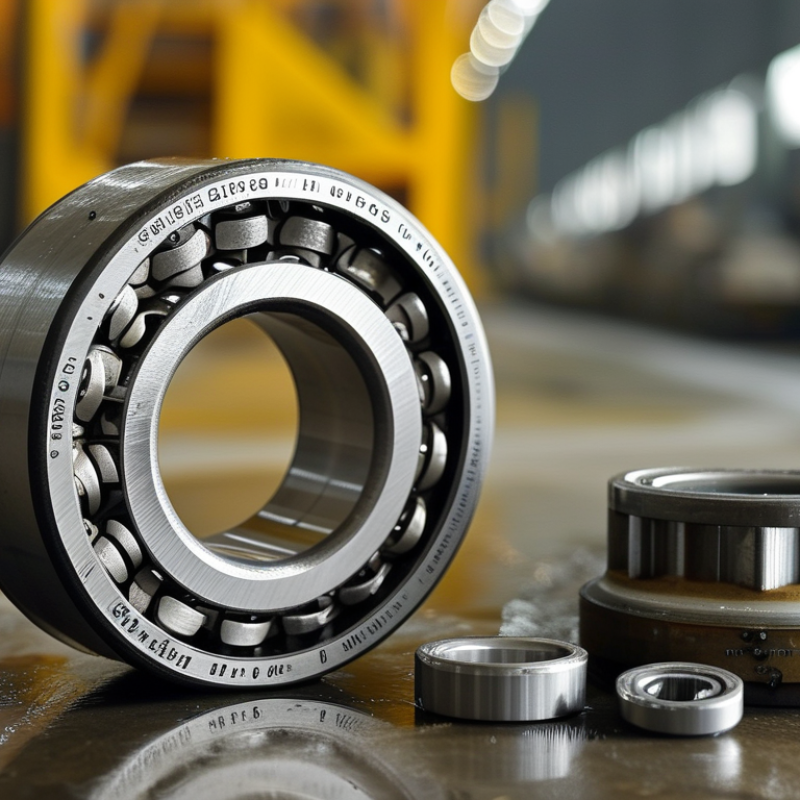
The Hb88509 center bearing supports a vehicle’s driveshaft between two shaft sections. It reduces shaft vibration and helps maintain alignment during acceleration. The assembly usually includes a sealed rolling bearing, rubber support, and mounting bracket. Its catalog code identifies a design family, not every possible specification. Buyers should verify bore diameter, outer diameter, width, bolt spacing, and shaft compatibility before ordering.

ISO 281 uses 90% reliability as the basic bearing rating-life reference. That figure describes calculated fatigue life, not guaranteed service mileage. ISO 15243 also links bearing damage to fatigue, contamination, lubrication problems, corrosion, and mounting errors. These details matter in real inspections. A noisy bearing may reflect a worn rubber mount instead.

Experienced technicians check looseness, rubber cracks, rust marks, and uneven rotation. They also inspect the driveshaft angle and nearby universal joints. A replacement that fits the bracket can still create vibration if its rubber hardness differs. Small installation errors become obvious at highway speed. They can also shorten bearing life.

Global buyers should request dimensional drawings, material details, sealing information, and test records. Supplier quality systems should be traceable to recognized standards. The part number helps, but it is not enough. That is the imperfect part. Catalog data cannot replace vehicle-specific verification.

Why Choose HB88509 Center Bearing for Global Buyers?

What Is the HB88509 Center Bearing? The HB88509 is a driveline support bearing designed to support the driveshaft, maintain shaft alignment, and reduce vibration between drivetrain sections.

The chart shows commonly specified nominal dimensions for the HB88509 bearing size, converted from inch-based measurements to millimetres. Actual dimensions may vary slightly by application and supplier specification.

How Does the Hb88509 Center Bearing Support Driveline Performance?

Why Choose Hb88509 Center Bearing for Global Buyers?

The Hb88509 center bearing supports driveline performance by stabilizing the rotating propeller shaft. It helps maintain alignment between connected shaft sections. This reduces vibration, uneven wear, and harsh movement under changing loads.

In workshop inspections, a worn center bearing often shows cracked rubber, rough rotation, or excessive shaft movement. Replacing it with a properly specified Hb88509 bearing can restore smoother power transfer. Correct fit matters greatly. An unsuitable bearing may create noise, premature wear, or alignment problems. It is not a magic fix. Other driveline parts should also be checked.

Tips: Confirm shaft dimensions, mounting-hole spacing, bearing position, and rubber support condition before ordering. Ask for material details, tolerance information, and inspection records. For global buyers, clear packaging and traceable documentation support safer handling during transport. Installation should follow the vehicle maker’s service procedure, using accurate torque settings. Small errors can become expensive. Testing after installation should include low-speed checks, vibration observation, and a careful road evaluation. A second inspection after initial use is sensible, though it is sometimes overlooked.

Why Choose HB88509 Center Bearing for Global Buyers? – How Does the HB88509 Center Bearing Support Driveline Performance?
Data Dimension HB88509 Reference Data Driveline Function Practical Benefit for Buyers
Bearing Type Center support bearing assembly with a sealed radial bearing and elastomeric support Supports the intermediate section of a two-piece propeller shaft while allowing the shaft to rotate smoothly. Combines rotational support and vibration isolation in one service assembly.
Common Reference Bore 30 mm / approximately 1.181 in Locates the bearing on the driveshaft support surface or bearing journal. Provides a clear dimensional checkpoint when matching the part to a vehicle application.
Common Reference Outside Diameter 62 mm / approximately 2.441 in Defines the outer envelope of the bearing assembly and its fit within the support bracket. Helps buyers check housing clearance and installation compatibility.
Common Reference Bearing Width 37 mm / approximately 1.457 in Controls the axial installation space occupied by the bearing cartridge. Useful for confirming shaft, bracket, and surrounding-component clearance.
Installation Position Intermediate position on a two-piece driveshaft Reduces the unsupported span of the propeller shaft. Helps limit shaft deflection and reduces the risk of driveline vibration caused by excessive span length.
Radial Support Provided by the rolling bearing element Maintains shaft alignment while the propeller shaft rotates under load. Supports smoother power transmission and helps reduce uneven bearing and shaft loading.
Vibration Isolation Provided by the surrounding rubber or elastomer mount Absorbs a portion of drivetrain vibration and structure-borne noise before it reaches the vehicle body. Can improve cabin comfort when the mount and shaft are correctly aligned.
Torque and Speed Response Application-dependent; determined by shaft speed, torque, load, and alignment Transfers rotational support loads without allowing excessive radial movement. Buyers should verify the vehicle application rather than relying on dimensions alone.
Sealing Requirement Pre-lubricated, sealed bearing design is commonly used Helps retain lubricant and limits entry of road dust and moisture during normal service. Reduces routine lubrication requirements and supports longer maintenance intervals.
Typical Wear Symptoms Growling or humming noise, vibration during acceleration, excessive radial play, or damaged rubber Indicates deterioration of the rolling element, mount, or shaft support alignment. Provides practical inspection points before installation or replacement.
Key Compatibility Checks Bore, outside diameter, width, bracket position, shaft design, and vehicle application Ensures the bearing is correctly located and loaded in the driveline. Reduces the risk of premature wear, installation problems, and driveline imbalance.
Global Purchasing Consideration Use dimensional data together with an application or cross-reference check Different vehicles may use visually similar center bearings with different mounting or shaft specifications. Improves ordering accuracy for international replacement and aftermarket sourcing.
Dimensional values shown are commonly referenced HB88509 dimensions and should be confirmed against the vehicle manufacturer’s application data, original bearing, driveshaft configuration, and mounting bracket before purchase.

Which Vehicles and Applications Use the Hb88509 Center Bearing?

The Hb88509 center bearing is commonly used in vehicles with a two-piece propeller shaft. These include rear-wheel-drive passenger vehicles, four-wheel-drive models, light trucks, vans, and some commercial chassis. Its job is practical but important. It supports the driveshaft at its midpoint and helps control vibration during acceleration.

In workshop inspections, technicians usually check the bearing’s rubber cushion, mounting bracket, shaft fit, and bolt spacing. A worn unit may produce a humming sound, clunk, or floor vibration around the transmission tunnel. Some drivers notice it most clearly between 40 and 70 km/h. The Hb88509 designation can suit several applications, but it does not confirm every fitment. Shaft diameter and bracket dimensions must match.

It is also selected for utility vehicles carrying regular loads or operating on uneven roads. These conditions place extra stress on the center support. A reliable replacement should use a properly sealed bearing and a resilient rubber support. Cheap-looking rubber can become hard quickly. That matters.

Installation experience shows that alignment is often overlooked. The driveshaft should remain correctly phased, and fasteners need even tightening. Otherwise, a new bearing may still create noise. Application guides, vehicle records, and direct measurements provide stronger evidence than appearance alone. In uncertain cases, checking the original part beside the replacement is the safer choice.

What Quality and Compatibility Factors Should Global Buyers Check?

Why Choose Hb88509 Center Bearing for Global Buyers?

Global buyers should judge the Hb88509 center bearing by evidence, not appearance. A clean housing means little if the bearing fails under heat or vibration. Check the exact shaft diameter, mounting-hole spacing, bearing width, and total assembly height. Small measurement errors can create noise, misalignment, or premature wear.

Material quality matters too. Ask about rubber hardness, steel grade, corrosion protection, and sealing performance. A reliable supplier should provide dimensional drawings, batch traceability, inspection records, and load-test information. Compatibility also depends on the vehicle or machinery application. Confirm operating speed, torque, temperature range, and exposure to water or dust. In workshop inspections, I have seen buyers match only the part number. That shortcut sometimes causes difficult installation later.

Tips:

Compare the bearing with the original part before ordering. Measure twice. Review tolerance data, not only catalog dimensions. Ask whether samples were tested under realistic vibration and load conditions. Check packaging strength for long-distance transport. Also, verify whether replacement components meet the destination market’s technical and safety requirements. A supplier may offer fast delivery, but unclear documentation should slow your decision. No product is perfect. Even a well-made center bearing needs correct alignment, proper tightening, and regular inspection.

How Can Buyers Source and Maintain the Hb88509 Center Bearing?

Global buyers can source the Hb88509 center bearing through established industrial distributors, verified manufacturers, or audited machinery-parts suppliers. Request dimensional drawings, load ratings, material details, sealing specifications, and batch traceability before ordering. Match the bearing with the vehicle or shaft application, not only the reference number. Small differences in bore size or mounting width can cause serious alignment problems. Ask for a sample when the order is large. A physical inspection may reveal machining marks, uneven seals, or poor packaging.

Tips: Compare at least three quotations, but do not select by price alone. Check supplier response time, inspection records, export documents, and replacement policies. Confirm that every unit has clean labeling and protective packaging. A checklist helps, though it cannot catch every mistake. I have seen buyers approve correct-looking parts without checking shaft alignment.

Maintain the Hb88509 bearing in a clean, dry workspace. Install it with the correct torque and suitable tools. Never strike the bearing directly with a hammer. Inspect nearby bolts, brackets, seals, and shafts during scheduled servicing. Watch for vibration, unusual noise, heat, or rubber cracking. These signs often appear before complete failure. Keep records of installation dates, operating conditions, inspections, and replaced components. Lubrication requirements depend on the specific bearing design, so follow the technical specification rather than guessing. If the equipment operates in dust, water, or heavy loads, shorten inspection intervals and review the schedule after real operating experience.