
Choosing among China’s heavy construction equipment manufacturers requires more than comparing brand names. Buyers need to examine machine performance, service access, parts availability, and long-term operating costs. A crawler excavator may look impressive in a showroom, but its value becomes clearer after months of digging, loading, and routine maintenance.
SANY founder Liang Wengen is closely associated with the company’s guiding motto, “Quality changes the world.” It offers a useful lens for evaluating manufacturers, though a slogan alone cannot prove product quality. Real evidence comes from field performance, consistent manufacturing, and responsive dealer support. Small details matter: how quickly a replacement hydraulic hose arrives, whether a technician can diagnose a warning light, and how a machine handles a demanding workday.
This guide introduces leading Chinese manufacturers and the strengths they bring to different job sites. It considers product range, technology, export presence, service networks, and practical buyer concerns. No ranking is perfect. Company capabilities change, and local support can vary sharply by region. A strong machine on paper may be a poor fit where parts are scarce or trained technicians are far away. Readers should treat this overview as a starting point, then verify specifications, warranty terms, and dealer coverage for their own projects. The best choice is not always the biggest name. It is the machine that works reliably where you need it.
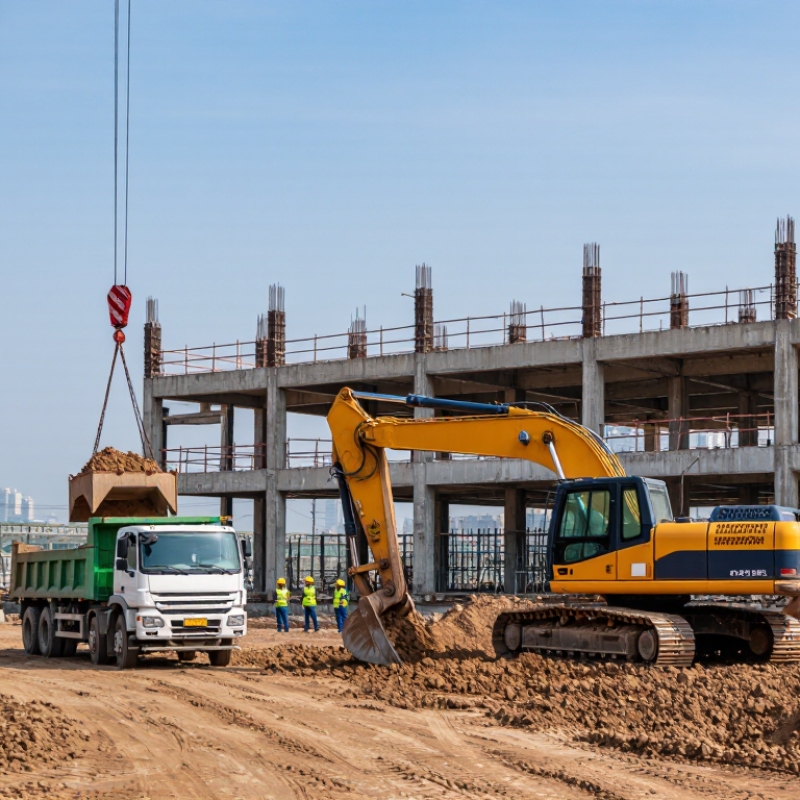
China’s heavy construction equipment industry is organized around large manufacturers, focused specialists, component suppliers, and service networks. The structure is broad. Major producers often cover several equipment categories, while smaller firms concentrate on products such as concrete pumps, compact loaders, or road rollers. This division lets buyers compare machines by job type rather than treating the market as one uniform sector.
Production clusters connect factories with suppliers of engines, hydraulic systems, steel parts, and electronic controls. That proximity can shorten sourcing distances, though quality and delivery consistency still vary between suppliers. Regional dealers and repair workshops support equipment after purchase, an important detail when a machine works far from a major city. Some manufacturers also export through distributors, but overseas service coverage is not always equally strong. It depends on the market.
The industry does not fit into neat categories. Company size alone cannot show how well a machine performs on a muddy site or through long shifts. Buyers should check rated capacity, parts availability, service response times, and warranty terms for the exact model. Product specifications can change, and published figures may not tell the whole story. A careful comparison includes the machine, its components, and the support network behind it.
A useful evaluation begins with the machine’s intended job, not a brochure’s headline figures. Compare rated load, operating weight, reach, and fuel use against the actual site conditions. A loader working on soft ground needs different strengths from an excavator handling compacted material. Numbers can mislead. Ask for test records showing how performance was measured, and check whether the configuration matches the quoted model. Inspect weld consistency, hose routing, cab visibility, and access to routine service points. Small details matter. A filter that is difficult to reach can add time to every maintenance visit.
Assess production controls and support as carefully as specifications. Request clear inspection procedures, parts lists, warranty terms, and service response expectations in writing. If possible, examine a machine after a working shift; fresh paint alone tells little about durability. Look closely. Ask how critical components are sourced and how quality issues are recorded and corrected. A factory visit or independent inspection can help verify claims, though one visit cannot represent every production batch. Compare documentation across several units, not just one carefully prepared example. Availability of trained technicians and common replacement parts may affect operating cost more than a small difference in purchase price. No checklist is perfect. Record uncertainties alongside confirmed facts, then weigh them against the job’s downtime risks and maintenance capacity.
China’s major construction-equipment manufacturers span broad-line producers and focused specialists. KHL Group’s Yellow Table 2024 reported that Chinese companies represented about 17.2% of the top 50 manufacturers’ combined sales. This signals substantial global scale, but sales rank alone cannot show machine uptime, parts availability, or support quality.
Large state-owned groups typically offer excavators, cranes, loaders, and road machinery under one portfolio. Their breadth can simplify fleet sourcing. Private manufacturers often compete through focused product lines, export networks, and value-oriented configurations. Compare hydraulic response, rated payload, fuel use, and cab visibility on the actual model. Check service coverage near the jobsite; a capable machine is less useful when a replacement filter takes days. Product strengths vary, and published specifications do not always reflect muddy ground, steep haul roads, or long shifts.
Tips: Ask for operating-hour records and a local parts list. Inspect welds, hose routing, and service access. Small details matter. I would also verify test conditions behind fuel-efficiency claims; comparisons can be imperfect.
Annual excavator sales provide an industry-level snapshot of demand and export reach—useful context for profiles of China’s major construction equipment manufacturers. Figures are units sold; company and brand data are not shown. Source: China Construction Machinery Association (CCMA).
China’s heavy construction equipment sector is best compared by application coverage, not catalog size alone. Manufacturers may offer excavators, wheel loaders, graders, rollers, cranes, and concrete machinery. Shared components can simplify stocking filters, hydraulic fittings, and undercarriage parts across a fleet. That matters on remote sites. Still, a broad product range does not guarantee equal support for every model or region.
Technology comparisons should look beyond touchscreen displays. Telematics can track fuel use, idle time, fault codes, and service intervals. Grade-control options may improve repeatability on road projects. Ask for performance data from similar soil, temperatures, and duty cycles; brochure figures rarely describe a full shift. Test the controls yourself.
Global reach means more than export volume. Check local parts depots, technician response times, translated manuals, warranty terms, and destination-specific machine documentation. A dealer map may look impressive while a replacement seal takes weeks to arrive. Buyers should seek references from projects with comparable workloads and confirm which parts are stocked locally. Comparisons are never perfect: uptime also depends on operator skill, maintenance habits, and site conditions.
Choosing a Chinese heavy equipment manufacturer starts with the job, not the catalogue. A crawler excavator for wet clay needs different ground pressure and reach from a machine working on a compact urban site. Check operating weight, attachment compatibility, fuel use, and expected daily hours against the project plan. Fit matters more. Request technical sheets and compare the listed working conditions with your actual soil, slopes, and haul distances.
Support can matter as much as machine capacity. Ask where routine parts are stocked, how quickly technicians can respond, and what operator training is included. If possible, inspect a comparable machine at work and review maintenance records. Ask for evidence. Published specifications are useful, but they cannot show how a machine handles a long shift in dust or heat. I would not treat any checklist as a perfect formula; site conditions and crew experience can change the choice.
Tips: Share your project details before requesting a quotation: material type, working hours, access limits, and required attachments. Ask suppliers to explain service intervals and warranty coverage in writing. Compare the complete ownership cost, including transport, fuel, parts, and downtime—not just the purchase price. A small gap in local support can become a costly delay.
| Project Requirement | Equipment Class to Consider | Typical Size or Specification Range | Suitable Applications | Key Procurement Checks |
|---|---|---|---|---|
| Earthmoving on general construction sites | Hydraulic excavator | Operating weight commonly ranges from about 20 to 40 tonnes for medium-to-large machines; bucket capacity varies by model and attachment. | Building foundations, utility work, road construction, and general excavation. | Check digging depth and reach, bucket options, hydraulic flow, fuel use, undercarriage durability, and local parts availability. |
| High-volume loading and short-cycle material handling | Wheel loader | Common construction models range from roughly 2 to 5 cubic metres of rated bucket capacity; payload and operating weight are model-dependent. | Loading aggregate, stockpiles, trucks, and batch-plant materials on firm ground. | Match bucket size to material density and truck capacity; review breakout force, tipping load, tire options, visibility, and cycle-time support. |
| Bulk earthmoving, site preparation, or sustained pushing | Crawler bulldozer | Small-to-medium and large classes vary widely; engine output and operating weight should be selected for the required blade load and ground conditions. | Cutting and spreading soil, rough grading, land clearing, and work on soft or uneven ground. | Compare blade type, drawbar performance, ground pressure, track configuration, ripper options, and service access. |
| Accurate road formation and finish grading | Motor grader | Typically specified by blade length, engine power, and machine weight; configurations differ by class and steering arrangement. | Road subgrade preparation, ditching, road maintenance, and shaping large prepared surfaces. | Check blade length and moldboard controls, articulation, steering modes, grade-control compatibility, and operator visibility. |
| Moving excavated material over rough, unpaved routes | Articulated dump truck | Payload capacity is commonly selected by project scale, with models available across small, medium, and large haul classes. | Quarries, mines, major earthworks, and sites with uneven haul roads or poor traction. | Assess payload against excavator capacity, haul distance, road gradients, turning space, tire support, and service requirements. |
| Lifting structural components and heavy site loads | Mobile crane | Rated lifting capacities span a broad range; actual capacity depends on boom length, working radius, outrigger setup, and load chart. | Building erection, equipment installation, infrastructure work, and lifting where mobility between locations matters. | Use the load chart for the exact lift; verify reach, counterweight, road transport limits, outrigger footprint, and required certifications. |
| Compacting soil or asphalt in road and site works | Vibratory roller | Selected by drum width, operating weight, vibration settings, and compaction force; single-drum and tandem-drum designs serve different tasks. | Soil and aggregate compaction, road base preparation, and asphalt finishing. | Match drum type and vibration settings to material and lift thickness; check compaction performance, edge access, and water-spray system. |
Note: Specification ranges are indicative selection guidance, not model-specific guarantees. Actual capacity and performance depend on configuration, attachments, materials, terrain, operating conditions, and applicable standards. Request current technical sheets and verify local service and parts support before purchase.