China Top Plant Machinery Suppliers for Global Buyers
China has become a major sourcing base for plant machinery, supported by strong manufacturing capacity, extensive supplier networks, and improving export infrastructure. The China Construction Machinery Industry Association reported steady industry activity in recent years, despite uneven demand across construction, mining, agriculture, and energy projects. This matters to global buyers. A supplier may offer competitive pricing, yet product consistency, after-sales support, and documentation require closer attention.
Market data also shows why supplier selection deserves a structured approach. Off-Highway Research continues to track China as one of the world’s largest construction equipment markets by sales volume. UN Comtrade trade data further reflects China’s substantial exports of machinery and mechanical equipment across international markets. These figures indicate scale, not automatic reliability. Large production capacity does not guarantee that every factory can meet a buyer’s specifications.
Details matter.
A credible supplier should provide traceable company information, equipment test records, clear technical parameters, and practical warranty terms. Buyers should examine welding quality, hydraulic components, engine origin, control systems, spare-parts availability, and delivery performance. Factory audits, video inspections, and independent pre-shipment checks can reduce avoidable risks. However, no checklist is perfect. Even experienced purchasing teams can overlook communication delays or local service limitations.
This guide introduces leading China plant machinery suppliers for global buyers. It compares manufacturing experience, product categories, certifications, export capability, customization support, and customer service. The goal is not to declare one universal winner. Different projects require different strengths, budgets, and risk controls. Reliable decisions come from verified evidence, not impressive catalogs alone.
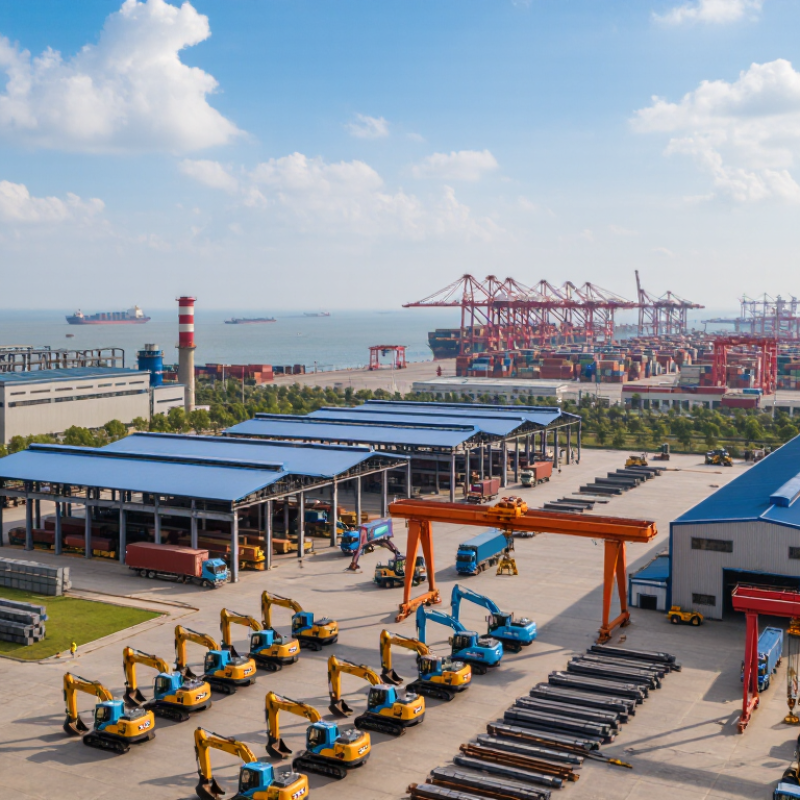
What Plant Machinery Suppliers in China Provide
China Top Plant Machinery Suppliers for Global Buyers
What Plant Machinery Suppliers in China Provide
Chinese plant machinery suppliers increasingly provide complete production packages, not only standalone machines. Their offers may include process design, fabrication, automation, installation guidance, spare parts, and operator training. Equipment commonly covers material handling, crushing, mixing, drying, filling, packaging, and wastewater treatment. A practical quotation should state output per hour, energy use, material grade, tolerance, and warranty response time. These details matter more than a polished catalog.
Automation capability is a major differentiator. The International Federation of Robotics reported 541,302 industrial robot installations worldwide in 2023. China accounted for 276,288 installations. Suppliers therefore increasingly integrate PLC controls, sensors, remote diagnostics, and safety interlocks into plant lines. Buyers can request factory acceptance test records, wiring diagrams, software backups, and sample production runs before shipment. Ask for references in similar climates. Dust, humidity, and unstable voltage expose weak designs quickly.
Suppliers also provide customization. A quarry line may need a reinforced feeder, while a food-processing plant requires hygienic contact surfaces and easy cleaning. The World Bank’s Logistics Performance Index 2023 links delivery performance with tracking, customs, and infrastructure. Machinery is only part of the risk. Some proposals still underestimate commissioning time. That is a real concern. Build acceptance tests around measurable capacity, reject rate, noise, and power consumption. Independent inspection remains sensible, especially when drawings change late.
How to Evaluate Chinese Plant Machinery Manufacturers
Choosing Chinese plant machinery suppliers requires more than comparing quotations. Evaluate the manufacturer behind the equipment, not only the trading office presenting it. Request a factory visit, video inspection, or independent audit. Check production capacity, welding quality, machining accuracy, paint preparation, and final assembly. A clean workshop matters, but traceable processes matter more. Ask for material certificates, inspection records, load-test results, and installation drawings.
Tips: Compare at least three manufacturers using the same technical specification. Confirm motor ratings, safety guards, control systems, spare parts, and delivery terms in writing. Speak with recent overseas customers, when possible. Ask how the supplier handles defects after installation. A fast answer is useful, but a documented answer is stronger.
Experienced buyers should study the manufacturer’s engineering team and quality controls. Review similar projects, operator manuals, maintenance schedules, and test videos with visible dates. Check whether claimed certifications can be verified through the issuing organization. Do not accept impressive photographs as proof of performance. During one inspection, a minor oil leak might reveal weak assembly discipline, although it could also be a simple maintenance issue. I have learned that early assumptions can be wrong. Leave room for technical questions, independent testing, and a final acceptance check before shipment.
How to Evaluate Chinese Plant Machinery Manufacturers
The chart presents major China manufacturing indicators that global buyers can use as market context when assessing production capability, engineering strength, automation maturity, and export readiness. These figures are national-level benchmarks, not individual supplier scores.
Sources: World Bank manufacturing value added data, China National Bureau of Statistics R&D data, International Federation of Robotics World Robotics 2024, and WTO merchandise trade statistics. Buyers should also verify factory audits, certifications, testing records, delivery history, spare-parts support, and after-sales service directly with each manufacturer.
Key Certifications and Quality Standards to Check
When global buyers compare plant machinery suppliers, certification is a practical filter, not decorative paperwork. Ask for current ISO 9001 records, environmental certification, and occupational safety certification. Check CE compliance when equipment enters applicable European markets. Product-specific approvals may also be necessary. Verify each certificate’s number, scope, issuing body, and expiry date. A certificate covering office management may not cover welding or final assembly. Check the scope.
Quality standards should match the machine’s risks and operating conditions. Review material certificates, weld inspection reports, dimensional records, load tests, and electrical safety checks. Request traceable serial numbers from raw steel to final inspection. Factory acceptance testing should measure output, noise, vibration, temperature, and emergency-stop response. Do not rely only on polished videos. Ask for dated records and sample reports. In practical inspections, small documentation gaps often reveal weak process control. Still, one missing document does not prove poor machinery. It signals a question worth investigating.
Tips: Compare certificate details with the actual factory address. Ask who calibrates testing instruments and how often. Check whether inspectors are independent and properly qualified. Visit the production area if possible. Look for organized parts storage, clear inspection tags, and workers following written procedures. Speak with technical staff about maintenance intervals and spare-part traceability. Pay attention to answers. Vague replies may matter more than impressive brochures.
Comparing Supplier Support, Pricing, and After-Sales Service
China Top Plant Machinery Suppliers for Global Buyers
Choosing a plant machinery supplier requires more than comparing catalog prices. Support quality often determines whether a project starts smoothly. Experienced suppliers should provide technical drawings, installation guidance, operator training, and clear documentation. Ask how quickly engineers respond when a control panel shows an unfamiliar fault. A reliable answer includes service channels, response times, and escalation procedures.
Pricing needs careful inspection. A low quotation may exclude molds, commissioning, spare parts, packaging, or local delivery. Request an itemized offer with payment terms and estimated operating costs. I once focused too heavily on the purchase price and underestimated training expenses. That comparison looked professional, but it was incomplete. Warranty coverage also deserves attention. Check its duration, exclusions, labor terms, and parts availability. Written commitments are safer than friendly promises.
Tips: Ask for two customer references, a sample maintenance schedule, and a video demonstration under realistic conditions. Confirm the availability of wear parts before signing. Compare the full ownership cost, not only the invoice total. Keep communication records. Small details matter. Suppliers may offer remote troubleshooting, but complex faults still require skilled onsite support. A practical evaluation should test both machinery performance and service reliability. Some buyers overlook language differences, time zones, and local technical capacity. These issues can delay production. A factory visit may help, although it cannot replace independent verification. Ask difficult questions early. That is often revealing.