What Is a Heavy Equipment Trader for Global Buyers?
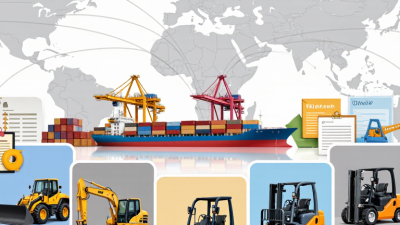
For global buyers, a heavy equipment trader is more than a seller with machines in a yard. This professional connects manufacturers, contractors, rental firms, and verified buyers across borders. The trader may source excavators, wheel loaders, cranes, bulldozers, and specialized attachments. A reliable trader explains each machine’s age, operating hours, maintenance history, ownership documents, and working condition. These details shape a safer purchasing decision. Not every attractive machine is a good investment.
An experienced heavy equipment trader understands export preparation, freight planning, inspection procedures, and regional equipment demand. They can arrange video inspections, independent evaluations, spare-part checks, and clear quotations. Photos help, but they do not replace a cold-start test or hydraulic inspection. Buyers should compare serial numbers with available records and question unusual hour readings. Small inconsistencies deserve attention. Trust needs evidence.
The trader’s value also lies in communication. Time zones, language differences, payment schedules, and customs requirements can complicate international transactions. A responsible trader explains applicable requirements without making unrealistic promises. Delivery dates may change. Even a careful inspection can miss hidden wear. That is an uncomfortable reality. Buyers should request written terms, inspection results, warranty limits, and after-sales support before committing. They should also confirm the machine’s suitability for local terrain, fuel standards, and service capacity. With transparent information and realistic expectations, a trader can reduce uncertainty and make global equipment sourcing more practical. Mistakes still happen. Good traders acknowledge them, document solutions, and improve their process.
Definition and Role of a Heavy Equipment Trader
What Is a Heavy Equipment Trader for Global Buyers?
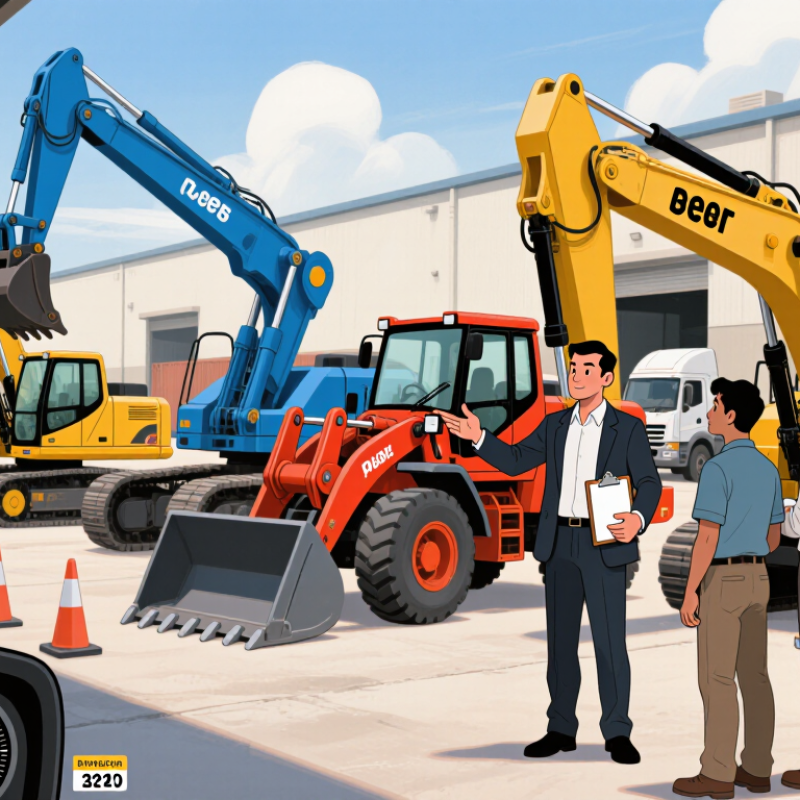
A heavy equipment trader connects buyers with machines that fit real working conditions. This role involves sourcing, inspecting, pricing, and coordinating delivery. The trader may handle excavators, loaders, cranes, graders, and used industrial machinery.
Off-Highway Research reports that annual global construction equipment sales exceed one million machines. This scale creates information gaps. Buyers may not understand regional prices, machine hours, maintenance records, or import procedures. A professional trader reduces these gaps through technical checks and documented communication. They compare engine hours with service history. They also examine hydraulic leaks, tire wear, structural cracks, and attachment compatibility. Small details matter.
International Trade Centre Trade Map shows substantial cross-border trade under HS 8429, covering several major self-propelled construction machines. A trader must read these classifications accurately. Misclassification can delay customs clearance or create unexpected costs. Freight planning also requires attention to dimensions, weight, loading points, and destination infrastructure. The work is practical and highly specific.
Yet no trader is infallible. A clean photograph cannot prove mechanical reliability. Even a careful inspection may miss intermittent electrical faults. Experienced traders therefore request cold-start videos, oil reports, serial-number records, and independent inspections when appropriate. Clear limitations should be stated before payment arrangements begin. Trust grows through evidence, not confident language.
How Heavy Equipment Traders Connect Global Buyers and Sellers
A heavy equipment trader connects global buyers and sellers through market knowledge, verification, and practical coordination. The role extends beyond listing a used excavator or crane. Traders compare regional prices, inspect operating hours, review maintenance records, and identify suitable transport routes. They also explain differences in emissions rules, attachments, currency, taxes, and local service support.
Market scale makes this connection valuable. Off-Highway Research reported approximately 1.2 million construction equipment units sold worldwide in 2023. That volume creates information gaps between a seller in one country and a buyer thousands of miles away. A reliable trader reduces those gaps with inspection photographs, serial-number checks, ownership documents, and condition reports. The details matter. A small hydraulic leak can become an expensive shipping problem.
Professional traders also manage communication after the sale. They coordinate loading, export paperwork, marine insurance, and delivery schedules with qualified logistics partners. International Trade Centre trade data shows machinery remains a major category in global merchandise trade, but equipment transactions still require careful classification and compliance checks. No process is flawless. A trader may overlook corrosion beneath fresh paint, or a buyer may underestimate local parts availability. Good practice means admitting uncertainty, requesting independent inspections, and recording every promise in writing. Trust develops slowly, especially when the machine is viewed through a screen.
Types of Machinery and Services Offered by Traders
What Is a Heavy Equipment Trader for Global Buyers?
A heavy equipment trader connects global buyers with used, new, and refurbished machinery. Their inventory may include excavators, wheel loaders, bulldozers, cranes, forklifts, graders, and compact construction machines. Each machine serves a different job site. An excavator may arrive with hydraulic attachments, while a loader may be prepared for quarry or roadwork applications.
Reliable traders offer more than equipment listings. They check operating hours, maintenance records, engine condition, tire wear, and hydraulic performance. Some arrange independent inspections with photographs, fluid tests, and short operating videos. They may also provide export documentation, secure payment procedures, inland transport, ocean freight coordination, and spare-parts sourcing. Clear specifications matter. A small error in lifting capacity or voltage can create expensive delays.
Tips: Ask for the serial number, inspection date, service history, and machine dimensions. Confirm local import requirements before payment. Compare the stated hours with pedal wear, seat condition, and maintenance evidence. Never rely on polished photographs alone. No inspection is perfect. In my experience, buyers sometimes focus on purchase price and overlook port handling, storage, and operator training. That decision can reduce the real value of a good machine. Request a written quotation with every fee listed. Keep communication records. A careful trader should answer technical questions directly, admit uncertainty, and explain what remains unverified.
The International Buying Process for Heavy Equipment
What Is a Heavy Equipment Trader for Global Buyers?
The International Buying Process for Heavy Equipment
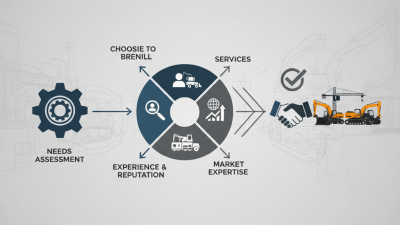
A heavy equipment trader connects international buyers with suitable machines, sellers, inspectors, and logistics providers. The role is more than finding a low price. It requires checking operating hours, maintenance records, ownership documents, and machine condition. A serious trader asks how the equipment will be used, including terrain, workload, and climate.
The process usually begins with a written specification. Buyers should state the required model type, lifting capacity, working hours, delivery location, and budget. The trader then compares available units and requests detailed photos, videos, serial information, and service history. Independent inspection matters. Oil leaks, worn tracks, cracked frames, and unusual engine noise can change the deal quickly. Photos can hide problems.
After inspection, both parties confirm the invoice, payment terms, delivery responsibility, insurance, and export documents. Customs requirements differ by destination, so professional traders verify them before payment. They also check whether the machine meets local safety and environmental rules. A small document error can delay a shipment for weeks.
Sea freight may involve container loading or roll-on, roll-off transport. The trader should record the machine’s dimensions, weight, fuel level, and loading condition. Clear communication continues after departure. However, no checklist is perfect. Buyers should keep contingency funds for storage, repairs, inspection changes, or exchange-rate movement. That caution is not pessimism. It is practical international purchasing.
What Is a Heavy Equipment Trader for Global Buyers?
Typical International Buying Process for Heavy Equipment
The chart shows practical planning ranges in business days for a cross-border heavy-equipment purchase, from defining specifications to delivery at the destination port. Actual timing depends on equipment availability, inspection requirements, export documentation, customs clearance, route, and shipping method. Ocean transit is commonly the longest stage and may take several weeks for oversized machinery.
Key Factors Global Buyers Should Evaluate Before Purchasing
What Is a Heavy Equipment Trader for Global Buyers?
Key Factors Global Buyers Should Evaluate Before Purchasing
A heavy equipment trader connects global buyers with used or new machinery for construction, agriculture, mining, and infrastructure projects. A reliable trader does more than arrange a sale. They explain equipment history, operating hours, condition, transport options, and expected maintenance needs. Buyers should request clear inspection photos, service records, serial details, and a working video. Polished images are not enough. They can hide leaks, worn tracks, cracked welds, or dashboard warnings.
Evaluate the machine against your actual jobsite conditions. Check engine performance, hydraulic response, attachment compatibility, fuel use, and spare-part access in your region. Ask for the total landed cost, including loading, shipping, insurance, taxes, and possible repairs. A low purchase price may become expensive after arrival. Also review the trader’s communication, written terms, inspection process, and after-sales support. Consistency matters more than confident promises.
Tips: Compare at least three offers with the same specifications. Use an independent inspection when possible. Ask why the equipment is being sold. That answer may reveal useful history. Do not ignore small concerns. A missing maintenance record is not proof of a problem, but it deserves attention. Buyers can also make mistakes by focusing only on age. In practice, a well-maintained older machine may outperform a newer machine with neglected service. Even careful evaluation has limits, so document every agreement before payment.