...

10 Machinery and Equipment Buying Tips for Global Buyers

Buying machinery and equipment across borders is rarely a simple price comparison. A lower quotation may hide expensive shipping, installation delays, weak training, or unavailable spare parts.

Experienced global buyers examine the entire ownership journey. They verify technical specifications, production capacity, energy use, maintenance requirements, warranty terms, and after-sales support. They also confirm whether the supplier can provide clear manuals, reliable documentation, and responsive communication across time zones. A machine may look excellent in a video, yet perform differently under real factory conditions. Ask for test reports, customer references, inspection records, and a live demonstration whenever possible.

Quality authority W. Edwards Deming offered a useful warning: “Quality comes not from inspection, but from the improvement of the production process.” This idea matters when evaluating machinery and equipment suppliers. A polished final inspection cannot repair poor design, inconsistent components, or weak process control.

The following ten tips focus on practical decisions, from comparing total cost of ownership to checking compliance, delivery risks, payment protection, and local service capability. Look closely at small details, such as connector types, voltage requirements, crate dimensions, and spare-part lead times. They can disrupt an otherwise sound purchase.

No checklist is perfect. A spreadsheet may still miss cultural misunderstandings or unrealistic production assumptions. Buyers should question their own requirements, not only the supplier’s promises. Careful verification takes time, but rushed decisions often cost more after delivery. This guide provides a reliable framework for reducing surprises and building stronger international equipment purchases.

10 Machinery and Equipment Buying Tips for Global Buyers

Define Your Machinery Needs and Operating Requirements

Before comparing machinery, define the job in measurable terms. Record the material, daily volume, product dimensions, required accuracy, and working hours. Include peak demand, not only average demand. A cutting machine may process 500 units daily, but can it handle a sudden 30% increase?

Study the operating environment carefully. Note available power, voltage, floor space, temperature, humidity, dust, and ventilation. Check whether the equipment needs compressed air, water, drainage, or special foundations. Operators also matter. Their skill level, language, and training time can affect real output. A technical specification may look complete. It can still miss daily realities.

Tip: Write a one-page operating brief before requesting quotations. Ask suppliers to confirm capacity under your exact conditions. Request test data, energy use, maintenance intervals, noise levels, and safety features. Verify these details through technical documents and a witnessed trial when possible. Photos can help, but they do not prove performance.

Define acceptable results before purchase. Set limits for speed, accuracy, downtime, changeover time, and rejected products. Include spare-part availability and remote support response times. Experienced buyers also calculate the full operating cost, including labor, utilities, consumables, training, and planned maintenance. A low purchase price may create expensive interruptions later.

Some assumptions will be wrong. That is normal. Review them with operators and maintenance staff before signing. Their practical comments often reveal blocked access panels, awkward loading heights, or cleaning tasks that engineers overlook. Keep every requirement documented, dated, and linked to a measurable acceptance test.

Verify Supplier Credentials, Certifications, and Industry Experience

When buying machinery across borders, supplier verification should happen before price negotiation. A polished website proves little. Request business registration, factory address, ownership details, and a named technical contact. Check whether these details match the legal entity on the quotation and bank information. Inconsistent names are a practical warning, not a minor clerical issue. Use independent registries, certification databases, and local inspection services where available. Screenshots can be altered.

Certifications need closer examination than a logo on a brochure. Ask for certificate numbers, issuing bodies, scope, expiry dates, and covered machine models. Confirm that each certificate applies to the actual production site, not another facility. For safety-critical equipment, request test reports and recent inspection records. The supplier should explain which standards guide design, testing, installation, and maintenance. Vague answers suggest limited technical control. Check the dates.

Industry experience is best tested through evidence, not confident promises. Request references from buyers using similar materials, workloads, and operating environments. Ask about delivery dates, equipment failures, spare-parts response times, and commissioning support. A video call from the factory can reveal workflow, calibration tools, and housekeeping. Still, my checklist has blind spots. A successful reference may hide poor after-sales service. Use staged payments tied to documented milestones, and arrange inspection before shipment. Leave room for doubt.

Compare Technical Specifications, Total Costs, and Financing Options

When buying machinery internationally, technical specifications deserve more than a quick comparison table. Check output capacity, power consumption, operating temperature, footprint, and compatible materials. A machine rated for 500 units per hour may reach that figure only under ideal factory conditions. Ask for test data from similar workloads. Small details matter.

Request the same information from every supplier. Compare motor efficiency, control systems, safety features, maintenance intervals, and spare-part availability. Confirm whether measurements use metric or imperial standards. Also check installation requirements, operator training, warranty coverage, and response times for technical support. Photos can mislead. A factory acceptance test provides stronger evidence.

The purchase price is only one part of total cost. Include packaging, inland transport, insurance, customs duties, installation, training, energy use, consumables, and future repairs. Financing also changes the real cost. Compare deposit levels, interest rates, repayment periods, currency risks, and late-payment conditions. A lower monthly payment may hide a much higher final amount. Ask whether financing covers transport and installation.

Build a simple five-year cost model. Leave room for exchange-rate changes and production delays. I have seen buyers focus on the invoice and overlook electrical upgrades. That mistake can stop commissioning for weeks. Recheck every assumption. Some estimates will be wrong. Better to discover that before signing.

10 Machinery and Equipment Buying Tips for Global Buyers – Compare Technical Specifications, Total Costs, and Financing Options

Reference basis: Technical ranges and cost assumptions are typical international-market benchmarks for new general-purpose equipment. Prices are indicative USD ranges and should be verified through supplier quotations, duty schedules, freight rates, and local service conditions.
No. Buying Tip Technical Specifications to Compare Typical Benchmark Data Total Cost Factors Financing Options Global-Buying Checkpoint
1 Define the required output Rated capacity, throughput, duty cycle, working envelope, accuracy, and operating hours per day. For a mid-size industrial machine: 5–15 t/h throughput, 8–16 operating hours/day, and 3–8 year economic life. Under-utilization increases depreciation and financing cost per unit of output; overloading raises maintenance and downtime costs. Operating lease, finance lease, equipment loan, or cash purchase. Request a witnessed acceptance test using the same material, load, and production conditions as the intended application.
2 Compare power and utility requirements Motor rating, voltage, frequency, phase, fuel type, compressed-air demand, water consumption, and standby load. Common industrial electrical supplies include 380–415 V, 50 Hz, three-phase systems; motor sizes often range from 15–250 kW. Energy, transformers, generators, cabling, fuel storage, water treatment, and installation upgrades. Energy-efficiency loans, green equipment finance, or lease payments linked to operating savings. Confirm local grid compatibility, permissible voltage variation, plug standards, emissions rules, and backup-power requirements.
3 Evaluate purchase price and landed cost Equipment price, included accessories, delivery terms, packing dimensions, shipping weight, and installation scope. Ocean freight and insurance commonly add about 5–15% of equipment value; inland delivery and handling vary by route and size. Purchase price + freight + insurance + duties + taxes + customs clearance + inland transport + commissioning. Deferred payment, documentary collection, letter of credit, or trade-finance facility. Compare quotations on the same Incoterm, currency, delivery point, warranty scope, and included tooling.
4 Calculate total cost of ownership Expected service intervals, component life, consumable usage, residual value, reliability, and annual operating hours. A practical five-year TCO model includes acquisition, energy, labor, maintenance, consumables, downtime, financing, and disposal value. Use cost per operating hour or cost per finished unit rather than purchase price alone. Compare effective interest rate, arrangement fees, deposit, balloon payment, insurance, and early-repayment charges. Request a five-year cash-flow schedule and sensitivity analysis for energy prices, utilization, and exchange rates.
5 Verify safety and compliance Guarding, emergency stops, interlocks, noise level, thermal protection, electrical protection, and conformity documentation. Many industrial work areas target operator exposure below 85 dB(A) over an eight-hour shift, subject to local law and risk assessment. Certification, guarding modifications, risk assessment, training, personal protective equipment, and compliance testing. Compliance-linked capital budgets, bank loans, or supplier-supported installment plans. Obtain manuals, certificates, electrical diagrams, safety validation records, and local regulatory approvals before shipment.
6 Check durability and environmental suitability Ingress protection, corrosion resistance, ambient temperature, humidity, dust exposure, altitude, and foundation loads. Typical industrial operating conditions are approximately 5–40°C and up to 80% relative humidity, unless specially configured. Climate-control systems, filtration, protective coatings, foundation reinforcement, and accelerated wear from harsh conditions. Asset-backed loan, lease, or insurance premium financing for environmental upgrades. Specify the actual site conditions and ask for a written confirmation of permitted operating limits.
7 Assess maintenance and spare-parts support Preventive-maintenance intervals, critical spare parts, lubrication points, diagnostic functions, and technician requirements. Routine service intervals commonly fall between 500 and 2,000 operating hours, depending on equipment type and duty severity. Parts inventory, shipping, customs delays, service labor, training, tools, and production losses during downtime. Maintenance reserve included in lease payments or a separate working-capital facility. Set minimum parts availability, response time, remote-support capability, and warranty claim procedures in the contract.
8 Review automation and connectivity Controller architecture, sensor accuracy, data logging, network protocols, cybersecurity controls, and software licensing. Common industrial communication methods include Ethernet-based protocols, digital I/O, and 4–20 mA analog signals. Integration engineering, software subscriptions, licenses, cybersecurity, data storage, and operator training. Technology-upgrade loan, lease, or staged payments tied to commissioning milestones. Confirm data ownership, export formats, software support period, offline operation, and compatibility with existing systems.
9 Compare delivery, installation, and training Manufacturing lead time, factory acceptance testing, packing method, lifting points, assembly time, commissioning, and training hours. Complex machinery may require 4–16 weeks for production and several days to several weeks for installation and commissioning. Crane hire, rigging, foundations, permits, travel, accommodation, translators, training, and production ramp-up. Milestone-based financing, progress payments, or a grace period before the first installment. Tie final payment to successful site acceptance, documented performance, training completion, and delivery of spare parts.
10 Protect against currency and contract risk Currency of quotation, validity period, escalation clauses, warranty duration, liability limits, delivery penalties, and dispute jurisdiction. A complete procurement budget should include a 5–10% contingency for exchange-rate movement, scope changes, and unforeseen site work. Foreign-exchange conversion, hedging fees, bank charges, taxes, insurance, legal review, and contract administration. Fixed-rate loan, currency hedge, forward contract, or staged payments in the buyer’s operating currency where available. Use clear Incoterms, inspection rights, liquidated damages, warranty remedies, and a documented change-order process.
Recommended comparison method: Score each option from 1 to 5 for technical fit, landed cost, five-year TCO, compliance, service support, delivery risk, and financing flexibility. Select the highest total value rather than the lowest initial purchase price.

Assess Quality Control, Warranty Terms, and After-Sales Support

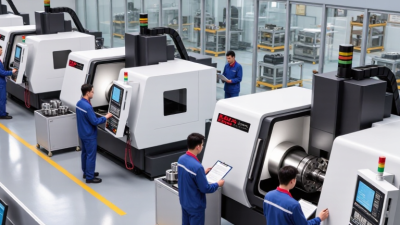
When buying machinery across borders, inspect the supplier’s quality control before discussing price. Request production photos, inspection records, and a live video demonstration. Ask how operators check dimensions, noise, vibration, and safety functions. A useful detail is the calibration record for measuring tools. It should show dates, equipment numbers, and responsible technicians.

Do not rely on a polished sample alone. Ask whether the displayed machine matches the final configuration. Confirm the motor rating, materials, software version, and included accessories in writing. I have seen purchasing teams overlook small differences, especially between demonstration units and export units. That mistake can become expensive. An independent pre-shipment inspection may reveal loose wiring, damaged packaging, or missing parts.

Warranty terms need more than a stated number of months. Check when coverage begins, which components are included, and who pays shipping and labor. Clarify exclusions for wear parts, incorrect installation, and voltage differences. Ask for a written response-time commitment. After-sales support should include manuals, remote troubleshooting, spare-parts availability, and technician training. Test the support process before payment by sending three practical questions. Slow or vague replies are meaningful evidence. A supplier may promise twenty-four-hour assistance, yet provide no named contact or escalation process. That gap deserves careful discussion. Keep every promise in the contract, not only in email or conversation.

Plan Shipping, Customs Clearance, Installation, and Staff Training

10 Machinery and Equipment Buying Tips for Global Buyers

Plan Shipping, Customs Clearance, Installation, and Staff Training

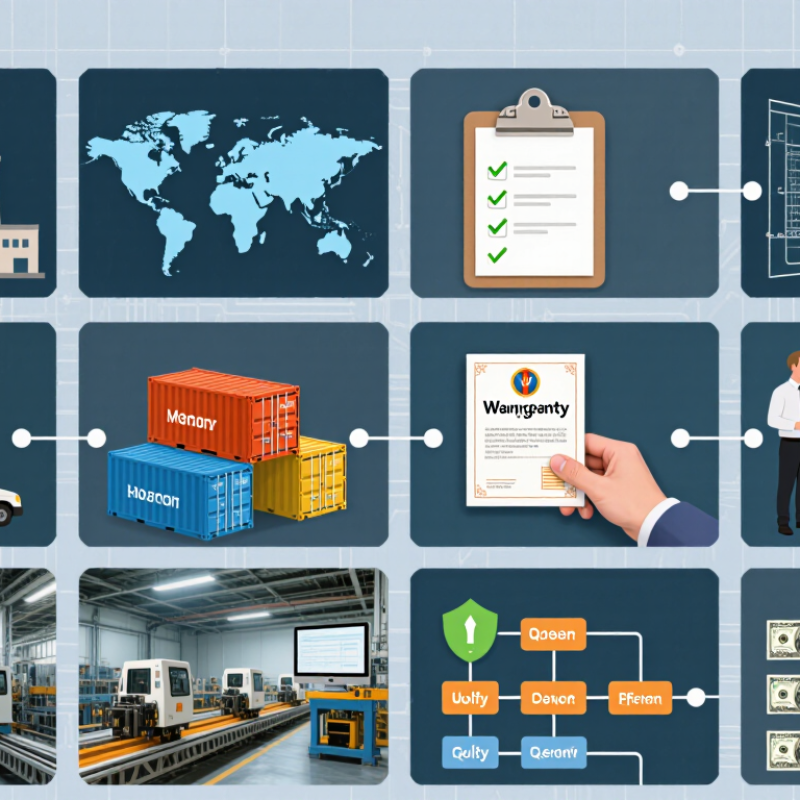
A machine purchase is not complete when the invoice is paid. Shipping plans should match the equipment’s dimensions, weight, lifting points, and destination access. Ask for a packing list with crate measurements, gross weight, and center-of-gravity details. Confirm whether the delivery site can receive oversized cargo. A narrow gate can delay an entire project.

Customs preparation deserves careful attention. Request the correct HS code, commercial invoice, certificate of origin, and technical specifications before dispatch. Check import permits, electrical standards, labeling rules, and local taxes with a qualified customs professional. Do not rely on an estimated duty rate. Small classification errors can create expensive delays.

Installation planning should begin before the machine leaves the factory. Share floor drawings, power requirements, ventilation needs, and foundation details with the supplier. Arrange certified technicians when alignment or commissioning requires specialist knowledge. Staff training should include operation, cleaning, emergency procedures, and routine inspections. Use translated manuals where necessary. Record attendance and practical assessments.

I once underestimated the time needed for operator training. The equipment arrived on schedule, but production started late. That mistake still matters. Build extra time into the plan, and confirm every responsibility in writing. Also, keep spare parts available for early maintenance. They may prevent a minor issue from becoming another shipment.