



What Is the Best Surplus Machinery from China?
Choosing the best surplus machinery from China requires more than comparing prices online. The right choice depends on machine condition, application, documentation, and after-sales support. A low-cost lathe may look attractive, yet worn guideways can quickly erase the savings. Small details matter. Check the serial plate, control system, lubrication points, and maintenance history.
Harry C. Moser, a manufacturing competitiveness expert, has said, “The lowest price is rarely the lowest cost.” That principle fits surplus machinery especially well. A reliable machine should match your production volume, material type, tolerance requirements, and available technical skills. Inspect photographs carefully. Look for oil leaks, damaged cables, rust near precision surfaces, and inconsistent paint around repaired areas. Ask for a live running video, not only polished showroom images. Request test-cut results when possible.
The best surplus machinery from China may come from a trusted exporter, a factory liquidation, or a professionally refurbished supplier. Each source carries different risks. Refurbished equipment can offer cleaner controls and better documentation, but its quality varies. Used machinery may be cheaper, yet hidden wear remains possible. No ranking is perfect. I would not choose purely by brand, age, or appearance. I would compare measurable evidence, including spindle noise, positioning accuracy, power requirements, spare-parts access, and warranty terms. Compliance requirements also differ by destination, so buyers should confirm applicable safety and electrical standards before shipment. A careful inspection can feel slow. It is usually faster than correcting an expensive mistake.
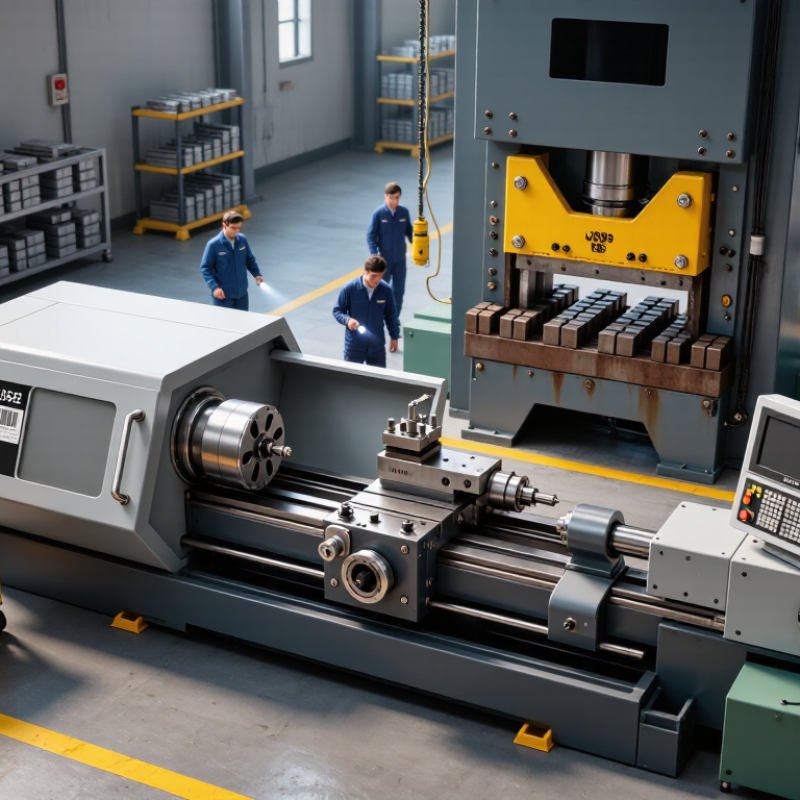
What Counts as Surplus Machinery in China?
What Is the Best Surplus Machinery from China?
What Counts as Surplus Machinery in China?
In China, surplus machinery usually means usable equipment no longer needed by its original owner. It may come from factory relocation, cancelled projects, excess production, or warehouse overstock. Some units are nearly new. Others have operated for years but remain functional. Age alone does not define surplus. That distinction matters.
A machine can look clean while hiding worn bearings, unstable wiring, or inaccurate controls. Experienced buyers inspect operating hours, maintenance records, safety guards, and recent test videos. They should also compare the machine’s output with the required production target. A low price is not proof of value. The best surplus equipment is suitable, documented, and repairable.
Surplus can include demonstration units, returned equipment, refurbished machinery, and production lines sold after business changes. It does not automatically mean damaged or obsolete equipment. However, records may be incomplete, and sellers may describe condition too generously. That is where careful verification becomes essential. Ask for serial details, inspection dates, power requirements, manuals, and export documents. Independent technical inspection is useful when the equipment is expensive or difficult to install. I have found that buyers often focus too much on visible appearance. Function matters more. Even a small voltage mismatch can delay installation.
| Machinery Category | What Counts as Surplus | Typical Age or Status | Common Condition | Typical Resale Value Compared with Comparable New Equipment | Why It Can Be a Good Choice | Key Inspection Points |
|---|---|---|---|---|---|---|
| CNC Machining Centers | Idle production equipment, cancelled orders, factory relocation stock, or lightly used machines from an overcapacity plant. | Approximately 2–10 years old; some units may be unused but stored for an extended period. | Used Idle Refurbished | About 35%–75%, depending on control system, operating hours, accuracy, and maintenance history. | Strong demand, broad application in metalworking, and relatively easy comparison through technical specifications. | Spindle noise, positioning accuracy, backlash, tool changer operation, controller condition, lubrication system, and electrical documentation. |
| CNC Turning Machines | Previously installed lathes released because of production changes, workshop closure, or capacity reduction. | Approximately 3–12 years old; operating hours are more important than calendar age. | Used Excess Stock | About 30%–70% of the price of comparable new equipment. | Suitable for repeat production and general precision turning when the machine geometry remains within tolerance. | Chuck and spindle runout, turret indexing, guideway wear, hydraulic leaks, axis repeatability, and availability of manuals. |
| Plastic Injection Molding Machines | Surplus capacity from a plastics factory, project cancellations, model changes, or machines held as backup equipment. | Approximately 2–10 years old; unused warehouse units may also be available. | Used Unused Stock Refurbished | About 40%–80% of comparable new equipment, depending on clamping force, injection unit, and control condition. | Useful for packaging, household products, automotive components, and general plastic parts production. | Clamping parallelism, injection pressure, hydraulic or servo system, barrel and screw wear, mold compatibility, and cycle stability. |
| Industrial Air Compressors | Overstock, replacement units removed from service, or equipment from a plant that reduced compressed-air demand. | Approximately 1–8 years old; both unused and used units are common. | Unused Stock Used | About 35%–75% of the price of comparable new equipment. | Often available in standard capacities and can provide quick replacement for general factory utilities. | Operating hours, oil carryover, discharge pressure, air leakage, motor insulation, receiver certification, filters, and service records. |
| Diesel Generators | Standby units from construction projects, cancelled infrastructure orders, emergency-power inventories, or facility upgrades. | Approximately 1–10 years old; low-hour standby units can retain considerable value. | Low-Hour Used Overstock | About 30%–70% of comparable new equipment. | Can offer fast power availability where local electrical supply is unreliable or temporary power is required. | Load-bank test, engine hours, starting system, alternator insulation, fuel system, cooling system, emissions requirements, and control-panel functions. |
| Forklifts and Warehouse Equipment | Fleet replacements, warehouse closures, rental-fleet disposals, or equipment that is operational but no longer required. | Approximately 2–10 years old; battery age and usage intensity are critical. | Used Fleet Surplus Reconditioned | About 25%–65% of comparable new equipment. | Lower acquisition cost and broad availability for material handling, storage, and distribution operations. | Lift-chain wear, mast condition, hydraulic leaks, braking, steering, tire wear, battery capacity, charger compatibility, and safety devices. |
| Construction Excavators and Loaders | Equipment released after project completion, contractor fleet renewal, or machinery purchased for a project that ended early. | Approximately 3–12 years old; working hours and maintenance quality strongly affect value. | Used Project Surplus | About 30%–65% of comparable new equipment. | Suitable for earthmoving and site work when structural components and hydraulic systems are in sound condition. | Hydraulic pressure, boom and arm cracks, swing bearing play, undercarriage wear, engine smoke, travel motors, and service history. |
| Textile and Garment Machinery | Excess capacity from factory consolidation, discontinued product lines, export-order cancellations, or workshop relocation. | Approximately 2–12 years old; unused machines may remain in original packaging. | Unused Stock Used Refurbished | About 25%–70% of comparable new equipment. | Can support spinning, knitting, weaving, cutting, sewing, or finishing operations at a lower entry cost. | Electrical controls, feed mechanisms, stitch or pattern accuracy, moving-part wear, software compatibility, spare parts, and installation requirements. |
| Food and Packaging Machinery | Machines from cancelled projects, product-line changes, seasonal overcapacity, or facilities that no longer meet production plans. | Approximately 1–8 years old; unused equipment may still require compliance upgrades. | Unused Stock Used Project Surplus | About 35%–75% of comparable new equipment. | Useful for filling, sealing, labeling, wrapping, and basic processing where format changes are limited. | Food-contact materials, cleanability, seals and gaskets, control-system function, format parts, electrical safety, and destination-country compliance. |
| Practical definition: In China, surplus machinery generally means usable equipment that is no longer required by the original owner, including unused excess inventory, cancelled-order equipment, idle factory assets, project leftovers, used machinery, and refurbished machines. Resale percentages are broad market guidance rather than fixed quotations; actual value depends on condition, specifications, operating hours, documentation, inspection results, logistics, taxes, and import regulations. | ||||||
Related Posts
-
China Best Surplus Machinery Suppliers for Global Buyers
-
How to Buy Second Hand Industrial Equipment from China?
-
Where to Buy Second Hand Industrial Equipment in 2026?
-
Why Buy Second Hand Industrial Equipment?
-

2026 Top Trends in Industrial Machinery Innovation and Technology?
-

Top 10 Plant Machinery Types You Need to Know for Your Business