
...

Where to Buy Second Hand Industrial Equipment in 2026?

Buying second hand industrial equipment in 2026 can reduce upfront costs and keep useful machinery in service. But the seller matters as much as the price. A polished listing cannot show a worn spindle, missing service records, or a control system nearing obsolescence. Buyers should compare specialist used-equipment dealers, industrial auction platforms, manufacturer-approved resale programs, and machinery released from rental fleets. Each channel offers different levels of inspection, documentation, and after-sale support.

The case for extending equipment life also fits a wider resource-efficiency trend. The United Nations Environment Programme’s Global Resources Outlook 2024 projects that global resource extraction could rise by 60% by 2060, compared with 2020 levels. This is not a forecast for the used-machinery market. It does, however, underline why keeping productive assets in use deserves attention. Details matter. Before committing, request maintenance logs, verify machine specifications against the actual unit, and arrange an independent inspection or load test where practical. Ask about spare parts, installation, and transport costs too; these can change the apparent bargain. Not every low-price machine is a good buy. This guide explores where to find second hand industrial equipment in 2026 and how to assess sellers with care. Some records may be incomplete, and that deserves a pause, not a guess.
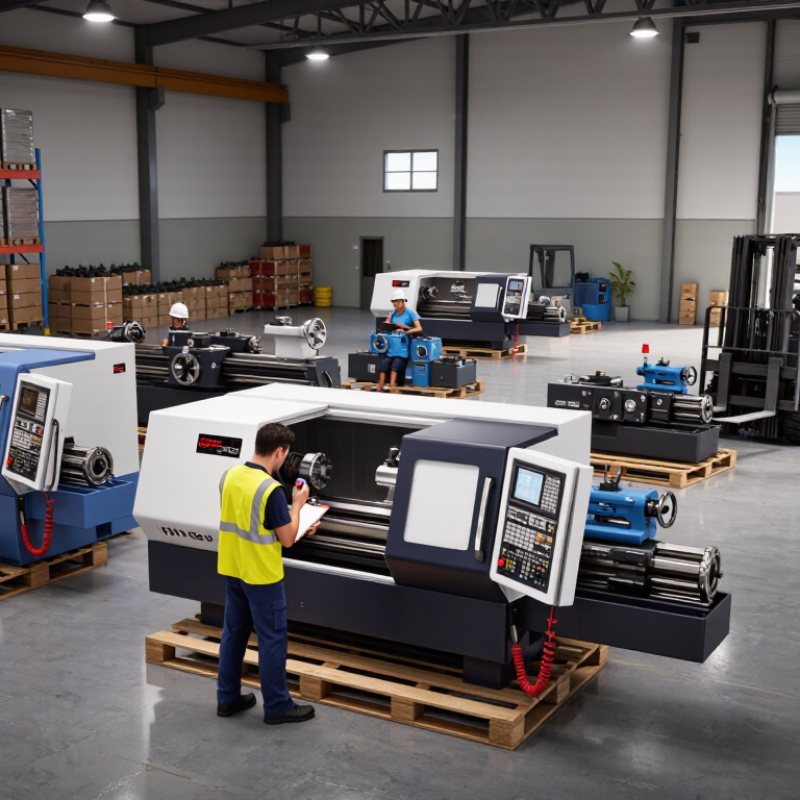
Where to Buy Second Hand Industrial Equipment in 2026?

How the Second-Hand Industrial Equipment Market Works in 2026

Where to Buy Second Hand Industrial Equipment in 2026?
How the Second-Hand Industrial Equipment Market Works in 2026

In 2026, the second-hand market is not one neat marketplace. Buyers source equipment through specialist dealers, industrial auctions, online listings, and direct plant sales. Each route prices risk differently. Auction prices may look low, but inspection, dismantling, freight, and recommissioning can erase the discount. Not always.

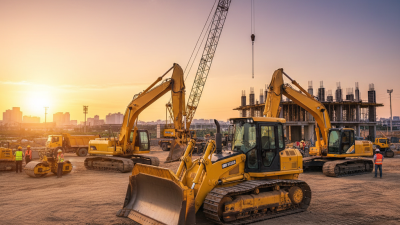
Fortune Business Insights’ used construction equipment market report estimated a global market value of USD 109.8 billion in 2023, forecasting USD 147.7 billion by 2032. This is an adjacent-market indicator, not a measure of every factory machine. Buyers compare age, operating hours, maintenance records, and parts availability. A polished listing proves little. Request serial-plate photos, service logs, a live run test, and written disclosure of known faults.

A practical quote should separate the machine price from loading, transport, installation, and calibration. Check voltage, controls, guarding, tooling, and local technician support. For older machines, parts lead times can matter more than the purchase price. I would not treat a spreadsheet estimate as certainty; condition can change after delivery. Compare total delivered cost with a new unit’s warranty and likely downtime.

Where to Buy Second-Hand Industrial Equipment in 2026

Compare common sourcing routes by the suggested due-diligence checks to complete before purchase.

Buyers commonly source used equipment through specialist dealers, industrial auctions, online marketplaces, or directly from operating plants. Bars count the suggested checks in each category—not market share or a market forecast. Verify the machine’s identity and condition, review all fees and sale terms, and confirm removal and freight arrangements before committing.

Where to Find Equipment Through Specialized Dealers

Specialized dealers are often a practical place to find used industrial equipment in 2026. They focus on specific machine types, such as pumps, compressors, or packaging lines, and may understand common wear points better than a general reseller. Ask for maintenance records, operating hours, and a clear account of any repairs. A file of service notes is more useful than a polished sales description.

Request a live demonstration when possible. Watch the machine start, run, and stop; listen for unusual vibration, and check for leaks or uneven movement. Ask whether inspection findings, electrical requirements, and included parts are documented in writing. Photos help, but they cannot show everything. Ask for proof.

A reputable dealer should explain what was tested and what remains uncertain. A dealer’s report is useful, not infallible, so consider an independent inspection for high-value equipment. Confirm how loading, transport, installation, and any limited warranty are handled before paying a deposit. Small details matter: a missing guard or incompatible control panel can delay a project. Used equipment can be a strong value, but only when its condition fits the job and the cost of bringing it into service.

How Industrial Auctions and Liquidation Sales Operate

Industrial auctions and liquidation sales can offer access to used machinery at prices below new-equipment costs. The process is usually straightforward, but the details deserve close attention. A seller lists assets with descriptions, photographs, and sale terms. Buyers register, review the catalog, and may place bids online or attend an on-site auction. In a liquidation sale, equipment may be sold individually or in lots as a facility closes or reduces operations.

Inspect machines before bidding whenever access is available. Check operating hours, visible wear, maintenance records, and whether accessories are included. A machine photographed cleanly may still have corrosion beneath a cover or missing electrical components. Look closely. Ask who is responsible for disconnection, loading, and transport. These costs can change the real purchase price. Read payment deadlines and removal windows carefully; storage space and rigging crews may need booking in advance.

Many auction purchases are sold “as is,” with limited opportunity for returns. That makes a written inspection checklist useful, even for experienced buyers. Confirm the model, serial details, power requirements, and compatibility with your existing line. Keep a contingency for repairs. No inspection removes every uncertainty, and I would not treat a low winning bid as proof of a good deal. When records are incomplete, pause and price the risk rather than guessing.

What Online Marketplaces Offer Buyers

Online marketplaces offer several practical routes for finding second-hand industrial equipment in 2026. Auction platforms often list machinery from factory clearances, while classified sites connect buyers directly with equipment owners. Dealer-operated marketplaces may provide clearer specifications or inspection support, but listings still need careful review. Compare the asking price with age, operating hours, condition, and included accessories. A low price alone proves little.

Tips: Ask for close-up photos of wear points, the serial plate, and control panels. Request maintenance records and a live video showing the machine running. Confirm whether loading, transport, and installation are included. Check payment safeguards and return terms before committing.

A detailed listing should state the machine’s dimensions, power requirements, and known faults. If those details are missing, ask before arranging an inspection. Where possible, have a qualified technician assess the equipment in person. That can reveal leaks, unusual vibration, or improvised repairs that photos miss. Even careful checks cannot uncover every hidden fault, so leave room in your budget for servicing. A polished listing may still leave basic questions unanswered.

Where to Buy Second Hand Industrial Equipment in 2026? — What Online Marketplaces Offer Buyers

Marketplace Type Typical Inventory Reach and Buying Format Condition and Inspection Pricing and Potential Costs What Buyers Should Verify
Industrial auction marketplaces Used machinery, surplus equipment, complete production lines, and equipment sold in lots. Listings may be local, national, or international. Sales are commonly timed online auctions, with some offering live or webcast bidding. Condition details are generally supplied in the listing or sale documents. Inspection appointments may be available, but access and inspection periods vary. The final bid may be subject to a buyer’s premium, taxes, payment deadlines, and transport costs, depending on the sale terms. Review the auction conditions, equipment identification, included accessories, payment deadline, collection date, and responsibility for dismantling or loading.
Used-equipment dealer marketplaces Pre-owned and sometimes refurbished machinery, often organized by equipment type, age, capacity, or location. Dealer listings can serve regional or national buyers. Purchases are commonly made by contacting the seller to request a quote or negotiate terms. Listings may include photographs, specifications, operating hours, or service information. Testing, inspection, and refurbishment standards differ by seller. Prices may be listed or available on request. Financing, warranties, and delivery may be offered in some transactions; confirm availability and terms directly. Ask for the serial number, maintenance records, operating history, included tooling, written condition details, and any warranty or return terms.
B2B classified marketplaces A broad mix of used industrial machinery and components posted by businesses, brokers, and individual sellers. Listings may cover one country or multiple regions. Buyers typically contact the seller directly to arrange an inspection and complete the transaction. Listing detail varies considerably. Photos and seller descriptions may not independently verify operating condition. Prices are often fixed asking prices or open to negotiation. Shipping, taxes, and payment arrangements are usually handled separately. Verify the seller’s authority to sell, the equipment’s location and ownership, its current operating status, and the payment and collection arrangements.
Government and public-sector surplus portals Surplus machinery, workshop equipment, vehicles, and other assets released by public agencies or institutions. Listings are usually tied to the relevant jurisdiction. Sales may use online auctions or fixed-price offers, with set bidding and collection windows. Assets are commonly sold in their stated condition; inspection availability and the amount of condition information depend on the listing. Sale rules may include deposits, payment deadlines, taxes, and strict removal dates. The listing’s terms determine applicable costs. Check eligibility rules, sale conditions, inspection times, required documents, payment methods, and the deadline and procedure for removing the asset.
Plant-closure and liquidation marketplaces Machinery and production assets offered when facilities close, relocate, or dispose of equipment, sometimes as individual items or grouped lots. Online listings can attract domestic and cross-border buyers, but viewing and collection take place at the asset’s stated location. Viewing may be scheduled before a sale. Condition reports, operating demonstrations, and documentation vary by asset and sale. Equipment may be sold through an auction or negotiated sale. Rigging, disconnection, packing, and freight are often separate from the purchase price. Confirm what is included, whether equipment is disconnected, site access and safety requirements, removal deadlines, and who pays for rigging and transport.

Marketplace features and sale terms vary by listing and location. Review the specific terms of sale and arrange an independent inspection when practical before committing to a purchase.

How to Verify Equipment and Sellers Before Purchasing

Where to Buy Second Hand Industrial Equipment in 2026?

A low asking price can hide expensive wear. Before paying, match the machine’s serial plate to its service records, manuals, and ownership documents. Ask to see it running, not just freshly painted. Check for oil leaks, unusual vibration, damaged guards, and inconsistent hour-meter readings. Small details matter.

The International Federation of Robotics’ World Robotics 2024 report recorded 541,302 industrial robots installed worldwide in 2023. That figure describes new installations, not second-hand sales, but it highlights how many machines may eventually enter resale channels. For any listing, confirm the exact model and configuration with the manufacturer’s documentation. Request maintenance invoices and parts-replacement dates. Then arrange an independent inspection and a witnessed test under load. A polished video helps, but it is not proof.

Tips: Ask the seller for a cold-start video showing the serial plate and control panel. Call two recent buyers, using contact details you verify independently. Compare the quoted price with transport, rigging, repairs, and commissioning costs. If records are missing, say so plainly in your risk estimate; a clean inspection cannot reveal everything.