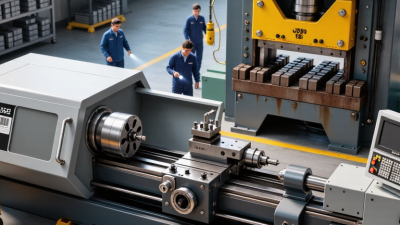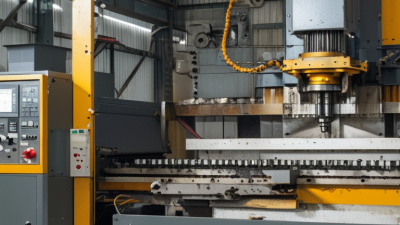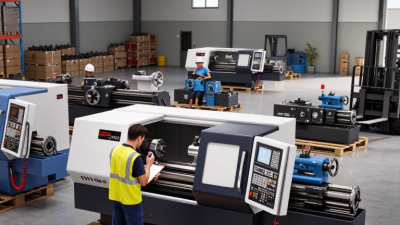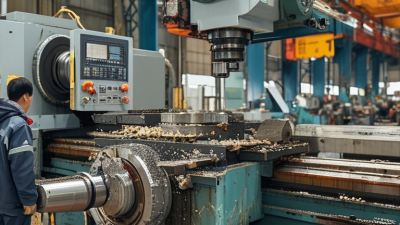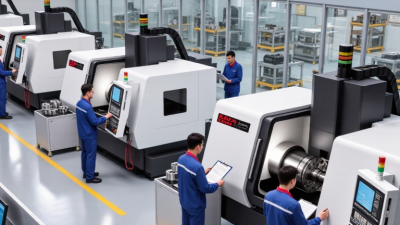

Choosing China’s best surplus machinery suppliers requires more than comparing prices on a marketplace. In practical sourcing, a low quote can hide missing manuals, worn components, or expensive inland transport. This guide examines how buyers can assess suppliers with evidence, not attractive promises. The goal is a machine that performs safely, matches production needs, and remains supportable after delivery. Details matter.
Experienced buyers usually begin with a clear equipment brief. Include the model, year, operating hours, voltage, capacity, dimensions, and intended use. Ask for serial-number photos, maintenance logs, test videos, and recent images of control panels and critical wear points. A professional supplier should explain the machine’s history and disclose known defects. If answers remain vague, pause the purchase. Trust needs proof.
Reliable evaluation also includes factory verification, independent inspection, export documentation, spare-parts availability, warranty terms, and after-sales communication. Check whether the supplier has served similar industries, not merely whether its website looks polished. A live video inspection can reveal rust beneath paint, oil leaks, unusual noise, or missing guards. It is not perfect, though. Photos may be staged, and inspection reports can become outdated. Buyers should compare several sources and record every promise in writing. This article offers a practical framework for choosing China surplus machinery suppliers with greater confidence, clearer expectations, and fewer costly surprises.
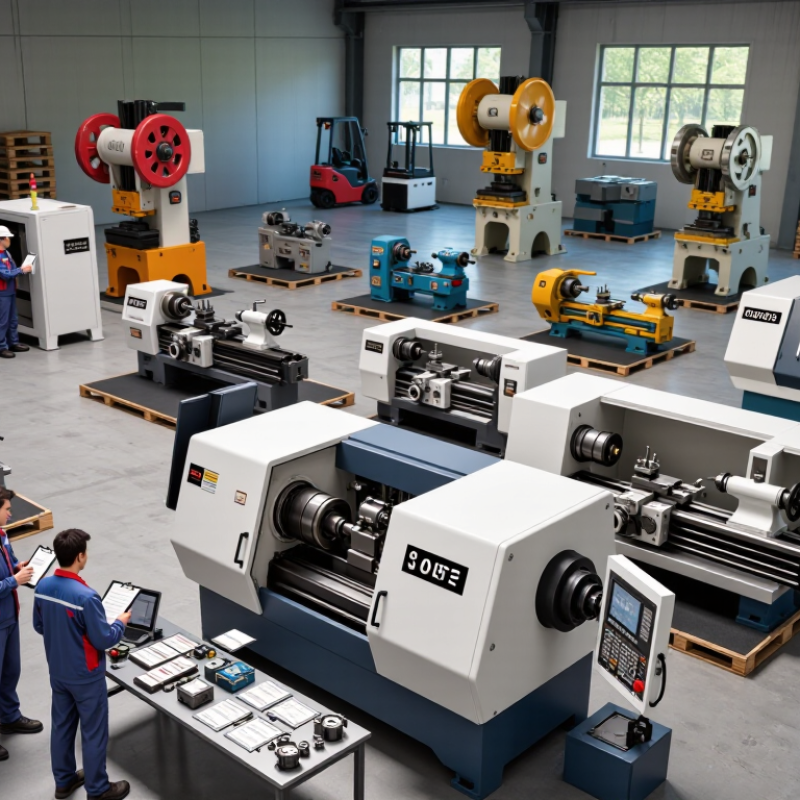
Surplus machinery suppliers sell equipment that is no longer needed by its original owner. The stock may include unused machines, cancelled-order units, factory closures, demonstration models, or previously operated equipment. A reliable supplier should explain each machine’s history clearly. Ask for serial numbers, operating hours, maintenance records, photographs, and recent test results.
The market is connected to wider industrial automation growth. The International Federation of Robotics reported 541,302 industrial robots installed worldwide in 2023, with more than four million robots operating globally. This creates a steady flow of replaced, idle, and refurbished equipment. However, “surplus” does not automatically mean “ready to run.” A machine may have clean panels but worn bearings, outdated software, or missing safety components.
Good suppliers inspect equipment before listing it. They can show videos of startup tests, electrical readings, calibration results, and load performance. They should also identify voltage, working capacity, dimensions, and spare-part availability. The International Organization for Standardization stresses documented quality processes, yet documentation is often incomplete in secondary machinery sales. That is a warning sign.
Experience matters here.
Compare at least three quotations, but do not judge by price alone. Check inspection terms, packaging, delivery responsibility, and after-sales support. I have found that a low-priced machine can become expensive after installation. Buyers should also verify local safety and import requirements before payment. Even careful sourcing can miss hidden wear, so an independent inspection remains worthwhile.
Surplus machinery can solve urgent industrial needs without the cost of new equipment. Many units come from factory upgrades, project changes, or canceled production plans. They may have limited operating hours and remain technically capable. In my experience, a well-inspected surplus machine can deliver dependable performance on a tighter budget. It can also reduce waiting time when new equipment has a long manufacturing schedule. That matters when a production line stands idle. However, lower prices should never replace careful evaluation.
A reliable supplier should provide serial details, operating history, inspection records, and clear equipment photographs. Ask about motor condition, control systems, spare parts, and previous maintenance. Check whether the machine matches your material, output target, floor space, and power supply. Compatibility is often overlooked. It can become an expensive mistake. Independent testing or an on-site inspection adds confidence before payment. A transparent supplier should explain known defects instead of hiding them. Even experienced buyers can miss small warning signs.
Tips: Request a live demonstration when possible. Compare readings from gauges and control panels. Inspect welds, bearings, cables, and safety guards closely. Confirm installation support, documentation, and after-sales communication. Keep a realistic repair allowance. Surplus machinery is not always plug-and-play. Some units need calibration or updated components. That extra work may still be worthwhile, but calculate it honestly before choosing.
Why choose surplus machinery for industrial needs? Surplus equipment can reduce upfront investment and shorten procurement time, but buyers should compare condition, compatibility, documentation, serviceability, and total ownership cost before purchasing.
The chart uses a practical 100-point procurement evaluation model. Higher scores indicate factors that generally deserve greater attention when selecting surplus industrial machinery suppliers; actual priorities should be adjusted to the equipment type and production requirements.
When choosing surplus machinery suppliers, quality should be verified, not assumed. I inspect the machine frame, wiring, bearings, hydraulic seals, and control cabinet before discussing price. Rust around mounting points may indicate long-term moisture exposure. Uneven paint can hide repairs. A clean appearance proves very little.
The ISO Survey 2022 recorded 1,265,216 ISO 9001 certificates worldwide. Certification shows that a supplier has a quality-management system, but it does not guarantee every used machine performs well. Ask for serial records, maintenance logs, operating hours, inspection videos, and recent load-test results. Measurements matter. Check spindle runout, vibration, temperature rise, positioning accuracy, and emergency-stop response against documented tolerances. I have found missing maintenance records more worrying than visible scratches.
Supplier reliability also depends on communication and delivery discipline. The World Bank Logistics Performance Index 2023 evaluates shipment reliability, tracking, customs, infrastructure, and timeliness. These factors deserve practical questions: Who packs the equipment? How is moisture controlled? Which party handles export documents? What happens if the machine arrives damaged? Request two recent customer references and compare promised lead times with actual delivery dates. A factory tour can be impressive, yet one unanswered technical question may reveal weak support. My own judgment is not perfect, so independent inspection remains valuable, especially for older machinery.
| Evaluation Dimension | What to Verify | Recommended Evidence | Suggested Weight | Acceptable Benchmark | Risk Priority |
|---|---|---|---|---|---|
| Equipment Identity and Traceability | Confirm the machine type, model, serial number, year of manufacture, configuration, and ownership history. | Clear photographs of nameplates, serial numbers, control panels, accessories, and original technical documents. | 10% | All key identifiers are visible and consistent across the quotation, inspection report, photographs, and shipping documents. | High |
| Mechanical Condition | Inspect frames, guides, bearings, shafts, gearboxes, hydraulic systems, pneumatic systems, and signs of leakage or abnormal wear. | Recent inspection checklist, close-up photos, maintenance records, and an independent pre-shipment inspection when practical. | 15% | No structural cracks, severe corrosion, uncontrolled leakage, or unexplained vibration during operation. | High |
| Electrical and Control-System Condition | Check motors, drives, PLCs, sensors, wiring, control cabinets, emergency stops, and software or parameter availability. | Power-on video, electrical test results, control-system backup, wiring diagrams, and a list of obsolete or unavailable components. | 15% | Machine starts and operates through the agreed test sequence without repeated alarms, unsafe bypasses, or undocumented modifications. | High |
| Performance Against Specification | Compare actual capacity, accuracy, speed, working range, power requirements, and supported materials with the purchase specification. | Factory acceptance test, sample-production video, measured results, and signed performance criteria. | 15% | Measured performance meets the agreed technical specification under defined operating conditions. | High |
| Safety Compliance | Review guarding, interlocks, emergency stops, warning labels, safety circuits, and the intended destination-market requirements. | Risk assessment, safety inspection report, manuals, declarations or certificates where applicable, and photographs of protective devices. | 15% | Safety functions operate correctly; any required upgrades for the importing country are identified, budgeted, and assigned. | High |
| Maintenance and Spare-Parts Support | Evaluate service history, preventive-maintenance requirements, critical spare parts, consumables, and technical support capability. | Maintenance logs, parts list, recommended service intervals, spare-parts quotations, and response-time commitments. | 10% | Critical parts have identifiable sources, and the supplier provides practical maintenance documentation and technical assistance. | Medium |
| Supplier Experience and Reliability | Assess experience with the specific machinery category, export procedures, inspection cooperation, and after-sales communication. | Verifiable business registration, transaction references without undisclosed personal data, service records, and documented project experience. | 10% | Supplier answers technical questions consistently, provides verifiable documents, and accepts reasonable inspection and contract terms. | High |
| Documentation Quality | Check whether manuals, drawings, software backups, certificates, calibration records, and installation instructions are complete and usable. | Document index, sample pages, revision dates, language availability, and a contractual document-delivery checklist. | 5% | Documents match the actual machine configuration and are supplied before installation or commissioning. | Medium |
| Inspection and Testing Process | Determine whether the equipment can be inspected under load before final payment and shipment. | Agreed inspection protocol, test video with date or identifier, independent inspection option, and acceptance criteria. | 5% | Inspection results are recorded, defects are corrected or documented, and payment milestones are linked to acceptance. | High |
| Total Cost of Ownership | Calculate purchase price, dismantling, packing, inland transport, freight, insurance, installation, training, upgrades, and spare parts. | Itemized quotation, packing dimensions, estimated utility requirements, upgrade budget, and landed-cost comparison. | 5% | All foreseeable costs are identified, and the total cost remains justified by verified condition and expected service life. | Medium |
Before purchasing surplus machinery, verify its identity, history, and operating condition. Request the serial number, manufacturing year, maintenance logs, repair invoices, and previous duty cycle. Compare the nameplate with the seller’s specifications. A clean machine can still hide worn bearings, altered controls, or missing safety guards. Ask for a cold-start video and a live load test. Better still, arrange an independent inspection before payment.
Energy performance deserves equal attention. The International Energy Agency reports that industry consumes about 37% of global final energy. Older equipment may therefore create large operating costs, even when its purchase price looks attractive. The U.S. Department of Energy also reports that compressed-air systems can waste 20% to 30% of their output through leaks. Check motor efficiency, idle power, air consumption, noise, vibration, and heat during operation. Calculate freight, installation, replacement parts, training, and expected downtime. The cheapest unit may become the expensive one.
Confirm voltage, frequency, control-system compatibility, and available technical support in your facility. Review inspection photos carefully. Rust under paint is a warning. So is a missing manual. Ask who will provide replacement components and how quickly. Some checks may feel excessive, but one overlooked relay or cracked hydraulic hose can stop production. My own judgment would remain cautious without test records; photos alone are not proof.
China Best Surplus Machinery Suppliers How To Choose?
Price comparison should begin with the machine’s real condition, not the quoted number. Ask for operating hours, maintenance records, serial details, and recent test videos. A low price may hide missing parts, worn bearings, or expensive refurbishment. Request a written breakdown covering inspection, repairs, packaging, inland transport, and shipping. Then compare equivalent machines. I once focused too heavily on the headline price. That was a mistake.
Service quality often separates a dependable supplier from a risky one. Confirm who performs the inspection and whether technical reports include measurements, not vague descriptions. Ask about spare parts, installation guidance, operator training, and response times. A clear warranty should state coverage, exclusions, and claim procedures. Test the supplier with specific questions. Slow or unclear replies can reveal future problems. Professional advice is valuable, but independent inspection remains wiser.
Delivery options deserve the same attention as equipment and service. Compare shipping routes, loading dates, packaging standards, and delivery terms in writing. Check whether the supplier can provide loading photographs, tracking documents, and export paperwork. Confirm who handles port charges and final delivery arrangements. A machine arriving late can interrupt production and erase the original savings. Build a small time buffer. Delays happen, even with careful planning. Reliable suppliers explain risks early instead of promising perfect schedules.