China Top 10 Second Hand Industrial Equipment Suppliers?
China’s used machinery market includes specialist dealers, equipment refurbishers, online marketplaces, and manufacturers selling trade-ins. This guide introduces ten suppliers associated with second hand industrial equipment, helping buyers build a practical shortlist rather than rely on a name alone. Prices aren't everything. Machine condition, service history, and access to spare parts can matter just as much.
A supplier’s website may show a clean CNC lathe or injection molding machine, but buyers should request current photos, operating videos, and a written condition report. Ask for the model, year, serial number, operating hours, and details of any repairs. Where possible, arrange an independent inspection before payment. Small details matter: worn spindle bearings, hydraulic leaks, or missing control components can change the real cost of a purchase.
This overview is intended as a starting point, not an audited ranking or a guarantee of performance. Supplier capabilities, inventory, and export support can change, so confirm each detail directly and keep written records of specifications and agreed terms. Compare inspection options, after-sales support, packing arrangements, and communication quality. No checklist catches everything. A cautious buyer may still miss something, especially when distance limits inspection. That is worth acknowledging. The strongest choice is not always the largest seller; it is the supplier whose equipment details, process, and commitments can be checked clearly.
China’s Second-Hand Industrial Equipment Market and Its Main Sectors
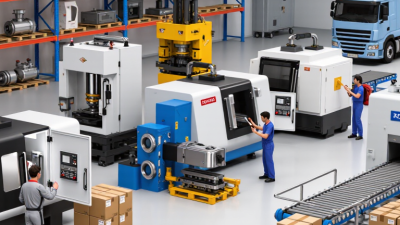
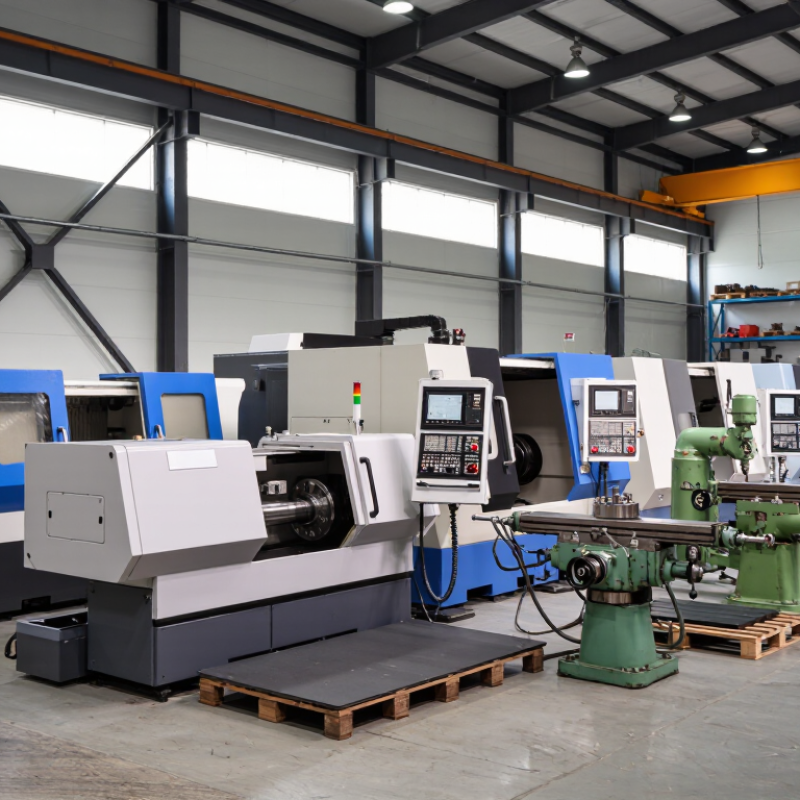
China’s second-hand industrial equipment market connects factories upgrading their production lines with buyers seeking practical, lower-cost capacity. Available machinery ranges from lathes and milling machines to air compressors, injection molding units, and material-handling systems. Condition varies widely. A machine that looks polished may still have worn bearings or outdated controls.
Demand often follows China’s major manufacturing sectors. Metalworking and automotive suppliers look for presses, cutting equipment, and machining centers. Packaging and food-processing plants may need conveyors, fillers, or sealing machines. Textile producers also trade used spinning, weaving, and finishing equipment. Construction-material manufacturers purchase crushers, mixers, and production-line components, though transport and installation can be demanding.
Buyers should match a machine’s capacity to the actual job, not just its listed specifications. Ask for operating hours, maintenance records, electrical details, and clear photos of key components. Where possible, arrange a live test under load. Small checks matter. Listen for irregular vibration, inspect hydraulic leaks, and confirm that safety guards are present. Records may be incomplete, and older equipment can require parts that are difficult to source. That risk deserves honest attention before purchase.
Types of Used Industrial Equipment Available in China
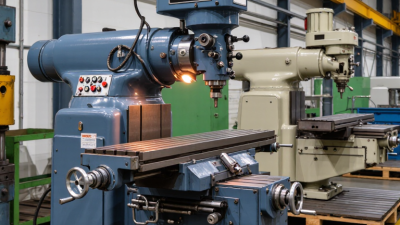
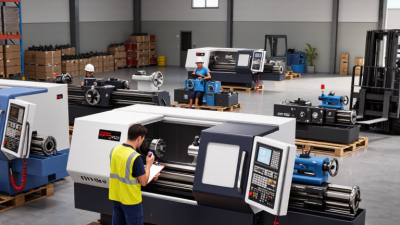
China’s used industrial equipment market covers several practical categories. Metalworking shops often find CNC machining centers, lathes, milling machines, and hydraulic presses. These machines may suit production lines that need capacity without the cost of new equipment. Check spindle noise, control response, and visible wear on guide rails.
Plastic manufacturers can source injection molding machines, extruders, and auxiliary dryers. Food and packaging facilities may need filling, sealing, or labeling equipment. Other common options include air compressors, pumps, generators, forklifts, and material-handling systems. Availability and condition vary by region and seller. A clean photograph is not proof of reliable operation. Ask for operating videos, maintenance records, and a test under load when possible. I would also compare the machine’s power requirements with the site; this detail is easy to miss.
Tips: Confirm the model, year, working hours, included parts, and service history in writing. Inspect safety guards and electrical cabinets before purchase. If testing is limited, treat the machine as higher risk and budget for repairs. Some wear is normal. Hidden wear is harder to price.
10 Common Types of Used Industrial Equipment in China
Representative motor-power examples for common equipment categories—not supplier rankings or market-share data.
The values are illustrative examples of rated motor power in kilowatts. Actual specifications vary substantially by machine size, model, configuration, and production requirements; check each machine’s nameplate and documentation before purchase.
Criteria for Assessing Second-Hand Equipment Suppliers
When comparing second-hand industrial equipment suppliers in China, judge the process, not polished photos. Ask for the machine’s year, operating hours, previous application, maintenance logs, and reason for sale. Records should match the serial plate and visible wear. Small mismatches matter. A machine with fresh paint but oil seepage around its gearbox deserves closer inspection, not an immediate rejection.
Request a live inspection or an independent technician’s report. The check should cover startup, load behavior, vibration, temperature, safety guards, and control response. Ask to see the equipment running, not just disconnected on a warehouse floor. Test it under conditions close to your production line. Not every defect appears in a short demonstration. That limitation should be stated clearly.
Compare quotations by scope: disassembly, packing, spare parts, commissioning, training, and after-sales support. Get warranty coverage and exclusions in writing, along with delivery milestones and payment triggers. Ask how replacement parts are identified and whether the manuals match the installed configuration. A low price can hide costly gaps. Paperwork alone does not prove good service; speak with previous buyers when possible and verify references directly.
Profiles of 10 Second-Hand Industrial Equipment Suppliers in China
China’s second-hand industrial equipment market includes many supplier types. These ten profiles describe common operating models, not verified company rankings. Buyers should confirm stock, inspection records, and export experience directly.
One supplier focuses on CNC machines and provides spindle checks. Another specializes in injection-molding equipment, with photos of control panels and clamping units. A third handles used compressors and tests pressure output. A fourth trades metal-cutting lines and can arrange dismantling. A fifth offers packaging machinery, often with limited installation support. A sixth supplies generators and shares load-test results. A seventh deals in forklifts and documents battery or engine condition. An eighth focuses on pumps, checking seals and flow performance. A ninth sells complete production lines, though matching every component can take time. A tenth serves smaller workshops with mixed, lower-cost machinery. A polished listing can still hide wear. Ask for recent operating videos and serial-number photos, then compare them with the inspection report.
Tips: Request a written condition checklist, clarify which parts are included, and agree on packing and shipping responsibilities. Keep a small repair budget; even a sound used machine may need adjustment after transport.
Purchasing, Inspection, and Delivery Considerations
When comparing China-based suppliers of second-hand industrial equipment, judge the machine, not the listing. The International Federation of Robotics’ World Robotics 2024 report recorded 4,281,585 industrial robots operating worldwide in 2023, up 10% from 2022. That large installed base makes clear equipment history important: request serial numbers, operating hours, maintenance logs, and any available fault records. A polished cabinet proves very little.
Arrange an independent inspection before payment. Ask the inspector to run the machine under load, check vibration and temperature, and photograph wear on guides, bearings, wiring, and control panels. For a CNC unit, verify spindle runout and test a sample program; for a press, inspect alignment and safety interlocks. Small defects can become expensive after transport. Still, a short inspection cannot predict every failure, so state its limits in the purchase agreement.
Plan delivery before the machine is dismantled. Confirm its packed dimensions, weight, lifting points, export packaging, and who handles loading, insurance, and transit damage. The World Bank’s Logistics Performance Index 2023 evaluates logistics across customs, infrastructure, and shipment reliability; these are practical risks to check with the forwarder, not assume away. Request dated packing photos and a crate checklist. One detail is easy to miss: verify that the receiving site has the right dock, rigging capacity, and electrical supply. Even careful buyers overlook something.